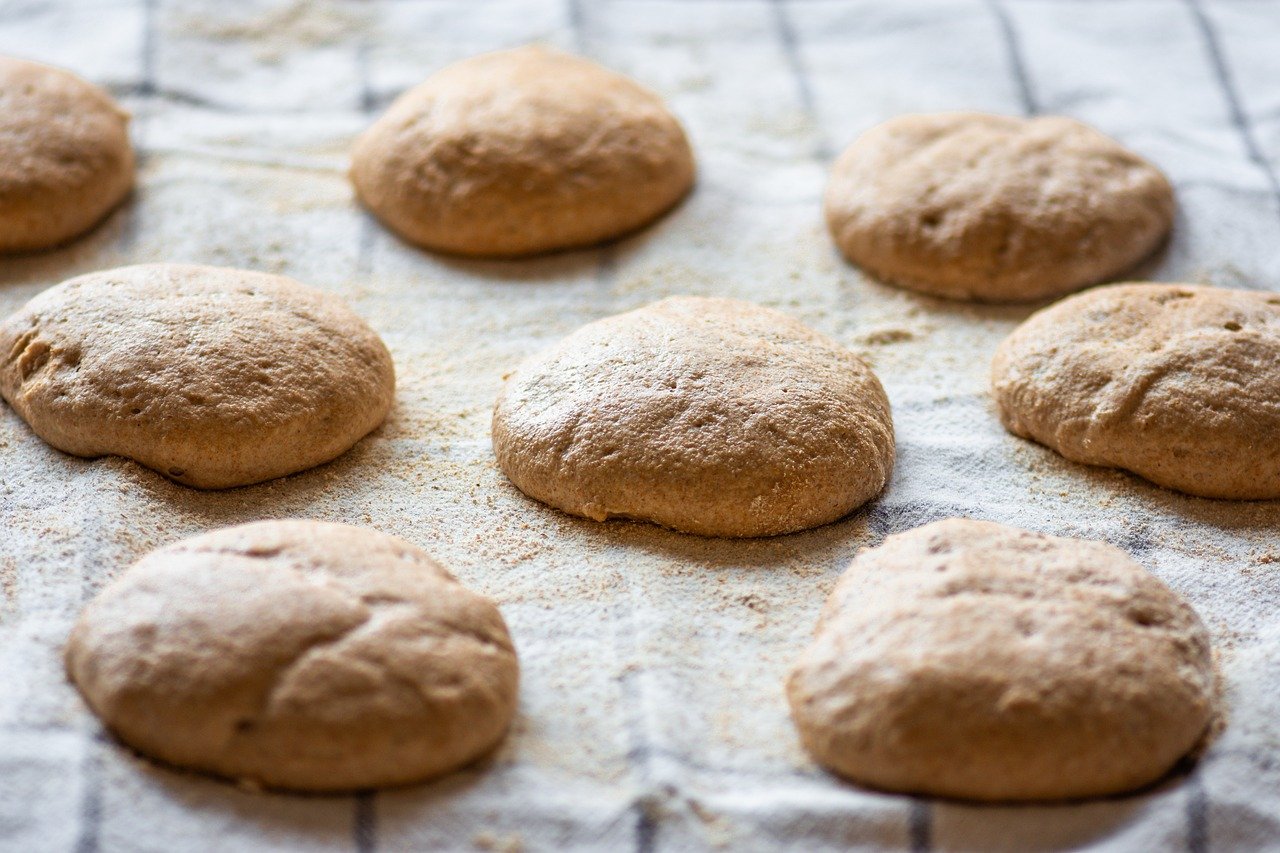
This comprehensive guide is your golden ticket to mastering the Recipe For Macaroni Grill Bread at home. Whether you’re a seasoned baker or just dipping your toes into the world of easy baking recipes, this post is designed specifically for you. We’ll walk through every step, offering all the baking tips for beginners you’ll need to achieve bakery-quality results. Get ready to impress your family and friends (and yourself!) with this incredibly satisfying homemade bread.
Gather Your Simple Ingredients
Before we dive into the delicious details, let’s make sure you have all your pantry staples ready. Fresh ingredients make all the difference, especially when it comes to yeast and flour!
| Ingredient | Quantity | Unit |
|---|---|---|
| Warm Water (105-115°F / 40-46°C) | 1 ½ | cups |
| Active Dry Yeast | 2 ¼ | teaspoons (1 packet) |
| Granulated Sugar | 1 | tablespoon |
| All-Purpose Flour | 4 – 4 ½ | cups |
| Salt | 1 ½ | teaspoons |
| Olive Oil (plus extra for brushing) | 2 | tablespoons |
| Egg Wash (1 egg + 1 tbsp water, optional) | 1 | |
| Coarse Sea Salt (for sprinkling, optional) | 1 | teaspoon |
Step-by-Step Instructions: Your Path to Perfect Bread
Follow these detailed steps carefully, and you’ll be pulling a beautiful loaf from your oven in no time!
-
Activate the Yeast: The Spark of Your Bread
In a large mixing bowl (or the bowl of your stand mixer), combine the warm water (make sure it’s between 105-115°F / 40-46°C – a thermometer is your best friend here!), granulated sugar, and active dry yeast. Stir gently. Beginner Tip: Water that’s too hot will kill the yeast, and water that’s too cold won’t activate it. If you don’t have a thermometer, aim for water that feels like a warm bath, not hot. Let this mixture sit for 5-10 minutes. You should see a foamy, frothy layer form on top – this means your yeast is alive and ready to work its magic! If it doesn’t foam, your yeast might be old or the water temperature was off; you’ll need to start again with fresh yeast.
-
Combine the Dry Ingredients
In a separate medium bowl, whisk together 4 cups of all-purpose flour and the salt. Whisking ensures the salt is evenly distributed throughout the flour, preventing pockets of overly salty or bland bread.
-
Mix the Dough: Bringing it All Together
Once your yeast is foamy, add the 2 tablespoons of olive oil to the yeast mixture. Then, gradually add the flour mixture, about a cup at a time, mixing with a wooden spoon or a dough hook on your stand mixer on low speed. Mix until a shaggy dough forms. Beginner Tip: Don’t dump all the flour in at once! Adding it gradually allows the dough to properly hydrate and prevents overworking the gluten too early.
-
Knead the Dough: Developing the Structure
This is where the magic happens for chewy bread!
- By Hand: Turn the shaggy dough out onto a lightly floured surface. Knead for 8-10 minutes. To knead, push the dough away from you with the heels of your hands, fold it back over itself, give it a quarter turn, and repeat. It will be sticky at first, but resist the urge to add too much extra flour. A bench scraper can help manage stickiness. As you knead, the dough will become smoother, more elastic, and less sticky.
- With a Stand Mixer: Attach the dough hook and knead on medium-low speed for 6-8 minutes. The dough should gather around the hook and pull away from the sides of the bowl, becoming smooth and elastic.
How to tell if you’ve kneaded enough (the windowpane test): Pinch off a small piece of dough (about the size of a golf ball). Gently stretch it between your fingers. If you can stretch it thin enough to see light through it without it tearing, your dough is perfectly kneaded! If it tears easily, keep kneading for a few more minutes.
-
First Rise (Proofing): Letting the Yeast Work
Lightly grease a clean large bowl with a little olive oil. Place the kneaded dough in the bowl, turning it once to coat the top with oil (this prevents a dry crust from forming). Cover the bowl tightly with plastic wrap or a clean kitchen towel. Place it in a warm, draft-free place for 1 to 1.5 hours, or until the dough has doubled in size. Beginner Tip: A slightly warm oven (turned off, with just the light on) or a microwave (again, turned off) can be a great warm spot for proofing. Don’t rush this step – a proper first rise is crucial for flavor and texture.
-
Shape the Loaf: Giving it Form
Once doubled, gently punch down the dough to release the air. Turn the dough out onto a lightly floured surface. Gently shape it into an oblong or rectangular loaf, similar to the shape of a ciabatta or rustic Italian bread. You can also divide it into two smaller loaves if you prefer. Gently stretch and fold the edges underneath to create tension on the top, resulting in a nice crust. Common Mistake: Don’t overwork the dough at this stage; be gentle to preserve the air pockets.
-
Second Rise: The Final Puff
Lightly grease a baking sheet or line it with parchment paper. Carefully transfer your shaped loaf (or loaves) to the prepared baking sheet. Cover loosely with plastic wrap or a kitchen towel and let it rise again in a warm, draft-free place for another 30-45 minutes, or until noticeably puffy and almost doubled in size. The “Poke Test”: Gently poke the dough with a floured finger. If the indentation springs back slowly, it’s ready. If it springs back immediately, it needs more time. If it collapses, it’s over-proofed.
-
Preheat and Prepare for Baking
About 20 minutes before the second rise is complete, preheat your oven to 400°F (200°C). If using, prepare an egg wash by whisking one egg with one tablespoon of water. This will give your bread a beautiful golden-brown, shiny crust.
-
Bake Your Masterpiece!
Once the oven is preheated and your dough has completed its second rise, gently brush the top of the loaf with the egg wash (if using) and sprinkle with a pinch of coarse sea salt (optional, but highly recommended for that authentic look and flavor!). Carefully transfer the baking sheet to the preheated oven. Bake for 25-35 minutes, or until the crust is deeply golden brown and the internal temperature of the bread reaches 200-210°F (93-99°C) when checked with an instant-read thermometer. Beginner Tip: If the top is browning too quickly, you can loosely tent it with aluminum foil for the last 10-15 minutes of baking.
-
Cool and Serve: The Best Part!
Once baked, immediately transfer the bread to a wire rack to cool completely. This prevents the bottom from becoming soggy. While it’s tempting to cut into it right away, letting it cool for at least 30-60 minutes allows the internal structure to set and the flavors to fully develop. Serve warm with your favorite herbed olive oil, just like at Macaroni Grill!
Pro Tips & Tricks for Bread Baking Success
Elevate your bread-making game with these handy insights, perfect for anyone looking to refine their skills.
- Yeast is Alive: Treat your yeast with care! Ensure your water is the right temperature (105-115°F) for optimal activation. Too hot will kill it, too cold won’t wake it up. If your yeast doesn’t foam after 5-10 minutes, it’s best to start over with fresh yeast.
- Don’t Be Afraid to Knead: Kneading develops the gluten, which gives your bread its structure and chewiness. If kneading by hand feels daunting, a stand mixer with a dough hook is a fantastic investment. The “windowpane test” is your secret weapon to know when your dough is perfectly kneaded.
- Proofing Environment Matters: For a consistent rise, find a warm, draft-free spot. A turned-off oven with just the light on, or a microwave (also off!), can create a perfect microclimate. Don’t rush the proofing process; patience here leads to a much better texture and flavor.
- Humidity is Your Friend: If your kitchen is dry, a small bowl of hot water placed in the oven (with the light on, door closed) can create a humid environment for proofing, preventing the dough from drying out.
- Invest in a Thermometer: Both an instant-read thermometer for water temperature and an oven thermometer to ensure your oven is truly at the temperature it says it is, are invaluable tools for consistent baking results.
- Storage: Store cooled bread in an airtight container or a bread box at room temperature for up to 3-4 days. For longer storage, slice the cooled bread and freeze it in a freezer-safe bag for up to 2-3 months. Thaw and toast as needed!
- Flavor Boost: For an extra layer of flavor, brush the baked bread with a little melted butter or olive oil infused with garlic and herbs (like dried oregano or basil) right after it comes out of the oven.
Essential Baking Tools for Your Kitchen
Having the right tools makes all the difference, especially when you’re starting out. Here are a few essentials:
- Mixing Bowl
- Whisk
- Baking Pan (or baking sheet)
- Measuring Cups & Spoons
- Spatula (or dough scraper)
- Instant-Read Thermometer (for water and bread)
- Kitchen Scale (for precise flour measurement, optional but recommended)
Nutrition Information (per serving, estimated)
Please note: This is an estimated nutritional breakdown for one slice of the Macaroni Grill-style bread and can vary based on exact ingredients and serving size.
| Nutrient | Amount |
|---|---|
| Calories | 180 kcal |
| Carbohydrates | 35g |
| Protein | 6g |
| Fat | 2.5g |
| Fiber | 1.5g |
| Sugar | 1g |
Frequently Asked Questions (FAQs) for Beginner Bakers
Here are some common questions beginners often have when baking bread:
- My yeast didn’t foam. What went wrong?This is usually due to the water temperature being too hot (killing the yeast) or too cold (not activating it). It could also mean your yeast is old or expired. Always check the expiration date and ensure your water is in the 105-115°F (40-46°C) range. It’s best to start over with fresh yeast and correctly tempered water.
- How do I know if I’ve kneaded the dough enough?The best indicator is the “windowpane test.” Pinch off a small piece of dough and gently stretch it. If you can stretch it thin enough to see light through it without it tearing, your dough is perfectly kneaded. If it tears easily, keep kneading for a few more minutes until it passes the test.
- Why is my bread dense and not airy?Several factors can lead to dense bread: not enough kneading (which means gluten hasn’t developed properly), not enough proofing time (the yeast didn’t have enough time to produce gas), or sometimes, over-proofing (where the gas bubbles collapse). Ensure your yeast is active, knead until elastic, and give the dough ample time to rise in a warm spot.
- Can I make this bread ahead of time?Absolutely! You can prepare the dough up to the end of the first rise. After the first rise, punch down the dough, shape it, place it on a baking sheet, cover it loosely, and refrigerate it overnight (up to 24 hours). The next day, take it out of the fridge and let it come to room temperature and complete its second rise (this might take 1.5-2 hours) before baking as directed.
- What if I don’t have a stand mixer? Can I still make this?Yes, you can! This recipe is perfectly doable by hand. Be prepared for a bit of an arm workout during the kneading process. It will take slightly longer (around 8-10 minutes of active kneading) than with a stand mixer, but the results are just as rewarding. Just remember to use a lightly floured surface and a dough scraper can be very helpful.
Your Homemade Macaroni Grill Bread Awaits!
There you have it! A comprehensive, beginner-friendly guide to making that irresistible Macaroni Grill bread right in your own kitchen. Baking bread from scratch is one of the most rewarding culinary experiences, filling your home with an incredible aroma and your belly with pure comfort. Don’t be intimidated; every step is manageable, and with a little patience, you’ll be pulling out golden, crusty loaves that rival the restaurant’s best. So, roll up your sleeves, gather your ingredients, and get ready to enjoy the satisfaction of homemade bread. We can’t wait to hear how your bread turns out! Happy baking!