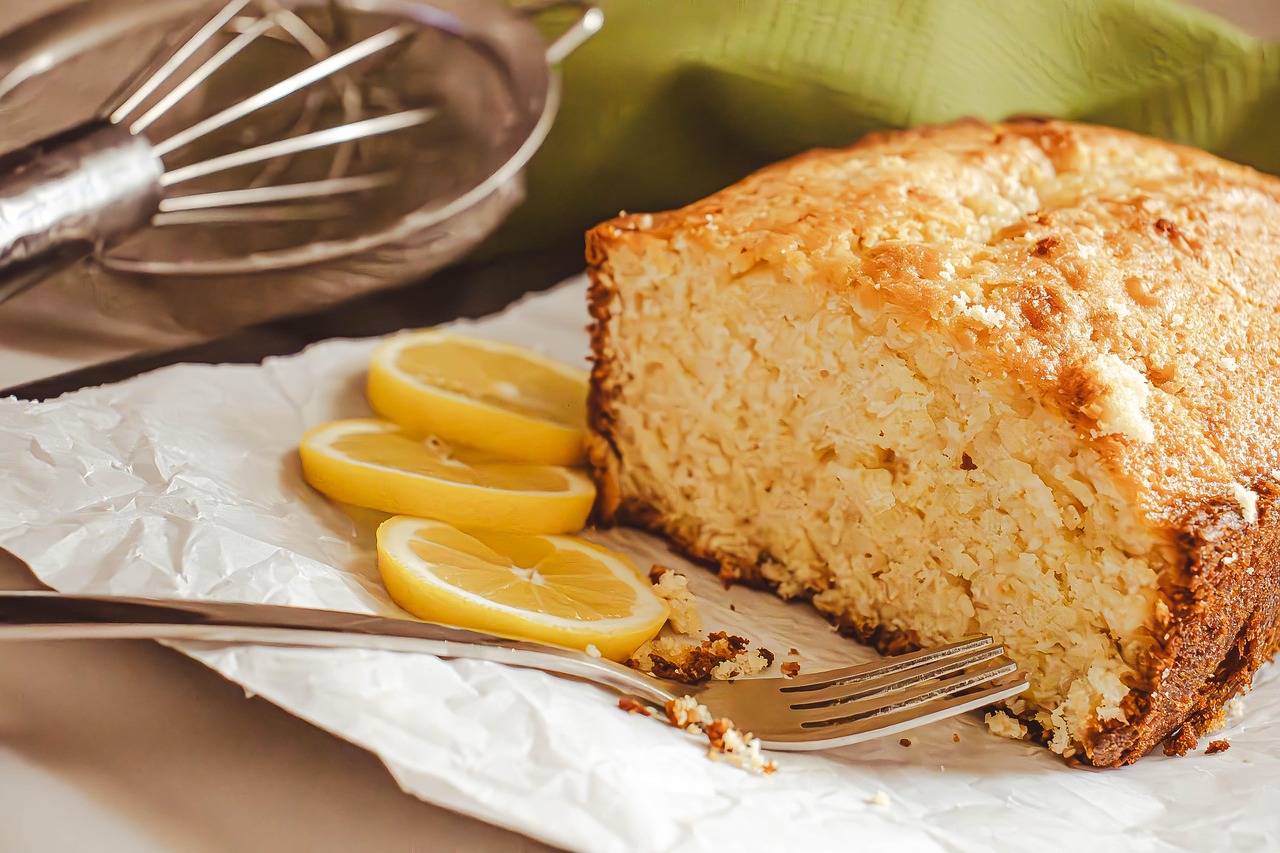
Ingredients List: Everything You’ll Need
Gathering your ingredients before you start is a crucial step for a smooth baking process. Make sure your butter and eggs are at room temperature – this makes a huge difference!
| Ingredient | Quantity | Unit |
|---|---|---|
| All-Purpose Flour | 1 ¾ | cups |
| Baking Powder | 1 ½ | teaspoons |
| Salt | ½ | teaspoon |
| Unsalted Butter (room temperature) | ¾ | cup (1 ½ sticks) |
| Granulated Sugar | 1 ½ | cups |
| Large Eggs (room temperature) | 3 | |
| Meyer Lemon Zest | 1 ½ | tablespoons (from 2-3 lemons) |
| Meyer Lemon Juice | ½ | cup |
| Whole Milk (room temperature) | ½ | cup |
| Vanilla Extract | 1 | teaspoon |
| For the Meyer Lemon Glaze: | ||
| Powdered Sugar (confectioners’ sugar) | 1 ½ | cups |
| Meyer Lemon Juice | 3-4 | tablespoons |
| Meyer Lemon Zest (optional, for garnish) | ½ | teaspoon |
Step-by-Step Instructions: Baking Your Perfect Meyer Lemon Cake
Follow these steps carefully, and you’ll have a beautifully moist and flavorful cake!
For the Cake:
- Prepare Your Pan and Oven: Preheat your oven to 350°F (175°C). Grease and flour a 9-inch round cake pan (or spray with a baking spray containing flour). You can also line the bottom with parchment paper for easier removal. This prevents sticking, a common beginner mishap!
- Whisk Dry Ingredients: In a medium bowl, whisk together the all-purpose flour, baking powder, and salt. Whisking ensures these ingredients are evenly distributed, which is important for your cake’s texture and rise. Set aside.
- Cream Butter and Sugar: In a large mixing bowl (or the bowl of a stand mixer fitted with the paddle attachment), beat the room temperature unsalted butter and granulated sugar together on medium speed until light and fluffy. This process, called “creaming,” incorporates air into the mixture, which contributes to a light and tender cake. Scrape down the sides of the bowl often!
- Add Eggs and Lemon Zest: Add the large eggs one at a time, beating well after each addition. Make sure each egg is fully incorporated before adding the next. Then, stir in the Meyer lemon zest. The zest contains all the aromatic oils, so don’t skip this!
- Combine Wet Ingredients: In a separate small bowl or measuring cup, whisk together the Meyer lemon juice, whole milk, and vanilla extract. Having your wet ingredients ready prevents you from overmixing the batter later.
- Alternate Wet and Dry: With the mixer on low speed, add about one-third of the dry ingredients to the butter mixture, mixing just until combined. Then, add half of the wet ingredients, mixing until just blended. Repeat with another third of the dry, the remaining wet, and finish with the last third of the dry ingredients. Important: Do not overmix! Overmixing develops the gluten in the flour too much, leading to a tough, dry cake. Mix only until no streaks of flour remain.
- Pour and Bake: Pour the cake batter into your prepared 9-inch round cake pan, smoothing the top with a spatula. Bake for 30-35 minutes, or until a wooden skewer or toothpick inserted into the center comes out clean. If your cake browns too quickly, you can loosely tent it with aluminum foil for the last 10-15 minutes.
- Cool the Cake: Once baked, remove the cake from the oven and let it cool in the pan on a wire rack for 10-15 minutes. This allows the cake to set and prevents it from breaking when you remove it. After 10-15 minutes, carefully invert the cake onto the wire rack to cool completely. The cake must be completely cool before glazing, otherwise, the glaze will melt right off!
For the Meyer Lemon Glaze:
- Prepare the Glaze: In a medium bowl, whisk together the powdered sugar and Meyer lemon juice. Start with 3 tablespoons of juice and add more, half a teaspoon at a time, until you reach a smooth, pourable, but not too thin, consistency. If it’s too thick, add a tiny bit more juice; if too thin, add a little more powdered sugar.
- Glaze the Cake: Once the cake is completely cool, place the wire rack with the cake over a baking sheet (to catch any drips). Pour the glaze evenly over the top of the cake, letting it drip down the sides. You can use a spoon or offset spatula to gently guide the glaze.
- Set and Serve: Let the glaze set for about 15-20 minutes before slicing and serving. Optionally, sprinkle with a little extra Meyer lemon zest for a beautiful finish.
Tips & Tricks for Baking Success (Especially for Beginners!)
Baking is a science, but with a few simple tricks, you’ll be baking like a pro in no time!
- Room Temperature Ingredients are Key: This is probably the most important tip! Room temperature butter creams smoothly with sugar, incorporating air for a light texture. Cold eggs won’t emulsify properly with the butter and sugar, leading to a curdled batter and a denser cake. Plan ahead and take them out of the fridge at least 30-60 minutes before you start.
- Measure Accurately: Use proper measuring cups and spoons. For flour, spoon it into your measuring cup and then level it off with a straight edge (like the back of a knife). Don’t scoop directly from the bag, as this compacts the flour and you’ll end up with too much, leading to a dry cake.
- Don’t Overmix: Once you add the flour, mix only until just combined. Overmixing develops the gluten in the flour, which can make your cake tough and chewy instead of tender and moist. A few lumps are okay!
- Know Your Oven: Ovens can vary widely in temperature. If you find your cakes consistently bake faster or slower than recipe times, consider getting an oven thermometer. Also, avoid opening the oven door too frequently, especially in the first 20 minutes, as this can cause the cake to sink.
- Zest First, Then Juice: Always zest your Meyer lemons before you cut and juice them. It’s much easier to get all that fragrant zest from a whole lemon.
- Patience is a Virtue: Resist the urge to remove the cake from the pan or glaze it before it’s completely cooled. Rushing these steps can result in a broken cake or a melted, messy glaze.
Essential Baking Tools
Having the right tools makes all the difference! Here are some basics you’ll want to have on hand:
- Mixing Bowls (various sizes)
- Whisk
- 9-inch Round Baking Pan
- Measuring Cups and Spoons
- Rubber Spatula
- Electric Mixer (handheld or stand mixer)
- Wire Rack
- Grater/Zester
- Citrus Juicer
Nutrition Info (Estimated per serving)
Please note that these values are estimates and can vary based on specific ingredients and serving sizes.
| Nutrient | Amount (per serving) |
|---|---|
| Calories | 380 kcal |
| Carbohydrates | 58 g |
| Protein | 4 g |
| Fat | 16 g |
| Fiber | 1 g |
| Sugar | 42 g |
FAQs: Your Beginner Baking Questions Answered!
- Q: Can I use regular lemons instead of Meyer lemons?
A: Yes, you can! However, regular lemons are more acidic and less sweet. You might want to slightly reduce the lemon juice in the cake and glaze, or increase the sugar in the glaze to balance the tartness. The flavor will be slightly different, but still delicious! - Q: Why do my ingredients need to be at room temperature?
A: Room temperature butter and eggs create an emulsion more easily, trapping air bubbles that give your cake a light and fluffy texture. Cold ingredients can cause the batter to curdle and result in a denser cake. - Q: How can I prevent my cake from being dry?
A: The most common culprits for dry cake are overmixing the batter (developing too much gluten) or overbaking. Stick to the mixing instructions, and always test for doneness with a skewer – remove the cake as soon as it comes out clean, don’t wait for it to be “extra done.” - Q: How should I store the Meyer Lemon Cake?
A: Store the cake covered at room temperature for up to 2-3 days, or in the refrigerator for up to 5 days. If refrigerating, let it come to room temperature for about 30 minutes before serving for the best flavor and texture. - Q: Can I make this cake ahead of time?
A: Absolutely! The cake can be baked a day in advance. Once completely cooled, wrap it tightly in plastic wrap (before glazing) and store at room temperature. Glaze it on the day you plan to serve. - Q: My glaze is too thick/thin. What should I do?
A: If your glaze is too thick, add more Meyer lemon juice, a tiny bit at a time (1/4 teaspoon), until it reaches the desired consistency. If it’s too thin, sift in a little more powdered sugar, again, a small amount at a time, until it thickens.
Conclusion: Your Delicious Meyer Lemon Cake Awaits!
Congratulations, budding baker! You’ve just mastered the art of making a stunning and flavorful Recipe For Meyer Lemon Cake. This cake is not just a dessert; it’s a testament to your newfound baking skills and a delightful treat that brings joy to every bite. The bright, delicate flavor of Meyer lemons truly shines through, making it a perfect dessert for any occasion, or simply a sweet pick-me-up on a cloudy day.
Don’t be afraid to experiment with your own twists next time, perhaps adding some poppy seeds or a different citrus zest. Remember, every baking journey starts with a single step, and you’ve just taken a magnificent one. Enjoy the fruits of your labor, share with loved ones, and keep baking! We’d love to hear about your baking adventures in the comments below!