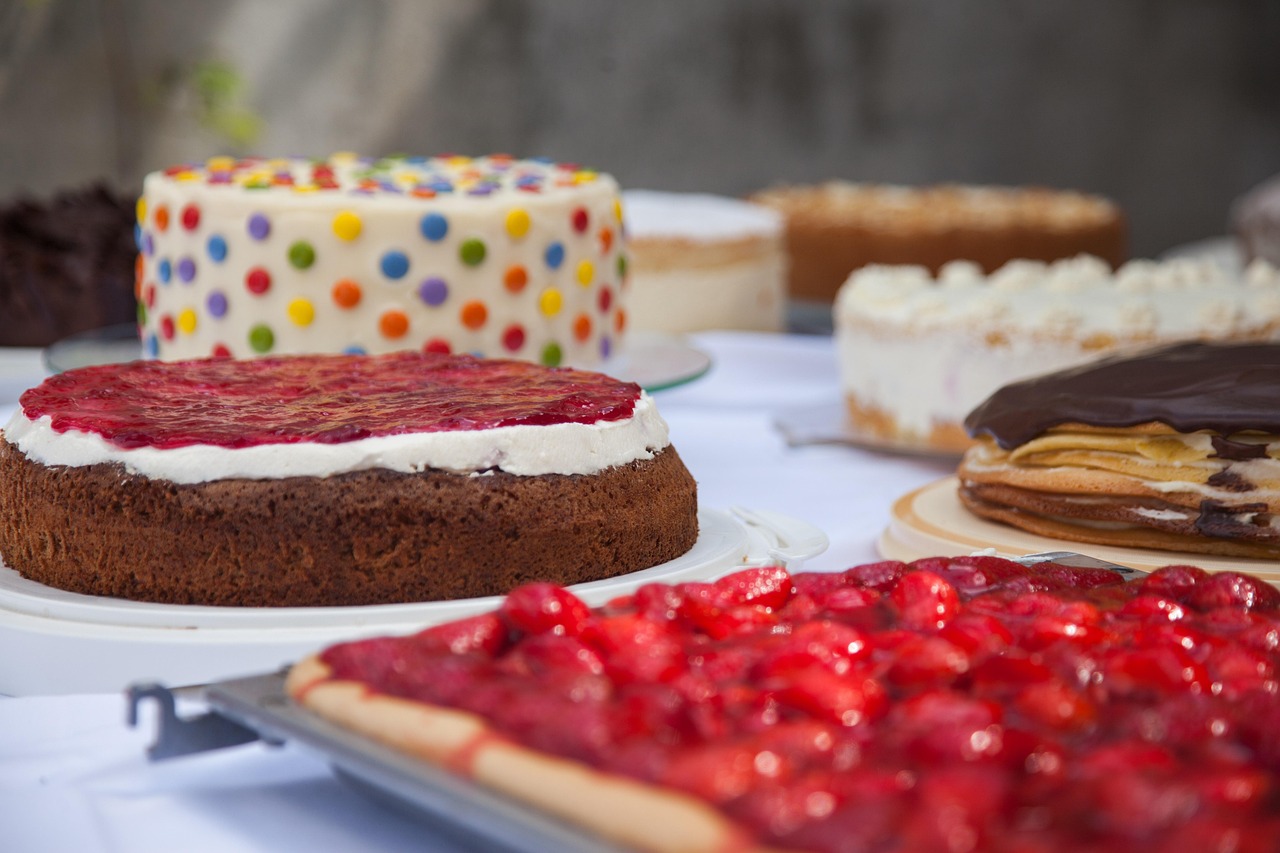
We’ll walk you through every single step, offering all the essential baking tips for beginners to ensure your glaze turns out perfectly smooth and glossy every time. Imagine a glistening, golden glaze with the bright taste of pineapple cascading over your favorite pound cake, bundt cake, or even cupcakes. It’s quick, requires minimal ingredients, and delivers maximum flavor. Let’s get started on this delicious journey!
Ingredients You’ll Need
Gather your ingredients! For the best results, ensure you have everything measured out before you begin. This helps prevent mistakes and makes the process smoother.
| Ingredient | Quantity |
|---|---|
| Canned Pineapple Juice (unsweetened or light syrup) | 1 cup (240ml) |
| Powdered Sugar (Confectioners’ Sugar) | 2 cups (240g) |
| Unsalted Butter (optional, for richness and shine) | 1 tablespoon (15g) |
| Vanilla Extract (optional, for added depth) | ½ teaspoon |
Step-by-Step Instructions: Glaze Perfection Awaits!
Follow these detailed steps, and you’ll have a beautiful, flavorful pineapple glaze in no time. Don’t rush, and remember, practice makes perfect!
Step 1: Gather and Prepare Your Workspace
- Before you even touch an ingredient, make sure your kitchen counter is clean and clear.
- Measure everything out! Use your measuring cups and spoons to get exact quantities of pineapple juice, powdered sugar, butter (if using), and vanilla extract. This pre-measurement, often called “mise en place,” is a golden rule in baking for beginners and pros alike.
- Have a medium saucepan and a whisk ready.
Step 2: Start Combining the Main Ingredients
- Pour the 1 cup of pineapple juice into your medium saucepan.
- Gradually add the 2 cups of powdered sugar to the saucepan. Don’t dump it all in at once! Adding it slowly while stirring helps prevent lumps from forming.
- Beginner Tip: For an extra smooth glaze, consider sifting your powdered sugar before adding it. This breaks up any clumps that might be present in the sugar itself. Simply pass it through a fine-mesh sieve.
Step 3: Gently Heat and Whisk
- Place the saucepan over low to medium-low heat on your stove.
- Continuously whisk the mixture. The goal here is not to boil the glaze, but to gently warm it up. This warmth helps the powdered sugar dissolve completely, resulting in a super smooth, shiny glaze.
- Keep whisking for about 3-5 minutes, or until the mixture is completely smooth and no grainy sugar particles remain. You’ll notice it start to thicken slightly as it warms and the sugar dissolves.
- Common Mistake & Fix: If you notice lumps forming, remove the pan from the heat immediately and whisk vigorously. You might have added the sugar too quickly or the heat was too high. A quick strain through a fine-mesh sieve can also save a lumpy glaze!
Step 4: Add the Finishing Touches (Optional but Recommended!)
- Once your glaze is smooth and slightly thickened, remove the saucepan from the heat.
- Now, if you’re using it, stir in the 1 tablespoon of unsalted butter. The butter adds a wonderful richness and gives the glaze a beautiful, professional-looking shine. Keep stirring until the butter is fully melted and incorporated.
- Next, add the ½ teaspoon of vanilla extract (if using). Vanilla complements the pineapple flavor beautifully, adding a subtle warmth.
Step 5: Adjust Consistency (Crucial for Beginners!)
- The perfect glaze consistency is pourable but thick enough to cling to your cake. It should slowly drip off your whisk, not run like water.
- If your glaze is too thick: Add a very small amount (½ teaspoon at a time) of additional pineapple juice or water, whisking well after each addition, until you reach your desired consistency. Be patient and add slowly!
- If your glaze is too thin: Whisk in a tablespoon or two of additional sifted powdered sugar until it thickens up. Again, add gradually.
- Pro Tip for Beginners: Test the consistency on the back of a spoon. If it coats the spoon and holds, it’s likely perfect.
Step 6: Glaze Your Cake!
- Allow the glaze to cool for just a few minutes before applying it to your cake. It should still be warm to be pourable, but not piping hot.
- Crucial Baking Tip: Always apply glaze to a completely cooled cake. If your cake is warm, the glaze will melt and run right off, soaking into the cake rather than forming a lovely coating.
- Place your cooled cake on a wire rack with a baking sheet underneath to catch any drips (this makes cleanup a breeze!).
- Pour the warm glaze slowly over the top of your cake, allowing it to drip down the sides naturally. Use a spatula or the back of a spoon to gently guide it if needed.
- Let the glaze set for at least 30 minutes at room temperature before slicing and serving. This allows it to firm up and create that beautiful, glossy finish.
Tips & Tricks for a Perfect Pineapple Glaze
Mastering a glaze is all about those small details. Here are some extra pointers to help you succeed:
- Sift Your Sugar: We mentioned it, but it bears repeating! Sifting powdered sugar is your best friend for avoiding a lumpy glaze. Don’t skip this step for a silky smooth finish.
- Control the Sweetness: Using unsweetened pineapple juice gives you more control over the final sweetness. If you use juice in light syrup, you might find the glaze sweeter, which is fine, but just be aware.
- Don’t Overheat: Gentle heat is key. You’re not making candy; you’re just dissolving sugar. High heat can cause the sugar to crystallize or the glaze to become too thick too quickly.
- Flavor Variations: Want to get creative? Add a tiny splash of rum extract for a piña colada vibe, or a pinch of shredded coconut to the glaze for extra texture and flavor. A touch of finely grated lime zest can also brighten the pineapple flavor even more!
- Storage: Leftover glaze can be stored in an airtight container in the refrigerator for up to 3-4 days. You might need to gently reheat it on the stove or in the microwave (in short bursts, stirring frequently) with a tiny splash of extra pineapple juice to bring it back to a pourable consistency.
- Alternative Application: If you’re glazing a bundt cake, consider pouring about half the glaze into the pan while the cake is still slightly warm (but not hot) to let it soak in, then invert the cake and drizzle the remaining glaze over the top once fully cooled.
Essential Baking Tools for This Recipe
Having the right tools makes all the difference, especially when you’re starting out. Here are a few essentials you’ll find useful for this recipe and many other baking adventures:
- Mixing Bowl
- Whisk
- Baking Pan (for the cake you’re glazing!)
- Measuring Cups & Spoons
- Spatula (for guiding glaze and scraping bowls)
- Small Saucepan
- Fine-Mesh Sieve (optional, for sifting sugar)
- Wire Rack & Baking Sheet (for glazing cakes)
Nutrition Information (Estimated per serving)
Please note that these values are estimates and can vary based on specific ingredient brands and preparation methods. This glaze recipe yields approximately 12 servings.
| Nutrient | Amount |
|---|---|
| Calories | 85 kcal |
| Carbohydrates | 21g |
| Protein | 0g |
| Fat | 1g |
| Fiber | 0g |
| Sugar | 20g |
Frequently Asked Questions (FAQs) for Beginner Bakers
- Q1: Can I use fresh pineapple juice instead of canned?
- Absolutely! Freshly squeezed pineapple juice will give an even brighter, more intense flavor. Just make sure it’s strained well to remove any pulp, which could make your glaze less smooth.
- Q2: My glaze turned out lumpy. How can I fix it?
- Don’t worry, this is a common beginner issue! You can often fix a lumpy glaze by pressing it through a fine-mesh sieve with the back of a spoon. This will catch any undissolved sugar clumps. Next time, remember to sift your powdered sugar and whisk continuously while gently heating.
- Q3: What if my glaze is too thin or too thick?
- This is easily fixable! If it’s too thin, whisk in a tablespoon or two more of sifted powdered sugar until it reaches the desired consistency. If it’s too thick, add ½ teaspoon of pineapple juice (or water) at a time, whisking well after each addition, until it’s pourable but still coats a spoon.
- Q4: How long does the pineapple glaze take to set on the cake?
- Typically, the glaze will set to a firm, glossy finish within 30 minutes to an hour at room temperature. If your kitchen is very humid, it might take a little longer. You can speed up the process slightly by placing the glazed cake in the refrigerator for 15-20 minutes.
- Q5: Can I make this glaze dairy-free?
- Yes! The butter in this recipe is optional and primarily for richness and shine. If you omit the butter, the glaze will still be delicious and completely dairy-free. You could also use a dairy-free butter substitute if you prefer.
- Q6: What kind of cake is best for this pineapple glaze?
- This glaze is incredibly versatile! It pairs wonderfully with vanilla pound cake, yellow cake, coconut cake, or even a simple white cake. It also works beautifully on cupcakes, muffins, or quick breads to add a tropical twist.
You Did It! Enjoy Your Tropical Masterpiece!
Congratulations, budding baker! You’ve just created a stunning, flavorful pineapple glaze for cake that’s sure to impress everyone. It’s amazing what a few simple ingredients and a little patience can achieve, isn’t it? This recipe proves that easy baking recipes don’t have to compromise on taste or presentation.
Don’t be afraid to experiment with other flavors or to try this glaze on different desserts. Every baking adventure is a chance to learn and grow your skills. Keep practicing those baking tips for beginners, and soon you’ll be whipping up delicious treats like a pro. We hope you and your loved ones enjoy this bright, tangy, and sweet addition to your baking repertoire. Happy baking!