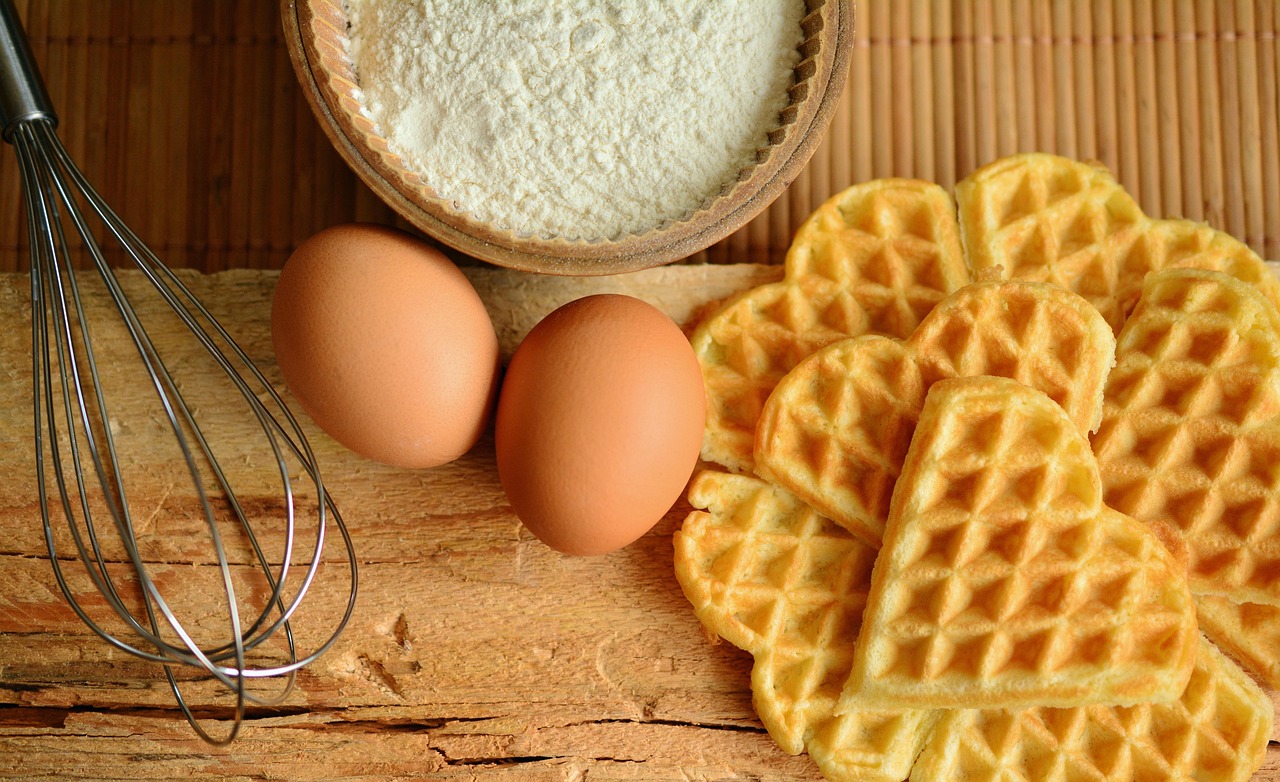
Welcome, aspiring bakers! Are you ready to dive into the wonderful world of baking with a recipe that promises delicious results without all the fuss? Today, we’re sharing our ultimate Recipe For Pound Cake Using Self Rising Flour. This isn’t just any pound cake; it’s a wonderfully moist, tender, and incredibly easy version that’s perfect for anyone looking for easy baking recipes, especially if you’re just starting out. Using self-rising flour simplifies the process by taking care of the leavening for you, making this a fantastic choice for baking tips for beginners. Get ready to bake a classic dessert that will impress everyone, including yourself!
Ingredients You’ll Need
Gathering your ingredients before you start is one of the best habits a beginner baker can adopt. Make sure everything is at room temperature for the best results!
| Quantity | Unit | Ingredient |
|---|---|---|
| 1 ½ | cups | Unsalted Butter, softened (3 sticks) |
| 3 | cups | Granulated Sugar |
| 5 | large | Eggs, room temperature |
| 1 | teaspoon | Vanilla Extract (good quality) |
| 3 | cups | Self-Rising Flour, sifted |
| 1 | cup | Whole Milk, room temperature |
Step-by-Step Guide to Your Perfect Self-Rising Flour Pound Cake
Follow these detailed instructions carefully, and you’ll be enjoying a slice of homemade pound cake in no time!
Prepping for Success
- Preheat Your Oven: Position an oven rack in the middle of your oven. Preheat your oven to 325°F (160°C). A slightly lower temperature is crucial for pound cake, allowing it to bake through evenly without browning too quickly on the outside.
- Prepare Your Pan: Grease and flour a 10-cup Bundt pan or a 9×13 inch baking pan. To do this, use a pat of butter or non-stick spray to thoroughly coat every nook and cranny of the pan. Then, sprinkle about 2 tablespoons of all-purpose flour into the greased pan, tilting and tapping it to ensure the flour coats the entire surface. Tap out any excess flour. This step is vital for preventing your beautiful cake from sticking!
- Sift Your Flour: Even though self-rising flour is already mixed, sifting it before you measure and use it helps to aerate it and remove any lumps. This leads to a lighter, more tender cake. Simply pass the flour through a fine-mesh sieve into a bowl.
- Ensure Room Temperature Ingredients: This is a big one for beginners! Make sure your butter, eggs, and milk are all at room temperature. Why? Room temperature butter creams better with sugar, incorporating more air for a lighter texture. Room temperature eggs emulsify better into the butter mixture, preventing a curdled batter. Cold ingredients can seize the butter, leading to a dense cake.
Creaming the Goodness
- Cream Butter and Sugar: In a large mixing bowl (using either a stand mixer with the paddle attachment or a hand mixer), beat the softened butter on medium speed for about 2 minutes until it’s light and fluffy. Now, gradually add the granulated sugar, about ½ cup at a time, beating well after each addition. Continue to beat the butter and sugar together for about 5-7 minutes until the mixture is very light in color, pale yellow, and significantly fluffed up. This process is called “creaming” and it’s where you incorporate air into your batter, which contributes to the cake’s lift and texture. Scrape down the sides of the bowl occasionally to ensure everything is evenly mixed.
Adding Eggs, One by One
- Incorporate Eggs: Add the eggs one at a time, beating well after each addition. After adding an egg, beat for at least 30-60 seconds until it’s fully incorporated and the mixture looks smooth again before adding the next. This slow incorporation helps to build a strong emulsion and prevents the batter from curdling.
- Add Vanilla: Once all the eggs are in, beat in the vanilla extract until just combined. Don’t overmix at this stage, just ensure the vanilla is evenly distributed.
Incorporating the Flour and Milk
- Alternate Flour and Milk: This is a critical step for a tender crumb. With your mixer on low speed, or by hand with a spatula, begin adding the sifted self-rising flour and milk to the butter mixture in alternating additions.
- Start with about one-third of the flour, mixing just until almost combined.
- Then, add half of the milk, mixing until almost combined.
- Repeat with another third of the flour, then the remaining milk.
- Finish with the last third of the flour.
Important Tip for Beginners: Mix only until the ingredients are just combined after each addition. The goal is to avoid overmixing, which develops the gluten in the flour and can lead to a tough, dense cake. A few small streaks of flour are better than an overmixed batter. Use a rubber spatula to gently fold in any remaining flour at the very end.
Baking to Golden Perfection
- Fill the Pan: Pour the batter evenly into your prepared Bundt or baking pan. Use a spatula to gently smooth the top. If using a Bundt pan, gently tap the pan on the counter a couple of times to release any large air bubbles.
- Bake Your Cake: Place the pan in the preheated oven. Bake for approximately 70-90 minutes for a Bundt pan, or 60-75 minutes for a 9×13 inch pan. Baking times can vary based on your oven, so it’s essential to watch for visual cues.
- The cake should be golden brown on top.
- A wooden skewer or toothpick inserted into the center of the cake should come out clean or with a few moist crumbs attached, but no wet batter.
Beginner’s Note: Avoid opening the oven door too early, especially in the first 45-50 minutes, as this can cause the cake to sink. If the top is browning too quickly, you can loosely tent it with aluminum foil for the last portion of baking.
Cooling and Serving
- Cool in Pan: Once baked, remove the cake from the oven and let it cool in the pan on a wire rack for 15-20 minutes. This allows the cake to set up and become firm enough to handle without breaking.
- Invert and Cool Completely: After the initial cooling, carefully invert the cake onto the wire rack to cool completely. If using a Bundt pan, place the rack over the top of the pan, then carefully flip both together. Lift the pan slowly. Allow the cake to cool for at least 1-2 hours, or until it reaches room temperature. Slicing a warm pound cake can cause it to crumble.
- Serve and Enjoy: Once cooled, slice your beautiful pound cake and serve as is, or with a dusting of powdered sugar, fresh berries, or a light glaze. Enjoy your homemade masterpiece!
Top Tips & Tricks for Pound Cake Perfection
Achieving a perfect pound cake is all about understanding a few key principles. Here are some actionable tips to help you master this recipe:
- Don’t Overmix! This is the golden rule of baking, especially with quick breads and cakes. Overmixing develops gluten, leading to a tough, dense cake. Mix only until ingredients are just combined.
- Room Temperature Ingredients are Non-Negotiable: We mentioned it in the steps, but it bears repeating. Cold butter won’t cream properly, and cold eggs will curdle the batter. Plan ahead!
- Measure Accurately: Baking is a science. Use proper measuring cups and spoons, and for flour, spoon it into your measuring cup and level it off with a straight edge. Don’t pack it down.
- Know Your Oven: Ovens can vary wildly in temperature. If you find your cakes baking too quickly or too slowly, consider getting an oven thermometer to ensure your oven is truly at the temperature you set.
- Pan Preparation is Key: A well-greased and floured pan is your best friend. Don’t skimp on this step, especially with intricate Bundt pans, to ensure easy release.
- Patience During Cooling: It’s tempting to slice into a warm cake, but allowing it to cool completely on a wire rack prevents it from crumbling and helps it retain moisture.
Your Essential Baking Toolkit
Having the right tools makes all the difference, especially when you’re just starting out. Here are some essentials you might find helpful:
- Mixing Bowl
- Whisk
- Baking Pan (Bundt or 9×13 inch)
- Measuring Cups & Spoons
- Rubber Spatula
- Electric Hand Mixer (or Stand Mixer)
- Wire Cooling Rack
Nutrition Information (Per Serving)
Please note: This is an estimated nutritional breakdown for one slice (assuming 16 slices per cake) and can vary based on exact ingredients and portion size.
| Nutrient | Amount |
|---|---|
| Calories | 420 kcal |
| Carbohydrates | 58g |
| Protein | 5g |
| Fat | 20g |
| Saturated Fat | 12g |
| Fiber | 1g |
| Sugar | 38g |
Frequently Asked Questions for Beginner Bakers
Can I use regular all-purpose flour instead of self-rising flour?
You can, but you’ll need to make a slight adjustment. For every cup of all-purpose flour, add 1 ½ teaspoons of baking powder and ¼ teaspoon of salt. So, for this recipe, you would use 3 cups of all-purpose flour, 4 ½ teaspoons of baking powder, and ¾ teaspoon of salt. Make sure to whisk these dry ingredients together thoroughly before adding them to your wet ingredients.
Why do my ingredients need to be at room temperature?
Room temperature ingredients are crucial for achieving the perfect texture. Softened butter creams much better with sugar, allowing for more air to be incorporated, which results in a lighter, fluffier cake. Room temperature eggs and milk emulsify (mix smoothly) into the butter mixture without causing it to curdle or seize up, creating a uniform, smooth batter.
How do I know when my pound cake is fully baked?
The best way to tell is by inserting a long wooden skewer or toothpick into the very center of the cake. If it comes out clean, or with just a few moist crumbs attached (no wet batter), your cake is done. The top should also be golden brown, and the edges will start to pull away slightly from the pan. Trust the toothpick test!
My cake sunk in the middle, what went wrong?
Several factors can cause a cake to sink. Common culprits include: opening the oven door too early (causing a sudden temperature drop), overmixing the batter (which creates too much air that then collapses), an oven that’s too hot (causing the outside to set before the inside cooks), or incorrect leavening (though less likely with self-rising flour, it can still happen if it’s very old). Ensure your oven temperature is accurate and resist the urge to peek!
Can I make this cake ahead of time? How should I store it?
Absolutely! Pound cake actually tastes even better the next day as the flavors meld. Once completely cooled, wrap the cake tightly in plastic wrap, then again in aluminum foil. It can be stored at room temperature for up to 3-4 days. For longer storage, freeze slices or the whole cake (well-wrapped) for up to 2-3 months. Thaw at room temperature before serving.
Your Pound Cake Journey Starts Now!
You’ve got all the tools, tips, and step-by-step guidance you need to bake a truly spectacular pound cake using self-rising flour. This recipe is designed to build your confidence in the kitchen and deliver a consistently delicious result. Don’t be afraid to get baking remember, every great baker started with their first recipe! We can’t wait to hear how your pound cake turns out. Share your creations and any questions in the comments below. Happy baking!