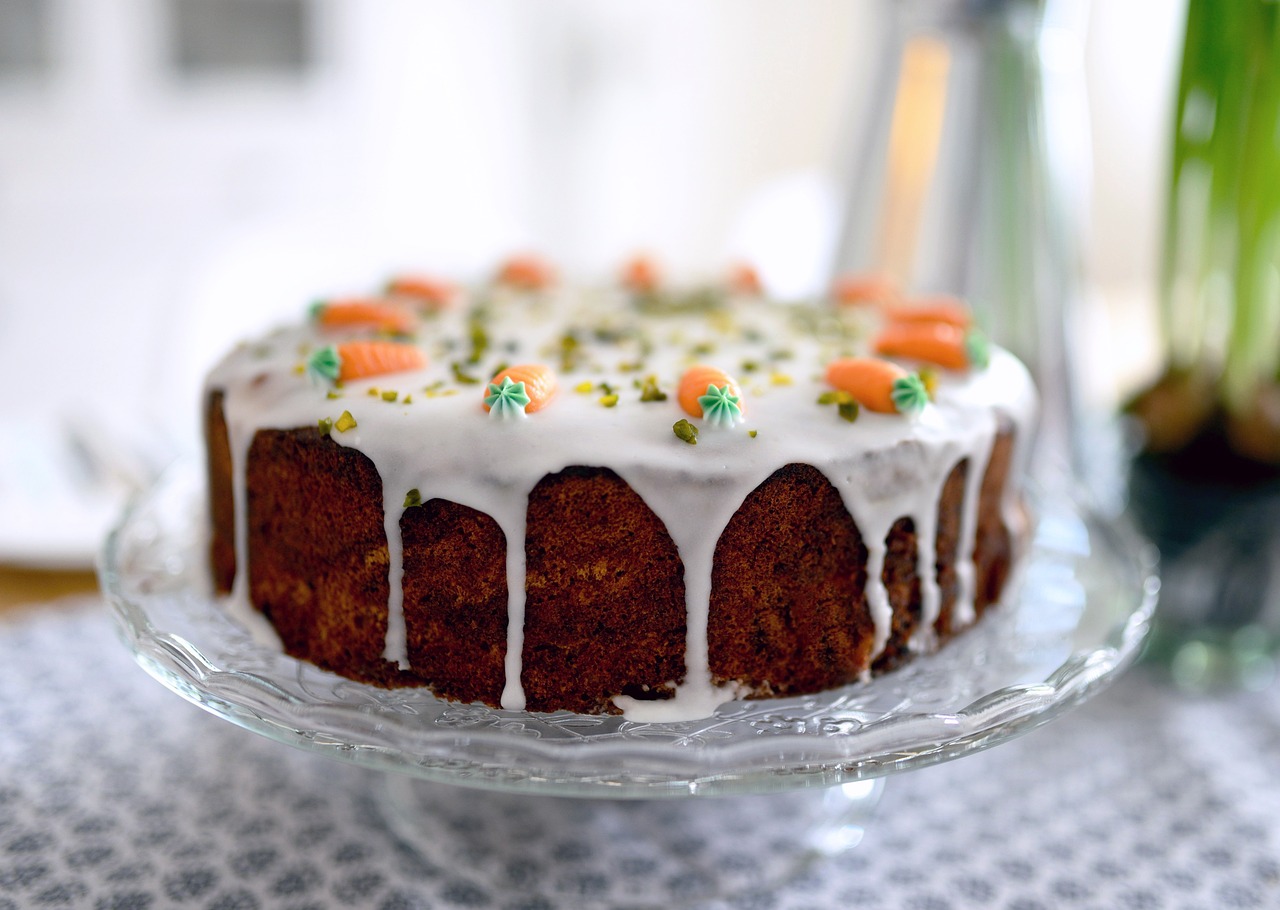
There’s something truly magical about baking, especially when it results in a dessert that feels like a cozy hug on a chilly day. If you’ve been looking for an easy baking recipes to conquer, you’ve landed in the perfect spot! Today, we’re diving into the delightful world of our Recipe For Snow Cake. This isn’t just any cake; it’s a light, fluffy, vanilla-infused dream, topped with a luscious, snowy white buttercream that will transport you straight to a winter wonderland, no matter the season.
Whether you’re a seasoned pro or just starting your baking journey, this recipe is designed with you in mind. We’ll walk through every step, offering clear guidance and essential baking tips for beginners to ensure your success. Get ready to impress yourself (and everyone else!) with this beautiful, surprisingly simple creation. Let’s get our aprons on and make some magic!
Ingredients You’ll Need
Before we start, gather all your ingredients and ensure your butter and eggs are at room temperature. This makes a huge difference in the final texture of your cake!
For the Snow Cake:
| Quantity | Unit | Ingredient |
|---|---|---|
| 2 ½ | cups | All-Purpose Flour |
| 1 ½ | cups | Granulated Sugar |
| 1 | tablespoon | Baking Powder |
| ½ | teaspoon | Salt |
| ¾ | cup (1 ½ sticks) | Unsalted Butter, softened |
| 4 | large | Eggs, room temperature |
| 1 | tablespoon | Vanilla Extract |
| 1 | cup | Whole Milk, room temperature |
For the Snowy Buttercream Frosting:
| Quantity | Unit | Ingredient |
|---|---|---|
| 1 ½ | cups (3 sticks) | Unsalted Butter, softened |
| 4-5 | cups | Powdered Sugar (Confectioners’ Sugar), sifted |
| 1 | teaspoon | Vanilla Extract |
| 3-5 | tablespoons | Whole Milk or Heavy Cream |
| Pinch | Salt (optional, to balance sweetness) |
Step-by-Step Instructions: Your Path to a Perfect Snow Cake
Follow these detailed steps carefully, and you’ll be amazed at what you can create!
Part 1: Preparing Your Cake Batter
- Preheat and Prepare Your Pans: Start by preheating your oven to 350°F (175°C). This ensures the oven is at a consistent temperature when your cake goes in, which is crucial for even baking. Next, generously grease and flour two 8-inch round cake pans. You can also line the bottoms with parchment paper for extra insurance against sticking. Beginner Tip: Greasing and flouring thoroughly prevents your cake from sticking, making removal much easier! Tap out any excess flour.
- Combine Dry Ingredients: In a medium bowl, whisk together the 2 ½ cups all-purpose flour, 1 ½ cups granulated sugar, 1 tablespoon baking powder, and ½ teaspoon salt. Whisking ensures these ingredients are well combined and evenly distributed, which helps the cake rise uniformly. Why sift? While not strictly required for this recipe, for an extra-light cake, you can sift the flour mixture. Sifting breaks up clumps and aerates the flour.
- Cream Butter and Sugar: In a large mixing bowl (or the bowl of a stand mixer fitted with the paddle attachment), beat the ¾ cup softened unsalted butter on medium speed for about 1 minute until creamy. Add the 1 ½ cups granulated sugar and continue beating on medium-high speed for 3-5 minutes. This is called the “creaming method.” You’re aiming for a mixture that is light in color and fluffy in texture. This process incorporates air, which is essential for a light and tender cake. Common Mistake: If your butter isn’t soft enough, it won’t cream properly, leading to a denser cake. Let it sit on the counter for at least an hour before starting.
- Add Eggs and Vanilla: Add the 4 large eggs one at a time, beating well after each addition. Make sure each egg is fully incorporated before adding the next. Scrape down the sides of the bowl as needed to ensure everything is mixed evenly. Finally, stir in the 1 tablespoon vanilla extract. The mixture might look slightly curdled at this stage, but don’t worry, it will come together as you add the dry ingredients.
- Alternate Dry and Wet Ingredients: Now, we’ll add the dry ingredients and milk in stages. With the mixer on low speed, add about one-third of the dry ingredient mixture to the butter mixture, mixing just until combined. Then, pour in about half of the 1 cup whole milk, mixing until just incorporated. Repeat this process: another third of the dry ingredients, then the remaining milk, and finally, the last third of the dry ingredients. Important: Mix only until just combined after each addition. Do not overmix! Overmixing develops gluten in the flour, which can lead to a tough, chewy cake instead of a tender, fluffy one. The moment you no longer see streaks of flour, stop mixing.
Part 2: Baking Your Cake Layers
- Divide and Bake: Divide the cake batter evenly between your two prepared 8-inch round cake pans. Smooth the tops with a spatula.
- Bake to Perfection: Place the pans in the preheated oven and bake for 28-32 minutes, or until a wooden skewer or toothpick inserted into the center of the cakes comes out clean. The cakes should be lightly golden on top and spring back when gently touched. Beginner Tip: Avoid opening the oven door too early, especially in the first 20 minutes, as this can cause your cakes to sink.
- Cooling Process: Once baked, remove the cakes from the oven and let them cool in their pans on a wire rack for about 10-15 minutes. This allows the cakes to firm up slightly, making them easier to handle. After this initial cooling, carefully invert the cakes onto the wire rack, remove the pans, and peel off any parchment paper. Let the cakes cool completely before frosting. This is a critical step! Common Mistake: Frosting a warm cake will cause your beautiful buttercream to melt and slide right off. Patience is key here!
Part 3: Crafting the Snowy Buttercream Frosting
- Cream the Butter: In a large mixing bowl (or stand mixer with paddle attachment), beat the 1 ½ cups softened unsalted butter on medium speed for about 3-5 minutes until it’s very light, pale, and fluffy. This aeration is what makes for truly delightful buttercream.
- Gradually Add Powdered Sugar: With the mixer on low speed, gradually add the 4-5 cups sifted powdered sugar, about a cup at a time. Mix until combined after each addition. Once all the sugar is added, increase the speed to medium-high and beat for another 2-3 minutes until the frosting is light and fluffy. Why sift powdered sugar? It removes lumps and ensures a super smooth frosting.
- Add Vanilla and Milk: Stir in the 1 teaspoon vanilla extract and a pinch of salt (if using). Then, add the whole milk or heavy cream, 1 tablespoon at a time, until your desired consistency is reached. You want a frosting that is spreadable but still holds its shape. If it’s too thick, add more milk; if it’s too thin, add a little more sifted powdered sugar.
Part 4: Assembling Your Snow Cake
- Level the Cakes (Optional but Recommended): If your cake layers have a domed top, you can use a serrated knife to carefully level them. This creates flat surfaces for stacking, making your cake look more professional.
- Stack and Frost: Place one cooled cake layer on your serving plate or cake stand. Spread about ½ to ¾ cup of frosting evenly over the top. Place the second cake layer on top, pressing down gently.
- Crumb Coat: Apply a thin layer of frosting all over the top and sides of the cake. This is called a “crumb coat,” and it traps any loose crumbs, preventing them from getting into your final frosting layer. Chill the cake in the refrigerator for 15-20 minutes to set the crumb coat.
- Final Frosting: Once the crumb coat is firm, apply the remaining frosting to the top and sides of the cake, smoothing it out with an offset spatula or bench scraper for a clean finish. You can create swoops and peaks for a snowy effect, or keep it perfectly smooth.
- Serve and Enjoy: Slice your beautiful **Snow Cake** and serve! Store any leftovers in an airtight container at room temperature for up to 2 days, or in the refrigerator for up to 5 days. Bring to room temperature before serving for the best flavor and texture.
Tips & Tricks for Baking Success
Baking is a science, but with a few simple tips, you’ll be a pro in no time!
- Room Temperature Ingredients are Key: This is not just a suggestion! Softened butter and room temperature eggs and milk emulsify better, creating a smooth, cohesive batter that traps air, resulting in a lighter, fluffier cake.
- Measure Accurately: Baking requires precision. Use proper measuring cups for dry ingredients (levelled with a straight edge) and liquid measuring cups for liquids (read at eye level). For even greater accuracy, consider using a kitchen scale, especially for flour.
- Don’t Overmix the Batter: Once you add flour, mix only until just combined. Overmixing develops gluten, leading to a tough, dense cake. A few small lumps are perfectly fine!
- Cool Cakes Completely: Patience is a virtue, especially when it comes to cooling cakes. Frosting a warm cake will cause the buttercream to melt, slide, and create a crumbly mess.
- Invest in an Oven Thermometer: Oven temperatures can vary widely from what the dial says. An inexpensive oven thermometer will give you an accurate reading, ensuring your cakes bake at the correct temperature every time.
- Scrape the Bowl Often: During mixing, ingredients can stick to the sides and bottom of the bowl. Regularly scrape down the bowl with a rubber spatula to ensure everything is evenly incorporated.
Essential Baking Tools
Having the right tools makes all the difference! Here are a few essentials:
- Mixing Bowl
- Whisk
- Baking Pan (Two 8-inch round pans recommended)
- Measuring Cups & Spoons
- Spatula (Rubber and Offset Spatula are handy)
- Electric Mixer (Handheld or Stand Mixer)
- Wire Cooling Rack
- Parchment Paper
Nutrition Information (Per Serving, approx. 1/12th of cake)
Please note: These values are estimates and can vary based on exact ingredient brands and portion sizes.
| Nutrient | Amount |
|---|---|
| Calories | 380-420 kcal |
| Carbohydrates | 55-65 g |
| Protein | 4-6 g |
| Fat | 18-25 g |
| Fiber | 1-2 g |
| Sugar | 35-45 g |
Frequently Asked Questions (FAQs)
Q1: Can I use cold ingredients if I’m in a hurry?
A: While it’s tempting, using cold ingredients (especially butter and eggs) will negatively impact the cake’s texture. Cold butter won’t cream properly with sugar, leading to less air incorporation and a denser cake. Cold eggs can cause the batter to curdle. Always aim for room temperature ingredients for the best results!
Q2: How do I know when my cake is truly done baking?
A: The best way is the toothpick test! Insert a wooden skewer or toothpick into the very center of the cake. If it comes out clean (without wet batter attached), your cake is done. If it has a few moist crumbs, that’s fine, but wet batter means it needs more time. The edges should also be lightly golden, and the top should spring back when gently pressed.
Q3: Why did my cake sink in the middle?
A: There are a few common reasons: opening the oven door too early (especially during the first 2/3 of baking time), an oven that’s too cool (check with an oven thermometer!), or using too much leavening agent (baking powder/soda). Make sure to measure accurately and avoid peeking!
Q4: Can I make this Snow Cake ahead of time?
A: Absolutely! Baked and cooled cake layers can be wrapped tightly in plastic wrap and stored at room temperature for up to 2 days, or frozen for up to 2 months. The buttercream frosting can be made a day or two in advance and stored in the refrigerator; just let it come to room temperature and re-whip before frosting. An assembled and frosted cake can be stored at room temperature for up to 2 days, or in the fridge for up to 5 days (bring to room temp before serving).
Q5: What if I don’t have whole milk for the cake or frosting?
A: For the cake, you can use 2% milk. If you only have skim milk, you can add about a tablespoon of melted butter to the milk to add back some richness. For the frosting, heavy cream will make a richer, thicker frosting, while a lower-fat milk might require slightly less liquid or more powdered sugar to achieve the right consistency.
Time to Enjoy Your Masterpiece!
Congratulations, baker! You’ve successfully created a beautiful and delicious Snow Cak. This recipe is a testament to the fact that even the most impressive-looking desserts can be approachable for beginners. The joy of baking is not just in the eating, but in the process – the fragrant aroma filling your home, the satisfaction of watching your creation come to life, and the pride of sharing it with loved ones.
We hope this Recipe For Snow Cake becomes a cherished part of your baking repertoire. Don’t be afraid to experiment with sprinkles or even a dusting of coconut flakes for an extra snowy touch. Keep practicing those **baking tips for beginners**, and you’ll be whipping up treats like a pro in no time. Happy baking, and enjoy every delightful slice!
“`