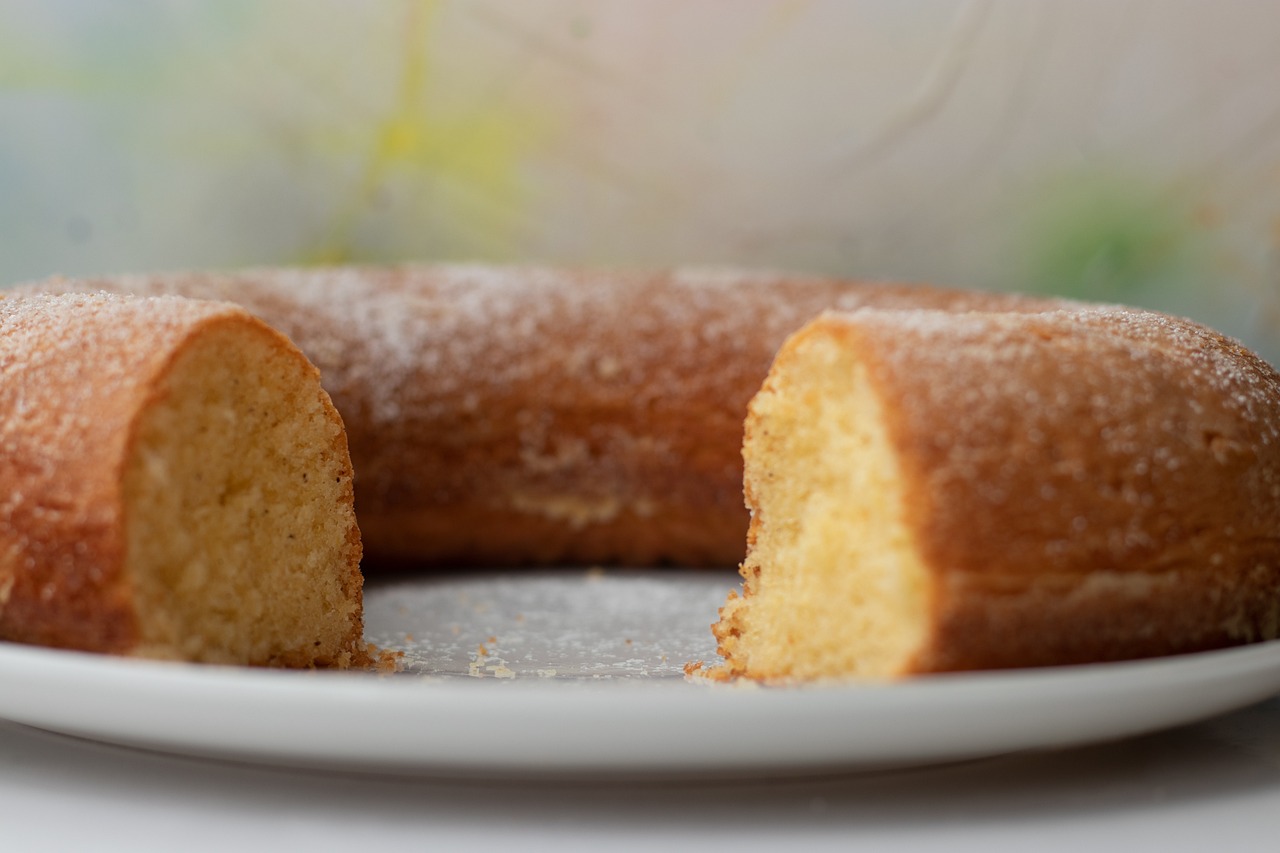
Welcome, aspiring bakers! Are you ready to dive into the wonderful world of baking with a recipe that’s both incredibly satisfying and deceptively simple? Look no further than this Recipe For Walnut Pound Cake If you’ve been searching for easy baking recipes that deliver impressive results without the stress, you’ve found your perfect match. This classic pound cake, enriched with the delightful crunch of walnuts, is a comforting treat that’s ideal for any occasion from a cozy afternoon tea to a festive dessert spread. We’re here to guide you every step of the way, providing all the essential baking tips for beginners to ensure your first (or fiftieth!) pound cake is a resounding success. Let’s get baking!
Ingredients You’ll Need
Gathering your ingredients is the first step to baking success. Make sure everything is measured accurately and, where noted, at room temperature!
| Ingredient | Quantity |
|---|---|
| All-Purpose Flour | 2 ½ cups |
| Granulated Sugar | 1 ¾ cups |
| Unsalted Butter (softened, room temp) | 1 cup (2 sticks) |
| Large Eggs (room temp) | 4 |
| Sour Cream (room temp) | ¾ cup |
| Vanilla Extract | 2 teaspoons |
| Baking Powder | 1 teaspoon |
| Salt | ½ teaspoon |
| Chopped Walnuts | 1 cup |
| For the Simple Glaze (Optional): | |
| Powdered Sugar | 1 cup |
| Milk or Water | 2-3 tablespoons |
| Vanilla Extract (optional) | ¼ teaspoon |
Step-by-Step Instructions: Baking Your Perfect Pound Cake
Follow these detailed steps carefully, and you’ll be enjoying a delicious homemade walnut pound cake in no time!
Step 1: Get Ready to Bake!
- Preheat Your Oven: Start by preheating your oven to 325°F (160°C). Pound cakes bake best at a slightly lower temperature for a longer time, which helps them cook through evenly without over-browning.
- Prepare Your Pan: Take a 10-12 cup Bundt pan or a 9×5 inch loaf pan. Generously grease the entire inside surface of the pan with butter or a non-stick baking spray. Then, lightly flour the pan, tapping out any excess flour. This creates a non-stick barrier, ensuring your beautiful cake releases easily. For Bundt pans with intricate designs, be extra thorough in greasing and flouring every nook and cranny!
Step 2: Prepare Your Dry Ingredients
- In a medium bowl, whisk together the 2 ½ cups of all-purpose flour, 1 teaspoon of baking powder, and ½ teaspoon of salt. Whisking ensures these ingredients are evenly distributed, which is crucial for a consistent rise and texture in your cake. Set this bowl aside.
Step 3: Cream the Butter and Sugar (The Magic Step!)
- In a large mixing bowl (or the bowl of a stand mixer fitted with the paddle attachment), add the 1 cup (2 sticks) of softened unsalted butter and 1 ¾ cups of granulated sugar.
- **Beat them together** on medium-high speed for about 3-5 minutes, until the mixture is light, fluffy, and pale in color. This process, called “creaming,” incorporates air into the butter and sugar, which is essential for the pound cake’s tender crumb and airy texture. Don’t rush this step – it’s key to a great cake!
Step 4: Add the Eggs, One at a Time
- Reduce the mixer speed to medium. Add the eggs one at a time, beating well after each addition. For beginners, it’s vital to fully incorporate each egg before adding the next. This prevents the batter from separating or looking curdled.
- After adding all the eggs, beat for another minute until the mixture is smooth and well combined. Scrape down the sides of the bowl with a rubber spatula frequently to ensure everything is mixed evenly.
- Stir in the 2 teaspoons of vanilla extract.
Step 5: Alternate Dry and Wet Ingredients
- With the mixer on low speed, begin adding the dry flour mixture and the ¾ cup of sour cream to the butter-egg mixture, alternating between them.
- Start by adding one-third of the dry ingredients, mix until just combined.
- Then, add half of the sour cream, mix until just combined.
- Repeat with another one-third of the dry ingredients, then the remaining sour cream.
- Finish by adding the last one-third of the dry ingredients.
- Important Tip: Mix only until *just combined* after each addition. Do not overmix! Overmixing develops the gluten in the flour, leading to a tough, dense cake. We want a tender pound cake, so stop mixing as soon as no dry streaks of flour are visible.
Step 6: Fold in the Walnuts
- Remove the bowl from the mixer. Using your rubber spatula, gently fold in the 1 cup of chopped walnuts until they are evenly distributed throughout the batter. Folding helps to incorporate them without deflating the air you’ve worked so hard to incorporate.
Step 7: Bake Your Pound Cake!
- Pour the batter into your prepared Bundt or loaf pan, spreading it evenly.
- Place the pan in the preheated oven and bake for 60-75 minutes (for a Bundt pan) or 50-60 minutes (for a loaf pan). Baking times can vary depending on your oven and pan material.
- How to check for doneness: The cake is done when a wooden skewer or toothpick inserted into the center comes out clean or with a few moist crumbs attached (but no wet batter). The top should be golden brown and spring back when lightly touched.
- If the top starts to brown too quickly, you can loosely tent it with aluminum foil during the last 15-20 minutes of baking.
Step 8: Cool and Glaze
- Once baked, remove the cake from the oven and let it cool in the pan for 10-15 minutes. This crucial step allows the cake to set and prevents it from breaking when you remove it.
- After 10-15 minutes, carefully invert the cake onto a wire cooling rack to cool completely. Allowing it to cool fully on a rack prevents the bottom from becoming soggy.
- Prepare the Glaze (Optional): While the cake cools, whisk together the 1 cup of powdered sugar, 2-3 tablespoons of milk or water, and ¼ teaspoon of vanilla extract (if using) in a small bowl until smooth. Adjust the liquid amount as needed to reach your desired drizzling consistency.
- Once the cake is completely cool, drizzle the glaze generously over the top. Let the glaze set for a few minutes before slicing and serving.
Baking Tips & Tricks for a Flawless Finish
These extra pointers will elevate your baking game and help you avoid common pitfalls, especially for beginners!
- Room Temperature is Key: Ensure your butter, eggs, and sour cream are at room temperature. This allows them to emulsify properly, creating a smooth, homogenous batter that traps air efficiently, resulting in a lighter and more tender cake. Cold ingredients can cause the batter to curdle.
- Measure Flour Correctly: Don’t scoop flour directly from the bag with your measuring cup! This compacts the flour, leading to too much being added. Instead, spoon the flour into your measuring cup and then level it off with the back of a knife. This “spoon and level” method ensures accurate measurement.
- Do Not Overmix: This is arguably the most important rule for cakes. Once you add flour, mix only until just combined. Overmixing develops gluten, which makes your cake tough and chewy instead of tender and moist.
- Grease and Flour Thoroughly: For easy release, especially with Bundt pans, be meticulous. Use solid shortening or softened butter, spread it into every crevice, then dust with flour, tapping out the excess. You can even use cocoa powder for chocolate cakes!
- Invest in an Oven Thermometer: Oven temperatures can be notoriously inaccurate. An inexpensive oven thermometer placed inside your oven will show you its true temperature, preventing under or over-baking.
- Patience with Cooling: Resist the urge to remove the cake from the pan too soon. The structure is still delicate when hot. Cooling in the pan for the recommended time allows it to firm up, preventing breakage.
- Alternative Nuts: Feel free to swap walnuts for pecans, almonds, or a mix of your favorite nuts for a different flavor profile. Just make sure they are finely chopped.
Essential Baking Tools for Your Kitchen
Having the right tools makes baking much easier and more enjoyable. Here are a few essentials:
- Mixing Bowl (various sizes)
- Whisk (for dry ingredients)
- Baking Pan (Bundt or loaf pan)
- Measuring Cups and Measuring Spoons
- Rubber Spatula (for scraping and folding)
- Electric Mixer (stand mixer or hand mixer)
- Wire Cooling Rack
- Wooden Skewer or Toothpicks (for testing doneness)
Nutrition Information (Per Serving – estimated for 12 servings)
Please note that these values are estimates and can vary based on specific ingredients and portion sizes.
| Nutrient | Amount |
|---|---|
| Calories | 410 kcal |
| Carbohydrates | 52 g |
| Protein | 5 g |
| Fat | 22 g |
| Saturated Fat | 12 g |
| Fiber | 1 g |
| Sugar | 35 g |
Frequently Asked Questions (FAQs)
Q: Why is it important for ingredients to be at room temperature?
A: Room temperature ingredients (like butter, eggs, and sour cream) emulsify better, meaning they combine smoothly and trap more air. This results in a lighter, fluffier batter and a more tender, evenly textured cake. Cold ingredients can cause your batter to curdle and result in a denser cake.
Q: How do I know when my pound cake is done baking?
A: The best way is to insert a wooden skewer or toothpick into the center of the cake. If it comes out clean or with only a few moist crumbs attached (no wet batter), your cake is done. The top should also be golden brown and spring back slightly when gently pressed.
Q: My cake sank in the middle, what happened?
A: A sunken cake can be caused by a few things: opening the oven door too early (causing a sudden temperature drop), under-baking (the center isn’t fully cooked), or too much leavening agent (baking powder). Ensure your oven temperature is accurate and resist opening the door until at least two-thirds of the way through the baking time.
Q: Can I use different nuts instead of walnuts?
A: Absolutely! This recipe is very adaptable. Pecans are a popular substitute and work wonderfully. Almonds or even hazelnuts (lightly toasted and skinned) could also be used for a different flavor profile. Just make sure to chop them to a similar size.
Q: How should I store leftover pound cake?
A: Pound cake can be stored at room temperature, tightly wrapped in plastic wrap or in an airtight container, for up to 3-4 days. For longer storage, you can freeze individual slices or the whole cake (un-glazed) for up to 2-3 months. Thaw at room temperature before serving.
Q: What if I don’t have sour cream?
A: If you don’t have sour cream, you can substitute it with plain full-fat Greek yogurt or buttermilk. These alternatives will also add moisture and a slight tang that complements the richness of the pound cake.
Ready to Bake Your Masterpiece?
There you have it! A comprehensive guide to baking a beautiful and delicious Walnut Pound Cake. We hope this detailed, beginner-friendly recipe has given you the confidence and inspiration to get into your kitchen and create something truly special. Remember, baking is a journey, and every cake is a learning experience. Don’t be afraid to experiment and most importantly, have fun!
We’d love to hear how your pound cake turns out. Share your creations and any questions in the comments below. Happy baking!