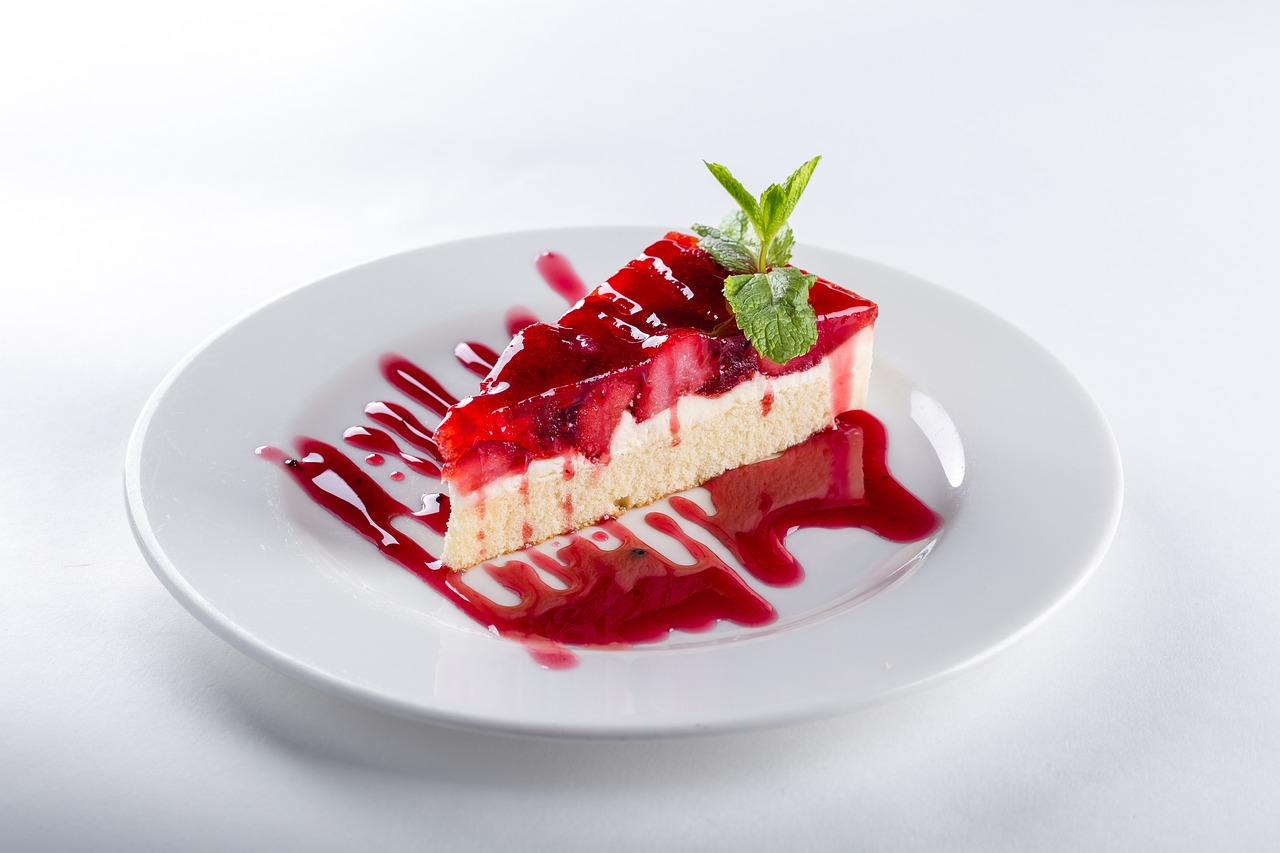
Welcome, aspiring bakers! Are you ready to embark on a delightful culinary journey that’s surprisingly simple yet incredibly elegant? Today, we’re diving into the enchanting world of the Recipe For White Wine Cake. Forget everything you thought about complicated baking this particular cake is a testament to how truly delicious and sophisticated flavors can come from the most straightforward of processes. It’s one of those truly easy baking recipes that yields impressive results, making you look like a seasoned pro even if it’s your very first time turning on the oven. We’ll walk you through every step, offering clear instructions and essential baking tips for beginners to ensure your success. Get ready to bake a moist, tender cake with a subtle, sophisticated hint of white wine that will have everyone asking for seconds!
Ingredients You’ll Need
Gather your ingredients! For best results, ensure your butter and eggs are at room temperature.
| Ingredient | Quantity | Unit |
|---|---|---|
| All-Purpose Flour | 2 ½ | cups |
| Granulated Sugar | 1 ½ | cups |
| Unsalted Butter (softened) | 1 | cup (2 sticks) |
| Large Eggs | 3 | |
| Dry White Wine (e.g., Sauvignon Blanc, Pinot Grigio) | 1 | cup |
| Baking Powder | 2 | teaspoons |
| Salt | ½ | teaspoon |
| Vanilla Extract | 1 | teaspoon |
| For the Optional Glaze: | ||
| Powdered Sugar (Confectioners’ Sugar) | 1 ½ | cups |
| Dry White Wine or Milk | 2-3 | tablespoons |
Step-by-Step Instructions: Baking Your White Wine Cake
Follow these detailed steps carefully for a perfect, moist white wine cake. Don’t rush, and enjoy the process!
Step 1: Preheat and Prepare Your Pan
- Preheat your oven: Set your oven to 350°F (175°C). This ensures the oven is at the correct temperature when your batter is ready, which is crucial for even baking.
- Prepare your baking pan: Take a 9×13 inch baking pan (or a 10-inch round springform pan). Lightly grease it with butter or non-stick baking spray. For an extra layer of protection against sticking, you can dust the greased pan with a tablespoon or two of flour, tapping it around to coat all surfaces, then tapping out any excess. This step is a beginner’s best friend for easy cake removal!
Step 2: Combine Dry Ingredients
- In a medium-sized bowl, whisk together the all-purpose flour, baking powder, and salt. Whisking ensures these dry ingredients are evenly distributed, which is important for the cake’s rise and texture. Set this bowl aside for now.
- Beginner Tip: Always level off your flour with a straight edge (like the back of a knife) after scooping it into your measuring cup. Too much flour can make your cake dense and dry.
Step 3: Cream Butter and Sugar
- In a large mixing bowl (or the bowl of a stand mixer fitted with the paddle attachment), add the softened unsalted butter and granulated sugar.
- Beat on medium speed for about 3-5 minutes, until the mixture is light in color and fluffy in texture. This process, called “creaming,” incorporates air into the butter and sugar, which contributes significantly to the cake’s light and airy crumb.
- Beginner Tip: Make sure your butter is truly softened (room temperature, not melted!). It should yield slightly when pressed but not be greasy. Cold butter won’t cream properly, and melted butter will lead to a dense cake.
Step 4: Add Eggs and Vanilla
- Add the large eggs, one at a time, to the creamed butter and sugar mixture. Beat well after each addition, scraping down the sides of the bowl with a spatula as needed. This ensures everything is fully incorporated.
- Once the eggs are mixed in, stir in the vanilla extract.
- Beginner Tip: Adding eggs one at a time helps them emulsify better with the butter mixture, preventing a curdled appearance. Don’t worry if it looks slightly curdled; it often smooths out once the flour is added.
Step 5: Alternate Dry Ingredients and White Wine
- Now it’s time to bring in the dry ingredients and the star of the show, the white wine!
- With the mixer on low speed, add about one-third of the dry ingredient mixture to the wet ingredients. Mix just until combined – do not overmix!
- Next, pour in half of the white wine. Mix until just incorporated.
- Repeat this process: add another third of the dry ingredients, then the remaining white wine, and finally the last third of the dry ingredients.
- Crucial Beginner Tip: Always begin and end with dry ingredients. Mix only until just combined after each addition. Overmixing the batter once flour is added develops the gluten too much, leading to a tough, dry cake. A few small lumps are fine!
- Scrape down the sides of the bowl one last time with your spatula to ensure all ingredients are evenly mixed.
Step 6: Bake Your Cake
- Pour the cake batter evenly into your prepared baking pan. Smooth the top with a spatula.
- Place the pan in the preheated oven and bake for 30-35 minutes for a 9×13 inch pan, or 35-45 minutes for a 10-inch round pan.
- How to tell it’s done: The cake is ready when a wooden skewer or toothpick inserted into the center comes out clean or with a few moist crumbs attached (but no wet batter). The edges should be lightly golden brown and the top should spring back when gently pressed.
- Beginner Tip: Avoid opening the oven door frequently during baking, especially in the first 20 minutes, as this can cause the cake to sink.
Step 7: Cool the Cake
- Once baked, remove the cake from the oven and let it cool in the pan on a wire rack for about 10-15 minutes. This allows the cake to set and prevents it from breaking when removed.
- After 10-15 minutes, carefully invert the cake onto the wire rack to cool completely. If using a springform pan, simply release the sides.
- Beginner Tip: Do not try to glaze or frost a warm cake! The glaze will melt and run off. Patience is a virtue here!
Step 8: Prepare and Apply Optional Glaze (Recommended!)
- While the cake cools, prepare your simple glaze. In a small bowl, whisk together the powdered sugar and 2 tablespoons of white wine or milk.
- Add more liquid (half a tablespoon at a time) if needed, until you reach a smooth, pourable consistency. It should be thick enough to coat a spoon but thin enough to drizzle.
- Once the cake is completely cool, drizzle the glaze evenly over the top. Let the glaze set for about 15-20 minutes before slicing and serving. This glaze adds an extra layer of moisture and a delightful subtle tang that perfectly complements the cake.
Tips & Tricks for Baking Success
Baking is a science, but with these simple tips, you’ll feel like a kitchen wizard! First and foremost, read the entire recipe before you start. This helps you understand the flow and anticipate steps. Always ensure your ingredients, especially butter and eggs, are at room temperature. This allows them to emulsify properly, creating a smooth batter and a tender crumb. Cold ingredients can lead to a dense, unevenly textured cake.
Accurate measuring is non-negotiable in baking. Use proper measuring cups and spoons, and for dry ingredients like flour, spoon it into the cup and level it off with a straight edge – don’t scoop directly from the bag, as this compacts the flour and results in too much. Do not overmix your batter once the flour is added; mix only until just combined. Overmixing develops gluten, making your cake tough and chewy instead of light and tender.
Before you even think about mixing, take the time to properly prepare your baking pan. Greasing and flouring, or lining with parchment paper, is a small effort that prevents a big headache later. And finally, trust your oven but also know it. Oven temperatures can vary, so consider getting an inexpensive oven thermometer to ensure your oven is truly preheating to the correct temperature. A perfectly baked cake is a joy, and these small steps make all the difference!
Essential Baking Tools
Having the right tools makes baking a breeze. Here are some essentials:
- Mixing Bowl
- Whisk
- Baking Pan
- Measuring Cups
- Spatula
- Measuring Spoons
- Wire Rack
Nutrition Information (Estimated per Serving)
This is an estimated nutritional breakdown for one slice (assuming 16 servings per cake, without glaze).
| Nutrient | Amount |
|---|---|
| Calories | 320-380 kcal |
| Carbohydrates | 45-55 g |
| Protein | 4-6 g |
| Fat | 14-18 g |
| Fiber | 1-2 g |
| Sugar | 28-35 g |
Frequently Asked Questions (FAQs)
Q1: What kind of white wine should I use for this cake?
A: For the best flavor, choose a dry white wine like Sauvignon Blanc, Pinot Grigio, or an unoaked Chardonnay. These wines offer a crisp, subtle flavor that enhances the cake without overpowering it. Avoid sweet wines like Moscato or heavily oaked varieties, as they might alter the intended flavor profile too much.
Q2: Can I make this cake alcohol-free?
A: While the wine contributes a unique flavor, you can substitute it with non-alcoholic options. White grape juice, apple juice, or even non-alcoholic white wine alternatives can be used. The texture might be slightly different, but it will still be a delicious cake!
Q3: How do I store leftover white wine cake?
A: Store the cake at room temperature in an airtight container for up to 3-4 days. If your kitchen is particularly warm, or if you’ve added a dairy-based frosting (not this glaze), you might consider refrigerating it. Bring it back to room temperature before serving for the best texture and flavor.
Q4: My cake sank in the middle! What went wrong?
A: This is a common issue for beginners! Possible reasons include opening the oven door too early (causing a sudden temperature drop), overmixing the batter (which creates too much air that collapses), or an oven that isn’t calibrated correctly (baking at too low a temperature). Ensure your leavening agent (baking powder) isn’t expired too!
Q5: Can I use a different size baking pan?
A: Yes, but you’ll need to adjust the baking time. For example, if using two 8-inch round pans, the baking time will likely be shorter (around 25-30 minutes). If using a larger or smaller pan, always fill it no more than two-thirds full and adjust baking time, checking for doneness with a toothpick.
Time to Enjoy Your Culinary Creation!
And there you have it! Your very own, beautifully baked, and incredibly delicious White Wine Cake. We hope this detailed, beginner-friendly guide has demystified the baking process and filled you with confidence. Remember, every master baker started somewhere, and every cake you bake teaches you something new. Don’t be afraid to experiment, and most importantly, have fun in the kitchen!
This cake is perfect for any occasion, from a casual afternoon tea to a sophisticated dinner party. Slice it up, pour yourself a cup of coffee or a glass of, well, white wine, and savor the subtle, elegant flavors you’ve created. We’d love to hear how your cake turned out – feel free to leave a comment below!