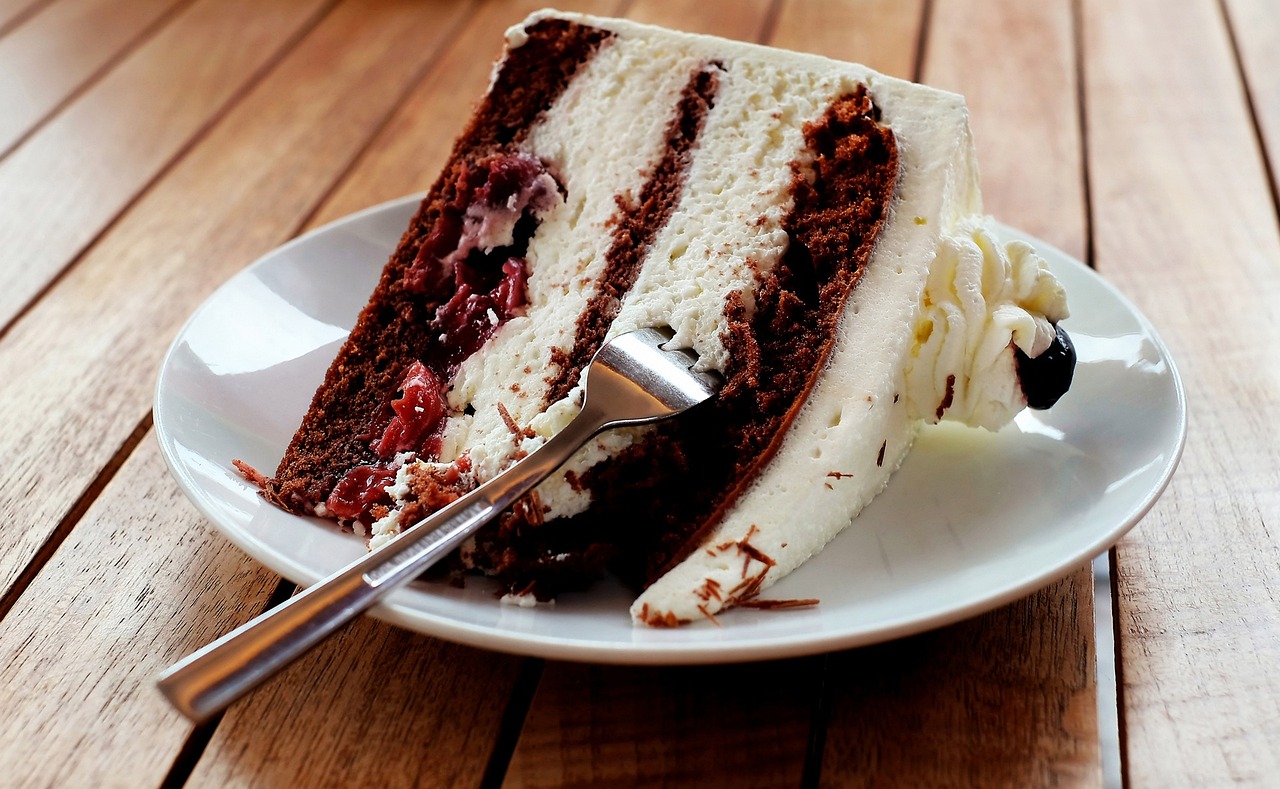
Are you ready to infuse your holiday season with the rich, aromatic flavors of the Caribbean? Look no further! This year, we’re diving into a beloved festive tradition with our detailed Recipe Jamaican Christmas Cake. Often called “black cake” due to its dark, luscious color, this isn’t just a dessert; it’s a celebration in every slice. Forget intimidating baking projects – we’ve designed this guide to be one of the most easy baking recipes you’ll tackle, even if you’re a complete novice. We’ll walk you through every step, providing essential baking tips for beginners to ensure your cake turns out perfectly moist, fragrant, and utterly delicious. Get ready to create a masterpiece that will impress your family and friends, becoming a cherished part of your holiday spread for years to come!
What Makes Jamaican Christmas Cake So Special?
Unlike traditional fruitcakes you might be familiar with, Jamaican Christmas Cake gets its distinctive deep color and complex flavor from a medley of dried fruits (prunes, raisins, currants, cherries) that have been soaking for weeks, or even months, in a potent mix of dark rum and port wine. This soaking process is key, infusing the fruits with incredible moisture and taste. Combined with a rich batter spiced with cinnamon, nutmeg, and allspice, and often darkened further with browning sauce, the result is an intensely flavorful, dense, and moist cake that truly embodies the spirit of Caribbean festivity.
Ingredients You’ll Need for Your Jamaican Christmas Cake
Before we begin, ensure all your ingredients are at room temperature unless otherwise specified. This helps them combine more smoothly.
| Ingredient | Quantity | Unit |
|---|---|---|
| Mixed Dried Fruit (prunes, raisins, currants, glace cherries, chopped) | 2 | lbs |
| Dark Rum (for soaking + feeding) | 3 | cups |
| Port Wine (for soaking + feeding) | 1 | cup |
| All-Purpose Flour | 3 | cups |
| Baking Powder | 1 | tsp |
| Ground Cinnamon | 1 | tsp |
| Ground Nutmeg | 1/2 | tsp |
| Ground Allspice | 1/2 | tsp |
| Salt | 1/2 | tsp |
| Unsalted Butter (softened) | 1 | lb (4 sticks) |
| Granulated Sugar | 1 ½ | cups |
| Large Eggs | 6 | |
| Vanilla Extract | 2 | tsp |
| Almond Extract | 1 | tsp |
| Browning Sauce (optional, for deeper color) | 2-3 | tbsp |
| Lime or Lemon Zest | 1 | tbsp |
Step-by-Step Instructions: Baking Your Perfect Jamaican Christmas Cake
Patience and attention to detail are your best friends here. Don’t rush, and enjoy the process!
Phase 1: Fruit Preparation (The Soaking Magic)
- Start Early (Ideally Weeks or Months Ahead): This is the secret to an authentic Jamaican Christmas Cake! Combine your 2 lbs of mixed dried fruits (prunes, raisins, currants, glace cherries) in a large, airtight glass jar or container.
- Add the Spirits: Pour 2 cups of dark rum and 1 cup of port wine over the fruits. Ensure the fruits are fully submerged. If not, add a little more rum until they are.
- Seal and Store: Seal the container tightly and store it in a cool, dark place. Give it a gentle shake every few days to redistribute the liquid. The longer the fruits soak, the more flavorful and moist your cake will be. For best results, aim for at least 2 weeks, but a month or even several months is ideal!
- Day of Baking: On the day you plan to bake, drain any excess liquid from the soaked fruits, reserving the liquid. You’ll use some of the fruit later, and the reserved liquid can be used to “feed” the cake after baking.
Phase 2: Preparing Your Dry Ingredients
- Preheat Your Oven: Preheat your oven to 300°F (150°C). This cake bakes slowly at a lower temperature to prevent drying out and ensure even cooking.
- Prepare Your Pan: Grease and flour a 10-inch round springform pan or a 9×13 inch rectangular baking pan. For extra protection against sticking and for easy removal, you can also line the bottom with parchment paper. If using a springform pan, wrap the outside of the base in foil to prevent any leaks during baking.
- Sift Dry Ingredients: In a medium bowl, whisk together the 3 cups of all-purpose flour, 1 teaspoon of baking powder, 1 teaspoon of ground cinnamon, 1/2 teaspoon of ground nutmeg, 1/2 teaspoon of ground allspice, and 1/2 teaspoon of salt. Sifting helps to aerate the flour and remove any lumps, resulting in a lighter cake texture. Set aside.
Phase 3: Mixing the Wet Ingredients and Assembling the Batter
- Cream Butter and Sugar: In a very large mixing bowl (or the bowl of a stand mixer fitted with the paddle attachment), cream together the 1 lb (4 sticks) of softened unsalted butter and 1 ½ cups of granulated sugar. Beat on medium speed until the mixture is light, fluffy, and pale in color. This usually takes about 5-7 minutes with an electric mixer. Scrape down the sides of the bowl frequently to ensure even mixing. Beginner Tip: Softened butter should yield slightly when pressed but not be melted.
- Add Eggs Gradually: Add the 6 large eggs, one at a time, beating well after each addition until fully incorporated. If the mixture looks a little curdled, don’t worry, it will come together as you add the dry ingredients.
- Stir in Extracts and Zest: Mix in 2 teaspoons of vanilla extract, 1 teaspoon of almond extract, and 1 tablespoon of lime or lemon zest. These add layers of flavor.
- Incorporate Browning Sauce (Optional but Recommended): If using, stir in 2-3 tablespoons of browning sauce. This ingredient is key to achieving the cake’s characteristic dark color and adds a subtle, rich flavor. Start with 2 tablespoons and add more if you desire a deeper color.
- Add Soaked Fruits: Stir in your drained, soaked mixed dried fruits. Mix until they are evenly distributed throughout the wet ingredients.
- Combine Wet and Dry Ingredients: Gradually add the dry ingredient mixture to the wet mixture, a third at a time, mixing on low speed or by hand with a spatula until just combined. Critical Beginner Tip: Do not overmix! Overmixing develops the gluten in the flour, which can lead to a tough, dry cake. Mix only until no streaks of flour remain.
Phase 4: Baking Your Cake
- Pour into Pan: Pour the cake batter into your prepared baking pan. Smooth the top with a spatula.
- Bake Slowly: Place the pan in the preheated oven. Bake for approximately 2 to 2.5 hours. The baking time can vary significantly depending on your oven and the pan size.
- Check for Doneness: To check if the cake is done, insert a clean wooden skewer or toothpick into the center of the cake. If it comes out clean or with moist crumbs attached (but not wet batter), the cake is ready. If it comes out wet, continue baking for another 10-15 minutes and check again.
- Cooling: Once baked, remove the cake from the oven and let it cool in the pan on a wire rack for at least 30 minutes before attempting to invert it. This allows the cake to firm up and prevents it from breaking.
- Invert and Cool Completely: Carefully invert the cake onto the wire rack, remove the pan, and peel off any parchment paper. Let the cake cool completely to room temperature. This is essential before the “feeding” process.
Phase 5: The “Feeding” Process (The Rum Drip)
- Prepare Feeding Liquid: Combine the remaining 1 cup of dark rum and any reserved liquid from the fruit soaking (if you have extra) in a small bowl.
- Feed the Cake: Once the cake is completely cool, use a skewer or fork to poke small holes all over the top surface. Slowly spoon or brush the rum mixture over the cake, allowing it to soak in. Repeat this process every few days or once a week for at least 1-2 weeks before serving, or longer for a more potent and moist cake. This “feeding” process is what gives the cake its incredible depth of flavor and keeps it moist for weeks.
- Store Properly: Wrap the fed cake tightly in plastic wrap, then in foil, and store it in an airtight container in a cool, dark place (like a pantry) or in the refrigerator.
Tips & Tricks for a Flawless Jamaican Christmas Cake
- Don’t Rush the Soaking: The longer the fruits soak, the deeper the flavor. If you’re short on time, try to soak them for at least 24-48 hours, but understand that the full richness comes with extended soaking.
- Room Temperature Ingredients: Ensure butter and eggs are at room temperature. This helps them emulsify properly, creating a smoother, more uniform batter and a finer crumb.
- Measure Accurately: Baking is a science! Use proper measuring cups for dry ingredients (levelled off) and liquid measuring cups for liquids. Don’t eyeball quantities.
- Avoid Overmixing: Once you add the flour, mix only until just combined. Overmixing develops gluten, leading to a tough, dry cake.
- Low and Slow Baking: The low oven temperature is crucial for this dense cake. It allows it to cook through without drying out the edges or burning the top.
- Patience with Cooling: Let the cake cool completely in the pan before inverting, and completely on the rack before feeding. A warm cake will absorb the rum differently and might crumble.
- Consistent Feeding: Regularly “feeding” the cake with rum or port not only enhances flavor but also acts as a preservative, keeping the cake moist for a long time.
- Storage is Key: Store your cake properly wrapped and in an airtight container to maintain its freshness and moisture.
- Experiment with Spirits: While dark rum and port are traditional, some bakers enjoy adding a splash of brandy or even sherry to their soaking mixture.
Essential Baking Tools for Your Jamaican Christmas Cake
Having the right tools makes all the difference, especially for beginners!
- Large Mixing Bowl (or Stand Mixer)
- Whisk
- 10-inch Round Springform Pan or 9×13 inch Rectangular Baking Pan
- Measuring Cups and Spoons
- Rubber Spatula
- Electric Mixer (Handheld or Stand Mixer)
- Wire Cooling Rack
- Parchment Paper
- Airtight Storage Container
- Wooden Skewer or Toothpick
Estimated Nutrition Information (per slice, approx. 1/16th of cake)
Please note: These are approximate values and can vary based on specific ingredient brands and preparation methods. This is a rich, dense cake, so enjoy it in moderation!
| Nutrient | Amount |
|---|---|
| Calories | 450-550 kcal |
| Carbohydrates | 60-75 g |
| Protein | 5-7 g |
| Fat | 20-28 g |
| Fiber | 3-5 g |
| Sugar | 40-55 g |
Frequently Asked Questions (FAQs)
Q1: Can I make this cake if I don’t drink alcohol? Are there non-alcoholic substitutes?
A1: Absolutely! While rum and port are traditional, you can substitute them with non-alcoholic options. For soaking fruits, use a mixture of grape juice, cranberry juice, or even strong black tea, along with a teaspoon of rum extract. For “feeding” the cake, use a simple syrup (equal parts sugar and water, simmered until sugar dissolves, then cooled) flavored with a little rum extract or fruit juice.
Q2: My cake seems too dry after baking. What went wrong?
A2: A dry cake is usually due to overbaking or not soaking the fruits long enough. Ensure your oven temperature is accurate (an oven thermometer can help!), and always check for doneness with a skewer. Remember, this cake benefits hugely from the “feeding” process, which will add a lot of moisture over time.
Q3: How far in advance can I make this cake?
A3: One of the best things about Jamaican Christmas Cake is that it tastes even better with age! You can bake it several weeks, or even a month or two, before Christmas. Just make sure to feed it regularly with rum/port and store it properly (tightly wrapped in plastic wrap and foil, in an airtight container in a cool, dark place).
Q4: Can I use different types of dried fruit?
A4: Yes, you can customize the fruit mixture to your liking! While prunes, raisins, currants, and glace cherries are traditional, feel free to add dried cranberries, apricots, figs, or even candied peel. Just ensure the total weight of the fruit remains around 2 lbs.
Q5: What is browning sauce, and do I really need it?
A5: Browning sauce (like Grace Browning or homemade burnt sugar syrup) is a dark, caramel-like liquid used in Caribbean cooking to add deep color and a subtle, slightly bitter-sweet flavor. While optional, it’s highly recommended for achieving the authentic dark hue of Jamaican Christmas Cake. You can usually find it in the international aisle of larger supermarkets or Caribbean grocery stores.
Q6: How should I store the cake after feeding it? Does it need to be refrigerated?
A6: If you’re feeding the cake regularly with alcohol, it acts as a preservative, so refrigeration isn’t strictly necessary for up to a month if stored in a cool, dark place. However, for longer storage or in very warm climates, refrigerating the tightly wrapped cake is a good idea. Always ensure it’s wrapped very well to prevent it from drying out.
Your Holiday Baking Adventure Starts Now!
Congratulations, aspiring baker! You’ve just embarked on a culinary journey to create a truly special and flavorful Jamaican Christmas Cake. Don’t be intimidated by the number of steps or the soaking time; each part contributes to the incredible depth and richness of this festive treat. Remember, baking is about joy, experimentation, and sharing delicious moments with loved ones. Even if it’s your very first time, follow these detailed instructions, embrace the process, and you’ll be rewarded with a cake that’s not just a dessert, but a piece of tradition and love.
Once your masterpiece is complete, slice it up, share its unique story, and watch the smiles light up. We can’t wait to hear about your baking success! Feel free to leave a comment below with your questions, tips, or photos of your beautiful Jamaican Christmas Cake. Happy baking and Happy Holidays!