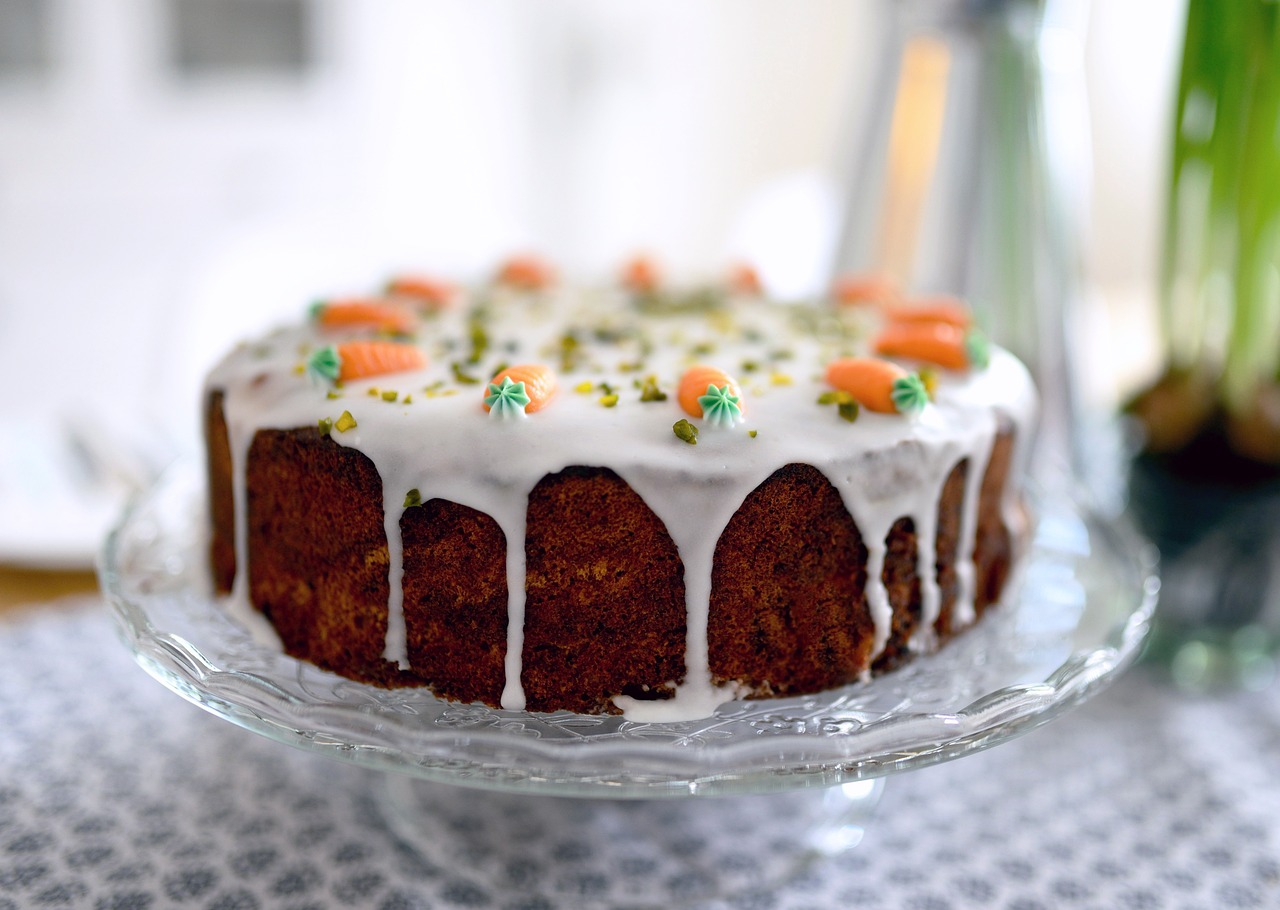
Welcome, aspiring bakers and sweet treat enthusiasts! If you’ve ever dreamt of filling your home with the irresistible aroma of freshly baked cake but felt intimidated by complex recipes, you’ve come to the right place. Today, we’re diving into the wonderful world of our Recipe Mini Loaf Cakes a delightful and incredibly simple baking project that’s perfect for anyone looking for easy baking recipes. These individual-sized cakes are not only adorable but also incredibly versatile, making them ideal for gifting, snack time, or a personal indulgence.
This post is packed with straightforward instructions and essential baking tips for beginners to ensure your first (or fiftieth!) batch turns out perfectly. We’ll walk through every step, demystifying common baking jargon and helping you avoid typical pitfalls. Get ready to build your baking confidence and create something truly delicious!
Gather Your Ingredients: What You’ll Need
Accuracy is key in baking, especially when you’re starting out. Make sure to measure all your ingredients carefully. We recommend using a kitchen scale for flour if you have one, but standard measuring cups work great too!
| Ingredient | Quantity | Unit |
|---|---|---|
| All-purpose flour | 1 ½ | cups |
| Granulated sugar | 1 | cup |
| Baking powder | 1 ½ | teaspoons |
| Salt | ½ | teaspoon |
| Unsalted butter, softened | ½ | cup (1 stick) |
| Large eggs | 2 | |
| Whole milk | ½ | cup |
| Vanilla extract | 1 | teaspoon |
| For the Simple Glaze (Optional) | ||
| Powdered sugar | 1 | cup |
| Milk or water | 2-3 | tablespoons |
| Vanilla extract | ¼ | teaspoon |
Step-by-Step Instructions: Your Path to Perfect Mini Loaf Cakes
Follow these steps closely, and you’ll be enjoying warm, fluffy mini loaf cakes in no time! Remember, baking is a science, but it’s also a lot of fun.
Step 1: Get Prepped and Preheat Your Oven
First things first, let’s get organized! Preheat your oven to 350°F (175°C). While it’s heating up, prepare your mini loaf pans. You’ll likely need 6-8 standard mini loaf cavities. Grease and flour each cavity thoroughly, or line them with paper liners designed for mini loaves. Greasing and flouring prevents sticking, which is crucial for easy removal and beautifully shaped cakes. Don’t skip this step!
Step 2: Combine Your Dry Ingredients
In a medium-sized mixing bowl, whisk together the all-purpose flour, granulated sugar, baking powder, and salt. Whisking ensures that the leavening agent (baking powder) and salt are evenly distributed throughout the flour, which will help your cakes rise uniformly and taste balanced. No one wants a bite of just baking powder!
Step 3: Cream the Butter and Sugar (The Foundation of Flavor)
In a large mixing bowl (or the bowl of a stand mixer), add your softened unsalted butter and granulated sugar. Using an electric mixer (handheld or stand mixer) fitted with the paddle attachment, beat them together on medium speed for 2-3 minutes. This process, called “creaming,” incorporates air into the butter and sugar mixture, which creates a light and fluffy texture in your finished cakes. Your butter should be soft enough to easily dent with your finger, but not melted. If it’s too cold, it won’t cream properly; if it’s melted, your cakes might be dense.
Step 4: Incorporate the Eggs and Vanilla
With the mixer still on medium speed, add the eggs one at a time, beating well after each addition. Scrape down the sides of the bowl with a rubber spatula to ensure everything is fully combined. Then, mix in the vanilla extract. Vanilla adds that classic comforting flavor that makes these cakes so irresistible. Make sure each egg is fully incorporated before adding the next to maintain the emulsion.
Step 5: Alternate Dry and Wet Ingredients (The Key to Tender Cakes)
This step is where many beginners can go wrong, but we’ll make it easy! With the mixer on low speed, you’re going to gradually add the dry ingredient mixture and the milk, alternating between the two. Start by adding about a third of the dry ingredients to the butter mixture, mixing just until combined. Then, pour in half of the milk, mixing until just incorporated. Repeat this process, finishing with the remaining dry ingredients. Always start and end with the dry ingredients.
Beginner Tip: The most important rule here is: DO NOT OVERMIX! Overmixing develops the gluten in the flour too much, leading to tough, chewy cakes instead of light, tender ones. Mix only until the flour streaks disappear.
Step 6: Fill Your Loaf Pans
Divide the batter evenly among your prepared mini loaf cavities. A handy trick is to use an ice cream scoop or a large spoon. Fill each cavity about two-thirds full. This leaves enough room for the cakes to rise without overflowing. Gently tap the pans on your counter a few times to release any large air bubbles.
Step 7: Bake to Golden Perfection
Carefully transfer the mini loaf pans to your preheated oven. Bake for 20-25 minutes, or until a wooden skewer or toothpick inserted into the center of a cake comes out clean. If you see wet batter, bake for a few more minutes. Avoid opening the oven door too frequently during baking, especially in the first 15 minutes, as this can cause the cakes to sink.
Step 8: Cool and Glaze (Optional)
Once baked, remove the pans from the oven and let the cakes cool in the pans for about 5-10 minutes. This allows them to firm up slightly before you attempt to remove them. Then, carefully invert the cakes onto a wire cooling rack to cool completely. Cooling completely before glazing or frosting is essential; otherwise, your glaze will melt and run off.
For the Glaze: In a small bowl, whisk together the powdered sugar, milk (or water), and vanilla extract until smooth and pourable. If it’s too thick, add a tiny bit more liquid; if too thin, add more powdered sugar. Drizzle the glaze over the completely cooled mini loaf cakes. Let the glaze set before serving.
Tips & Tricks for Baking Success
Baking can seem daunting, but these simple tips will help you master these mini loaf cakes and many other recipes!
- Room Temperature Ingredients: This is a big one! Eggs, butter, and milk should all be at room temperature. This allows them to emulsify better, creating a smoother batter and a more uniform, tender crumb. Plan ahead and take them out of the fridge an hour or two before you start.
- Measure Accurately: Especially for flour! Don’t scoop flour directly from the bag with your measuring cup, as this compacts it and you’ll end up with too much. Instead, fluff the flour with a spoon, then spoon it into your measuring cup and level it off with the back of a knife.
- Don’t Overmix: We can’t stress this enough! Mix just until the ingredients are combined. Overmixing develops gluten, which leads to tough, dry cakes.
- Know Your Oven: Ovens can vary wildly in temperature. Consider getting an oven thermometer to ensure your oven is truly at the temperature you set. This can prevent over or under-baking.
- Proper Cooling: Let cakes cool completely on a wire rack. This prevents the bottom from becoming soggy and allows the internal structure to set.
- Customization is Fun: Feel free to add mix-ins! A handful of chocolate chips, blueberries (tossed in a little flour first to prevent sinking), or lemon zest can transform these cakes.
- Storage: Store your mini loaf cakes in an airtight container at room temperature for up to 3-4 days. If glazed, they might last better in the fridge, but bring them to room temperature before serving for the best texture.
Essential Baking Tools You’ll Love
Having the right tools makes all the difference! Here are some basics that will set you up for success:
- Mixing Bowls (various sizes are helpful!)
- Whisk (for dry ingredients and glazes)
- Mini Loaf Baking Pan (the star of the show!)
- Measuring Cups and Spoons (accuracy is key!)
- Rubber Spatula (for scraping bowls and folding)
- Electric Mixer (handheld or stand mixer will make creaming butter and sugar much easier)
- Wire Cooling Rack (essential for preventing soggy bottoms)
Nutrition Information (Approximate Per Mini Loaf Cake)
Please note that this nutrition information is an estimate and can vary based on exact ingredients, brands, and portion sizes. It does not include the optional glaze.
| Nutrient | Per Mini Loaf (approx.) |
|---|---|
| Calories | 320 kcal |
| Carbohydrates | 48g |
| Protein | 4g |
| Fat | 14g |
| Fiber | 1g |
| Sugar | 30g |
Frequently Asked Questions (FAQs) for Beginner Bakers
Q1: My cakes came out dry. What went wrong?
A: Dry cakes are usually a sign of two things: overmixing the batter (which develops too much gluten, making cakes tough and dry) or overbaking (baking them too long dries out the moisture). Always mix just until the ingredients are combined and check for doneness with a toothpick at the earlier end of the baking time.
Q2: How do I know if my butter is softened enough but not melted?
A: Softened butter should yield easily when you gently press it with your finger, leaving a slight indentation. It should still hold its shape, not be greasy or shiny. If it’s too cold, it won’t cream properly; if it’s melted, your cakes might become dense and greasy.
Q3: Can I use a regular muffin tin instead of a mini loaf pan?
A: Yes, you can! The baking time will need to be adjusted. Standard muffins typically bake for 18-22 minutes. Keep an eye on them and use the toothpick test. The yield might also change depending on the size of your muffin cups.
Q4: My cakes sank in the middle! What caused this?
A: Several factors can cause a cake to sink: opening the oven door too early (especially in the first 15-20 minutes, which causes a sudden temperature drop), using too much leavening agent (baking powder), not baking the cake long enough, or expired baking powder. Make sure your baking powder is fresh!
Q5: How long do these mini loaf cakes stay fresh?
A: When stored in an airtight container at room temperature, these mini loaf cakes will stay fresh and moist for 3-4 days. If you’ve added a glaze, they might keep a bit longer in the refrigerator, but it’s best to bring them back to room temperature before serving for optimal texture.
Ready to Bake? Your Sweet Adventure Awaits!
There you have it – a comprehensive, beginner-friendly guide to making absolutely delicious Recipe Mini Loaf Cakes. We hope this detailed recipe and all the accompanying baking tips for beginners empower you to step into the kitchen with confidence. Baking is a rewarding experience, and there’s nothing quite like the pride of sharing homemade treats with loved ones.
Don’t be afraid to try, experiment, and most importantly, have fun! If you bake these mini loaf cakes, we’d love to hear about your experience. Share your creations and let us know how they turned out in the comments below. Happy baking!