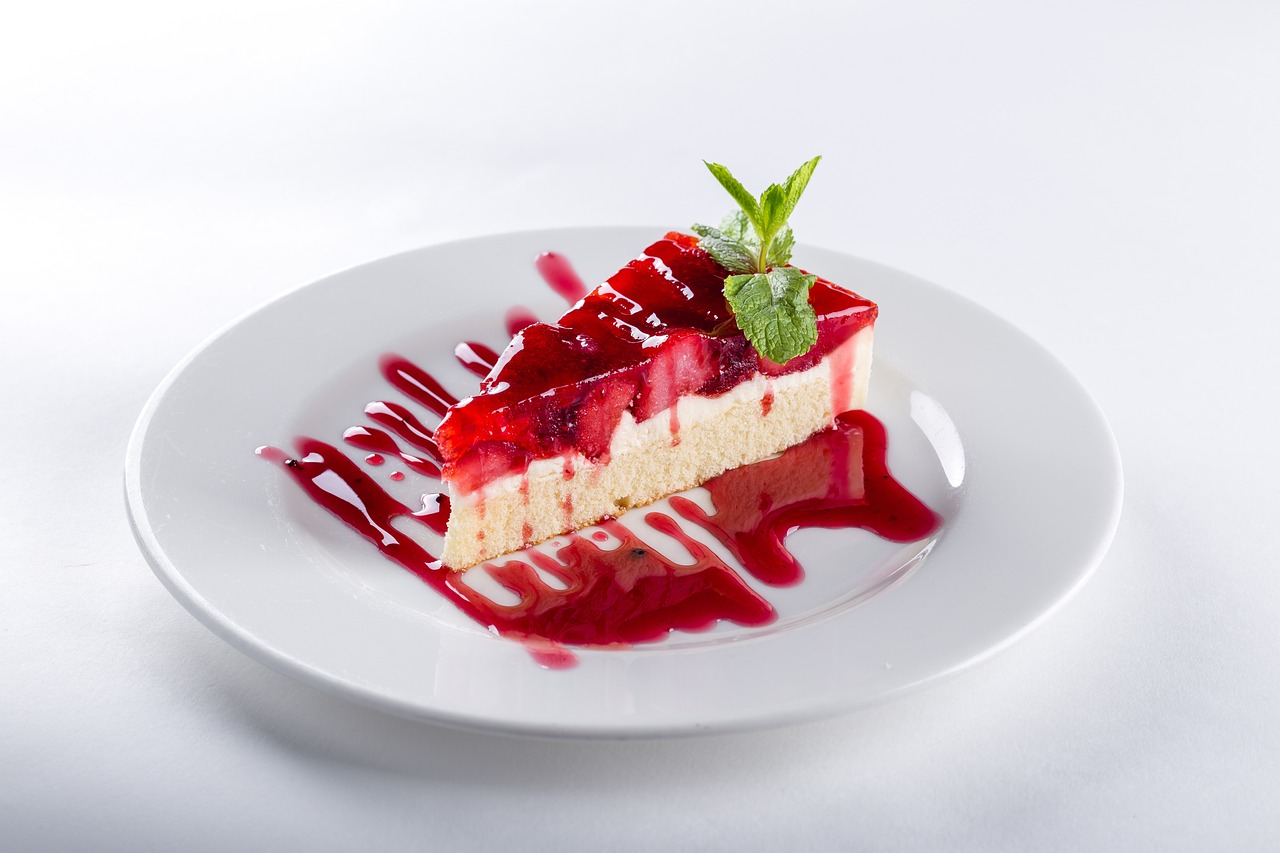
Welcome, aspiring bakers and dessert enthusiasts! Are you dreaming of a tropical escape, but your passport is gathering dust. Well, grab your apron instead, because today we’re bringing the sunshine straight to your kitchen with our incredible Recipe Pina Colada Cake. This isn’t just any cake; it’s a moist, flavorful masterpiece bursting with pineapple and coconut, topped with a dreamy cream cheese frosting.
Perfect for those looking for easy baking recipes that deliver maximum impact, this guide is packed with all the baking tips for beginners you’ll need to succeed. Forget complicated techniques – we’ll walk you through every step, ensuring your first (or fiftieth!) Pina Colada Cake is nothing short of spectacular. Get ready to impress your taste buds and your friends!
Gather Your Tropical Treasures: Ingredients List
Before we dive into the deliciousness, let’s make sure you have all your ingredients ready. Room temperature ingredients are often key for a smooth batter, so plan ahead!
For the Pina Colada Cake Layers:
| Ingredient | Quantity |
|---|---|
| All-Purpose Flour | 2 ½ cups |
| Granulated Sugar | 1 ¾ cups |
| Baking Powder | 1 tablespoon |
| Salt | ½ teaspoon |
| Unsalted Butter, softened | ½ cup (1 stick) |
| Large Eggs, room temperature | 3 |
| Vanilla Extract | 2 teaspoons |
| Canned Crushed Pineapple, undrained | 1 (20-ounce) can |
| Unsweetened Shredded Coconut | 1 cup |
| Buttermilk, room temperature | 1 cup |
For the Pineapple Coconut Filling:
| Ingredient | Quantity |
|---|---|
| Cream Cheese, softened | 4 ounces |
| Powdered Sugar | ½ cup |
| Heavy Whipping Cream, cold | 1 cup |
| Canned Crushed Pineapple, very well drained | ½ cup |
| Shredded Coconut, toasted (optional) | ¼ cup |
For the Cream Cheese Frosting:
| Ingredient | Quantity |
|---|---|
| Cream Cheese, softened | 8 ounces (1 block) |
| Unsalted Butter, softened | ½ cup (1 stick) |
| Powdered Sugar, sifted | 3-4 cups (depending on desired sweetness/consistency) |
| Vanilla Extract | 1 teaspoon |
| Coconut Extract (optional, but highly recommended!) | ½ teaspoon |
| Milk or Heavy Cream | 1-2 tablespoons (if needed for consistency) |
Step-by-Step Instructions: Your Path to Pina Colada Perfection
Follow these detailed steps, and you’ll be enjoying a slice of tropical heaven in no time. Remember, baking is a science, but don’t be afraid to have fun!
Part 1: Preparing the Pina Colada Cake Layers
- Preheat and Prep: Start by preheating your oven to 350°F (175°C). This ensures a consistent baking temperature from the moment your cake goes in. Grease and flour two 9-inch round cake pans. You can also line the bottoms with parchment paper for extra insurance against sticking. This small step makes a huge difference in getting your cakes out cleanly!
- Combine Dry Ingredients: In a large mixing bowl, whisk together the all-purpose flour, granulated sugar, baking powder, and salt. Whisking ensures everything is evenly distributed, so you don’t end up with pockets of unmixed ingredients.
- Cream Butter and Sugar: In a separate, even larger bowl (or the bowl of a stand mixer), cream the softened unsalted butter and the remaining granulated sugar together on medium speed until the mixture is light, fluffy, and pale yellow. This process incorporates air into the butter, which gives your cake a lovely tender crumb. Scrape down the sides of the bowl frequently.
- Add Eggs and Extracts: Beat in the large eggs, one at a time, mixing well after each addition until fully incorporated. Then, stir in the vanilla extract.
- Alternate Wet and Dry: Now for the magic! Gradually add the dry ingredient mixture to the wet ingredients, alternating with the buttermilk. Start and end with the dry ingredients. For example, add about a third of the flour mixture, mix until just combined, then half the buttermilk, mix, another third of flour, mix, the rest of the buttermilk, mix, and finally the last third of flour, mixing until *just* combined. Important beginner tip: Do not overmix! Overmixing develops the gluten in the flour too much, leading to a tough, dry cake.
- Fold in Pineapple and Coconut: Gently fold in the undrained crushed pineapple and the unsweetened shredded coconut using a spatula. Folding helps to distribute these delicate ingredients without deflating all the air you’ve built into your batter.
- Bake the Layers: Divide the batter evenly between your two prepared cake pans. Bake for 30-35 minutes, or until a wooden skewer or toothpick inserted into the center comes out clean. The cakes should be golden brown and spring back when lightly touched.
- Cooling Time: Once baked, let the cakes cool in their pans on a wire rack for 10-15 minutes. This allows them to firm up slightly. Then, carefully invert them onto the wire rack to cool completely. Never frost a warm cake! The frosting will melt and slide right off.
Part 2: Crafting the Pineapple Coconut Filling
- Whip the Cream Cheese: In a medium bowl, beat the softened cream cheese until smooth and creamy.
- Add Powdered Sugar: Gradually add the powdered sugar and beat until well combined and smooth.
- Whip the Heavy Cream: In a separate, chilled bowl, whip the cold heavy whipping cream until stiff peaks form. Stiff peaks mean that when you lift the whisk, the cream holds its shape.
- Combine and Fold: Gently fold the whipped cream into the cream cheese mixture. Then, carefully fold in the very well-drained crushed pineapple and the toasted shredded coconut (if using). Draining the pineapple extra well is crucial here, as too much liquid will make your filling runny.
- Chill: Cover and refrigerate the filling until ready to assemble the cake.
Part 3: Whipping Up the Cream Cheese Frosting
- Cream Butter and Cream Cheese: In a large bowl (or stand mixer), beat the softened cream cheese and softened unsalted butter together on medium speed until very smooth and creamy, about 2-3 minutes. Make sure there are no lumps of cream cheese.
- Add Powdered Sugar: Gradually add the sifted powdered sugar, one cup at a time, beating on low speed until combined, then increasing to medium speed until smooth. Sifting the powdered sugar is important to prevent lumps in your frosting.
- Flavor It Up: Beat in the vanilla extract and the coconut extract (if using). The coconut extract really enhances the Pina Colada flavor!
- Adjust Consistency: If the frosting is too thick, add milk or heavy cream, 1 tablespoon at a time, until you reach your desired spreading consistency. If it’s too thin, you can add a little more sifted powdered sugar.
Part 4: Assembling Your Tropical Masterpiece
- Level the Cakes (Optional but Recommended): If your cake layers have a domed top, use a serrated knife to carefully level them. This creates a more stable and professional-looking cake.
- First Layer: Place one cooled cake layer on your serving plate or cake stand.
- Add Filling: Spread the pineapple coconut filling evenly over the first cake layer, leaving a small border around the edge.
- Second Layer: Carefully place the second cake layer on top of the filling.
- Crumb Coat: Apply a thin layer of the cream cheese frosting all over the cake (top and sides). This is called a “crumb coat” and it traps any loose crumbs, preventing them from getting into your final frosting layer.
- Chill the Crumb Coat: Refrigerate the cake for 15-20 minutes to allow the crumb coat to set. This step is crucial for a smooth final frosting.
- Final Frosting: Once the crumb coat is firm, apply the remaining cream cheese frosting generously over the entire cake. You can use an offset spatula for smooth sides or create pretty swirls on top.
- Decorate (Optional): Garnish with additional shredded coconut (toasted or untoasted), fresh pineapple wedges, or maraschino cherries for that classic Pina Colada look.
- Serve and Enjoy: Slice and serve! Store any leftover cake in an airtight container in the refrigerator.
Tips & Tricks for Beginner Bakers
Baking can seem intimidating, but with a few simple tricks, you’ll be baking like a pro in no time!
- Room Temperature Ingredients are Key: For butter, eggs, and cream cheese, this means taking them out of the fridge at least 30-60 minutes before you start. Room temperature butter creams better, incorporating more air, and room temperature eggs emulsify more easily, leading to a smoother batter.
- Measure Accurately: Baking is a science! Use proper measuring cups and spoons. For flour, spoon it into your measuring cup and then level it off with a straight edge (like the back of a knife) – don’t scoop directly from the bag, as this can compact the flour and lead to using too much.
- Don’t Overmix: Once you add the flour to your wet ingredients, mix only until just combined. Overmixing develops gluten, which can make your cake tough and dry.
- Patience with Cooling: Resist the urge to frost a warm cake! It will melt your beautiful frosting. Let your cakes cool completely on a wire rack.
- Sift Powdered Sugar: Especially for frosting, sifting powdered sugar before adding it will prevent lumps and ensure a silky-smooth consistency.
- Grease and Flour Properly: Don’t skimp on greasing and flouring your pans. It’s your insurance policy against a stuck cake. For extra confidence, you can also line the bottom with parchment paper.
- Know Your Oven: Ovens can vary. If you find your cakes are baking too fast or too slow, consider investing in an oven thermometer to ensure your oven’s temperature matches what you set.
- Drain Pineapple Well: For the filling, ensure your crushed pineapple is *very* well drained. Excess moisture can make your filling runny and difficult to work with. Press it against a fine-mesh sieve or squeeze it in paper towels.
Essential Baking Tools for Your Kitchen
Having the right tools makes all the difference! Here are a few essentials that will help you create this cake and many more delicious treats.
- Mixing Bowl Set
- Whisk
- Round Cake Pans (9-inch)
- Measuring Cups and Spoons Set
- Rubber Spatula
- Electric Mixer (Handheld or Stand Mixer)
- Wire Cooling Rack
- Parchment Paper
- Offset Spatula (for frosting)
Nutrition Information (Estimated Per Serving)
Indulge responsibly! Please note that these values are estimates and can vary based on specific brands and exact quantities used.
| Nutrient | Amount (per 1/12th of cake) |
|---|---|
| Calories | ~550-650 kcal |
| Carbohydrates | ~80-95g |
| Protein | ~5-7g |
| Fat | ~25-35g |
| Fiber | ~2-3g |
| Sugar | ~60-75g |
Frequently Asked Questions for Beginner Bakers
Q1: Can I use fresh pineapple instead of canned?
A: While fresh pineapple has a wonderful flavor, it contains enzymes that can sometimes prevent cakes from setting properly or make them bitter if not cooked first. For this recipe, especially for beginners, **canned crushed pineapple (undrained for the cake, well-drained for the filling)** is highly recommended as it’s already processed to neutralize these enzymes and provides consistent moisture.
Q2: Why did my cake sink in the middle?
A: This is a common issue for beginners! It can happen for several reasons: opening the oven door too early (letting cold air in), overmixing the batter, using too much leavening agent (baking powder), or the oven temperature being too low. Ensure your oven is preheated, don’t open the door until near the end of baking, and measure ingredients accurately.
Q3: How do I store this Pina Colada Cake?
A: Because of the cream cheese in both the filling and frosting, this cake **must be stored in the refrigerator**. Keep it in an airtight cake carrier or covered loosely with plastic wrap. It will stay fresh for 3-4 days. For best flavor, let it sit at room temperature for 15-20 minutes before serving.
Q4: Can I make this cake dairy-free or gluten-free?
A: Adapting this recipe for dairy-free or gluten-free diets would require significant substitutions and adjustments, which might be challenging for a beginner. For dairy-free, you’d need plant-based butter, milk, and cream cheese. For gluten-free, a 1:1 gluten-free baking flour blend would be needed. While possible, results may vary, and it’s recommended to gain confidence with the original recipe first before experimenting.
Q5: My frosting is too runny/too stiff, what should I do?
A: If your frosting is too runny, it might be that your cream cheese or butter was too warm, or you added too much liquid. Try adding a little more sifted powdered sugar (1/4 cup at a time) until it thickens. If it’s too stiff, add milk or heavy cream (1 teaspoon at a time) until it reaches your desired spreading consistency. Remember, slight temperature changes can affect consistency!
Your Tropical Baking Adventure Awaits!
And there you have it! Your very own Recipe Pina Colada Cake, a delightful taste of the tropics brought to life right in your kitchen. We hope this detailed, beginner-friendly guide has given you the confidence and inspiration to tackle this delicious project. Remember, every great baker started somewhere, and every cake is a learning experience. Don’t be afraid to experiment, have fun, and most importantly, enjoy the process (and the delicious results!). We’d love to hear how your cake turned out – share your creations and any questions in the comments below. Happy baking!