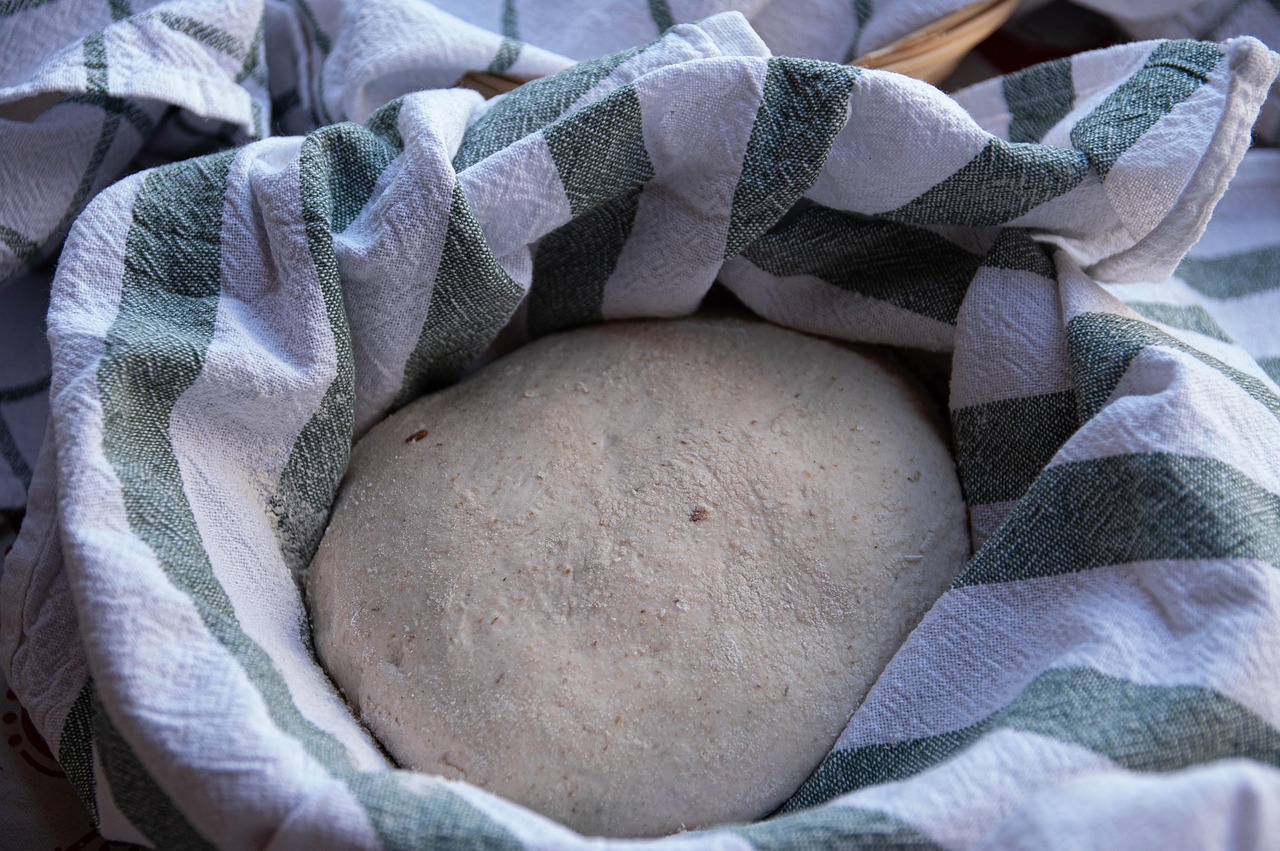
Ever dreamt of the smell of freshly baked bread filling your kitchen, but felt intimidated by yeast, kneading, and proofing times? Well, today, that dream becomes a delicious reality with our incredible Recipe Self Rising Flour Bread! This isn’t just any bread recipe; it’s a game-changer for anyone dipping their toes into the world of easy baking recipes.
We’re going to prove that you don’t need years of experience to pull off a truly delightful loaf. This recipe is designed with baking tips for beginners in mind, guiding you every step of the way to a perfectly soft, tender, and utterly satisfying bread. Get ready to impress yourself and everyone else with minimal effort and maximum flavor!
The Magic of Self-Rising Flour
Before we dive in, let’s quickly chat about self-rising flour. It’s truly a secret weapon for busy bakers! This special flour comes pre-mixed with a leavening agent (baking powder) and a touch of salt. This means you don’t need to measure out separate leaveners, simplifying your ingredient list and reducing the chances of errors. It’s perfect for quick breads, biscuits, and, as you’re about to discover, incredibly simple loaves of bread!
Simple & Delicious Self-Rising Flour Bread Ingredients
Gather your ingredients! You’ll be amazed at how few you need for such a fantastic result.
| Ingredient | Quantity | Unit |
|---|---|---|
| Self-Rising Flour | 3 | cups |
| Whole Milk | 1 ½ | cups |
| Unsalted Butter, melted | 4 | tablespoons |
| Granulated Sugar (optional, for a hint of sweetness) | 1 | tablespoon |
Step-by-Step Instructions: Baking Your First Loaf
Follow these detailed steps, and you’ll have a beautiful loaf of bread in no time!
Step 1: Preheat Your Oven & Prepare Your Pan
First things first, let’s get that oven ready. Preheat your oven to 375°F (190°C). While it’s heating, grab a standard 9×5-inch loaf pan. You’ll want to either lightly grease it with butter or cooking spray, or line it with parchment paper, leaving an overhang on the long sides. This makes it super easy to lift your baked bread out later. Beginner Tip: Parchment paper is your best friend for preventing sticking!
Step 2: Melt the Butter
In a small microwave-safe bowl or a saucepan on the stovetop, melt your 4 tablespoons of unsalted butter. Let it cool slightly while you prepare the other ingredients. You don’t want to add scorching hot butter to your flour mixture.
Step 3: Combine Dry Ingredients (If Using Sugar)
If you’re opting for a slightly sweeter loaf, now’s the time to add the sugar. In a large mixing bowl, measure out your 3 cups of self-rising flour. If you’re using sugar, add the 1 tablespoon of granulated sugar to the flour. Give it a quick whisk with a fork or a whisk to combine them evenly. Common Mistake Alert: Don’t add extra salt unless your self-rising flour specifically states it has no salt, which is rare. Self-rising flour already contains salt!
Step 4: Add Wet Ingredients
Now, pour the 1 ½ cups of whole milk into the bowl with the flour mixture. Add the slightly cooled melted butter. Using a spatula or a wooden spoon, gently mix the ingredients together. Crucial Beginner Tip: Mix just until the flour is moistened and no dry streaks remain. Do NOT overmix! Overmixing develops the gluten in the flour too much, which can lead to a tough, dense bread instead of a light, tender one. A few lumps are perfectly fine!
Alternative: If you don’t have whole milk, 2% milk will work, though whole milk offers a richer flavor and texture. For an extra tangy flavor, you can even use buttermilk! If using buttermilk, you might find the dough slightly thicker, but it will still bake beautifully.
Step 5: Transfer to Loaf Pan
Spoon the bread dough into your prepared 9×5-inch loaf pan. Use your spatula to spread it evenly and smooth the top. You can give the pan a gentle tap on the counter a few times to help settle the batter and release any large air bubbles.
Step 6: Bake Your Bread
Place the loaf pan in your preheated oven. Bake for approximately 40-50 minutes. The exact baking time can vary depending on your oven, so keep an eye on it. The bread is done when it’s beautifully golden brown on top, and a wooden skewer or toothpick inserted into the center comes out clean. If you have an instant-read thermometer, the internal temperature should read around 200-210°F (93-99°C). Common Mistake Alert: Don’t open the oven door too frequently during the first 30 minutes, as this can cause the bread to sink.
Step 7: Cool and Serve
Once baked, carefully remove the loaf pan from the oven. Let the bread cool in the pan for about 10-15 minutes. This allows it to set up and makes it easier to remove. After 10-15 minutes, use the parchment paper overhang or a knife around the edges to carefully lift the bread out of the pan and transfer it to a wire rack to cool completely. Slicing it while it’s still hot can make it gummy and difficult to cut cleanly. Once cooled, slice and enjoy! It’s fantastic with butter, jam, or simply on its own.
Tips & Tricks for Self-Rising Flour Bread Success
- Don’t Overmix: This is the golden rule for quick breads! Mix only until the ingredients are just combined. A few lumps are okay; overmixing leads to tough bread.
- Room Temperature Ingredients: While not strictly necessary for this super simple recipe, having your milk closer to room temperature can help everything combine more smoothly and potentially result in a slightly better texture.
- Check Your Flour: Ensure your self-rising flour isn’t expired. The leavening agents lose potency over time, which can result in a flat loaf.
- Customize Your Loaf: Want to get fancy? You can add mix-ins! Try a ½ cup of shredded cheddar cheese and a pinch of black pepper for a savory loaf, or a ½ cup of dried cranberries and a teaspoon of orange zest for a sweet treat. Add these with the dry ingredients.
- Golden Brown Top: If your bread is browning too quickly on top but isn’t cooked through, you can loosely tent it with aluminum foil for the last 10-15 minutes of baking.
- Storage: Store your cooled bread in an airtight container or wrapped tightly in plastic wrap at room temperature for up to 3-4 days. For longer storage, slice the bread and freeze it in a freezer-safe bag for up to 2-3 months.
Essential Baking Tools
Having the right tools makes baking even easier!
- Mixing Bowl
- Whisk (or a fork)
- 9×5-inch Loaf Pan
- Measuring Cups
- Spatula or Wooden Spoon
- Wire Cooling Rack (optional, but recommended)
Nutrition Info (Estimated per serving, 1/12 of loaf)
Please note: These are estimated values and can vary based on exact ingredients and portion sizes.
| Nutrient | Amount |
|---|---|
| Calories | 180 kcal |
| Carbohydrates | 28 g |
| Protein | 5 g |
| Fat | 5 g |
| Fiber | 1 g |
| Sugar | 3 g |
Frequently Asked Questions (FAQs) for Beginner Bakers
Q1: Can I make this bread without milk?
A1: Milk provides richness and helps with the tender texture. While you *could* technically substitute with water, the bread might be less flavorful and have a slightly tougher crumb. For best results, stick to milk or a non-dairy milk alternative like almond or soy milk, though the texture might vary slightly.
Q2: My bread didn’t rise much. What went wrong?
A2: The most common culprits are expired self-rising flour (the leavening agents lose potency), overmixing the dough (which can deflate the bubbles), or an oven that isn’t at the correct temperature. Ensure your flour is fresh and follow the mixing instructions carefully.
Q3: Can I add extra ingredients like cheese or herbs?
A3: Absolutely! This recipe is very versatile. For savory additions like shredded cheese, chopped herbs (rosemary, thyme), or garlic powder, add about ½ cup to the dry ingredients. For sweet additions like dried fruit, nuts, or chocolate chips, also add about ½ cup to the dry ingredients before adding the wet components.
Q4: How do I know when the bread is fully cooked?
A4: Look for a deep golden-brown crust. The most reliable test is to insert a wooden skewer or toothpick into the center; it should come out clean, without any wet batter clinging to it. An instant-read thermometer should register 200-210°F (93-99°C) in the center.
Q5: Why is my bread dense or tough?
A5: Overmixing is almost always the reason for dense or tough quick breads. Remember to mix just until the flour streaks disappear and no more. The goal is to hydrate the flour, not to develop the gluten like you would with yeast bread.
Conclusion: Your Baking Journey Starts Now!
Congratulations, you’ve just unlocked the secret to incredibly easy and delicious homemade bread! This Recipe Self Rising Flour Bread is more than just a recipe; it’s an invitation to explore the joys of baking without the stress. We hope these baking tips for beginners have empowered you to step into the kitchen with confidence. Don’t be afraid to experiment with flavors, share your creations, and most importantly, savor every single slice of your homemade masterpiece. Happy baking!