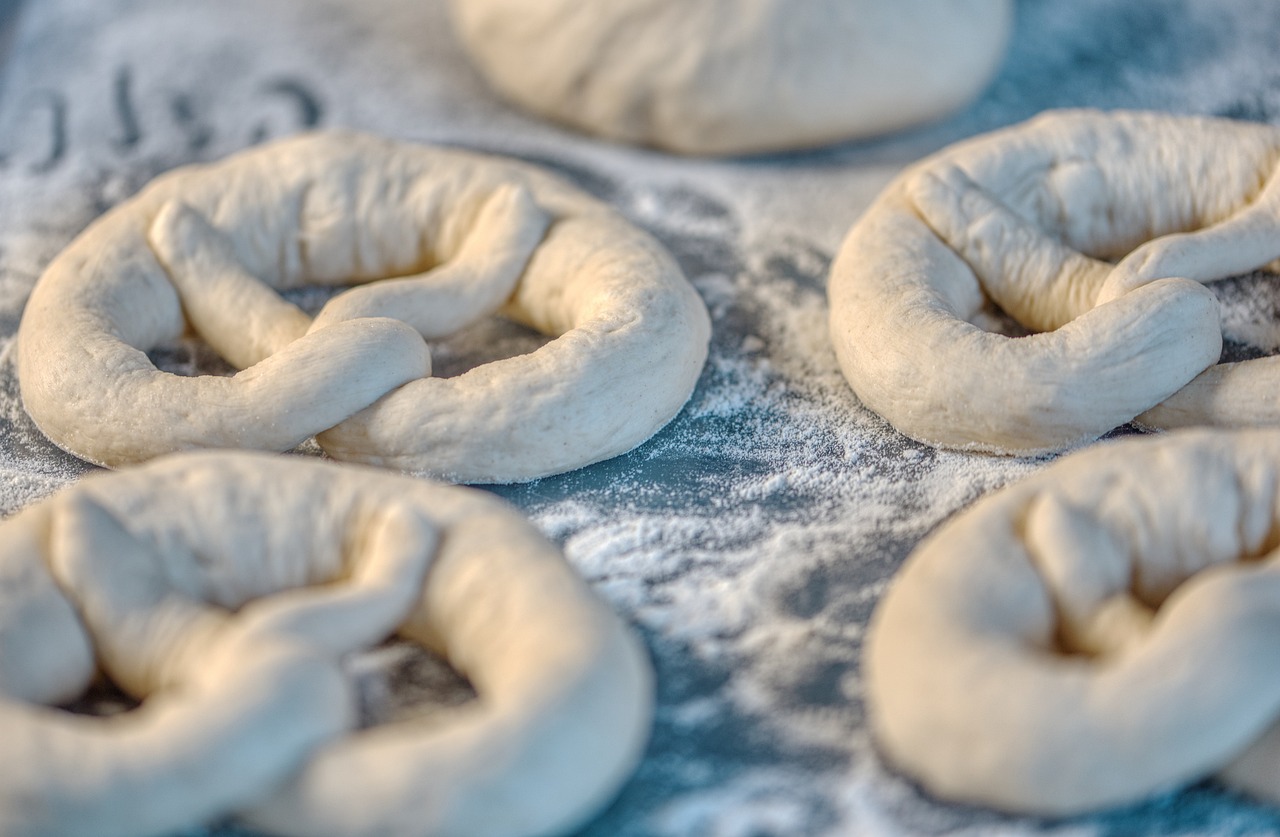

Baking bread might seem intimidating, but with this guide, you’ll discover it’s a wonderfully rewarding process. From activating the yeast to the final golden-brown crust, we’ll walk you through each stage, demystifying the art of bread making. So, tie on your apron, gather your ingredients, and let’s create some magic together!
Ingredients You’ll Need
Precision is key in baking, so make sure to measure your ingredients carefully!
| Ingredient | Quantity | Unit |
|---|---|---|
| Warm Water (105-115°F / 40-46°C) | 1 ½ | cups |
| Instant Dry Yeast | 2 ¼ | teaspoons (1 standard packet) |
| Granulated Sugar | 1 | tablespoon |
| All-Purpose Flour (plus extra for dusting) | 3 ½ – 4 | cups |
| Salt | 1 ½ | teaspoons |
| Extra Virgin Olive Oil | ¼ | cup (plus 1-2 tbsp for drizzling/brushing) |
| Fresh Rosemary, chopped | 2 | tablespoons (plus extra for garnish) |
| Coarse Sea Salt (for sprinkling) | ½ | teaspoon (optional) |
Step-by-Step Instructions for Perfect Rosemary Bread
Follow these detailed steps carefully, and you’ll be enjoying your homemade rosemary bread in no time!
Step 1: Activate the Yeast (The Foundation of Your Bread!)
In a large mixing bowl (or the bowl of a stand mixer), combine the **warm water** (ensure it’s between 105-115°F, think warm bath water, not hot), **granulated sugar**, and **instant dry yeast**. Give it a gentle stir. The sugar acts as food for the yeast, helping it activate. Let this mixture sit for **5-10 minutes**. You should see a foamy layer form on the surface – this means your yeast is alive and ready to work! If it doesn’t foam, your water might have been too hot (killing the yeast) or too cold (preventing activation), or your yeast might be old. In this case, it’s best to start again with fresh yeast and correct water temperature.
Step 2: Combine the Dry Ingredients
While your yeast is proofing, in a separate medium bowl, whisk together **3 ½ cups of all-purpose flour** and the **salt**. Whisking ensures the salt is evenly distributed, which is important for flavor and controlling yeast activity.
Step 3: Mix the Dough
Once your yeast is foamy, add the ¼ cup of extra virgin olive oil and the chopped fresh rosemary to the yeast mixture. Stir gently. Now, gradually add the flour mixture to the wet ingredients, about a cup at a time, mixing with a wooden spoon or a stand mixer with a dough hook on low speed. Mix until a shaggy dough forms and all the flour is incorporated. The dough will be sticky at this stage, which is perfectly normal.
Beginner Tip: Don’t add all the flour at once! Different flours absorb liquid differently. It’s better to add less and add more later if needed.
Step 4: Knead the Dough (The Workout for Your Bread)
This is where the magic happens and gluten develops, giving your bread its structure and chewiness.
- By Stand Mixer: Attach the dough hook and knead on medium-low speed for 7-10 minutes. The dough should become smooth, elastic, and pull away from the sides of the bowl. If it’s still very sticky, add flour one tablespoon at a time until it’s manageable but still soft.
- By Hand: Turn the dough out onto a lightly floured surface. Knead by pushing the dough away with the heels of your hands, folding it back, and turning it a quarter turn. Repeat this motion for **10-15 minutes**. It will be sticky at first, but resist adding too much flour, as this can make your bread tough. Only add enough flour to prevent excessive sticking. The dough is properly kneaded when it’s smooth, elastic, and springs back when gently poked.Beginner Tip: The Windowpane Test: To check if your dough is adequately kneaded, pinch off a small piece of dough and gently stretch it. If you can stretch it thin enough to see light through it without tearing, like a windowpane, your gluten is well-developed!
Step 5: First Rise (Proofing Time!)
Lightly grease a clean large bowl with a little olive oil. Place the kneaded dough in the bowl, turning it once to coat the entire surface with oil. This prevents it from drying out. Cover the bowl tightly with plastic wrap or a clean kitchen towel. Place it in a warm, draft-free place to rise for 1 to 1 ½ hours, or until it has doubled in size. A slightly warm oven (turned off, with just the light on) or a sunny spot on your counter works well. Patience is key here – don’t rush the rise!
Common Mistake: If your dough isn’t rising, your yeast might not have activated, or your rising environment is too cold. Give it more time in a warmer spot before giving up!
Step 6: Shape Your Loaf
Once doubled, gently punch down the dough to release the air. Turn the dough out onto a lightly floured surface. You can shape it into a rustic round loaf, an oval, or even divide it into two smaller loaves. For a classic Macaroni Grill look, a rustic oval or round shape works best. Gently tuck the edges under to create surface tension on top. You can also press it into a rectangular shape and roll it up like a jelly roll, then pinch the seams closed.
Step 7: Second Rise (Building Structure)
Lightly grease a baking sheet or line it with parchment paper. Carefully transfer your shaped loaf to the prepared baking sheet. Cover it loosely with plastic wrap or a kitchen towel and let it rise again in a warm, draft-free place for another 30-45 minutes, or until it has visibly puffed up and looks airy. It won’t necessarily double again, but it should feel light and airy.
Step 8: Preheat and Prepare for Baking
About 20 minutes before the second rise is complete, preheat your oven to **400°F (200°C)**. If you have a baking stone, place it in the oven during preheating for an even crispier crust. Just before baking, use a sharp knife or a bread lame to make 2-3 shallow slashes across the top of the loaf. This allows steam to escape and prevents the bread from cracking unpredictably. Drizzle the top with a little extra olive oil and sprinkle with a pinch of coarse sea salt and a few extra fresh rosemary sprigs for a beautiful finish.
Step 9: Bake Your Rosemary Bread
Bake for **25-35 minutes**, or until the crust is golden brown and the internal temperature reaches **200-210°F (93-99°C)** when measured with an instant-read thermometer. If the top is browning too quickly, you can loosely tent it with aluminum foil.
Step 10: Cool and Enjoy!
Once baked, immediately transfer the bread to a wire rack to cool completely. This is crucial! Cooling on a rack allows air to circulate, preventing the bottom from getting soggy and ensuring a perfect crust. While it’s tempting to slice into it immediately, waiting at least 30 minutes allows the internal structure to set. Serve warm with more olive oil for dipping, just like at the restaurant!
Tips & Tricks for Beginner Bakers
- Measure Accurately: Use a kitchen scale for flour if possible (1 cup AP flour is usually about 120-125g) for the most consistent results. Otherwise, spoon flour into your measuring cup and level it off with a straight edge.
- Fresh Yeast is Best: Always check the expiration date on your yeast. Old yeast is often the culprit behind a dough that doesn’t rise. Store opened yeast packets in an airtight container in the refrigerator or freezer.
- Warm, Not Hot: Yeast is a living organism. Water that’s too hot will kill it, and water that’s too cold won’t activate it. Aim for bathtub-warm (105-115°F).
- Embrace the Stickiness: A slightly sticky dough is often a sign of good hydration, which leads to a softer, more tender crumb. Resist the urge to add too much extra flour during kneading.
- Oven Temperature Varies: Every oven is different. Consider getting an oven thermometer to ensure your oven is truly at the temperature you set it to.
- Don’t Rush the Rise: Rising times are estimates. Factors like ambient temperature and humidity can affect how quickly dough rises. Watch the dough, not the clock – it’s ready when it has doubled (first rise) or puffed up (second rise).
- Storage: Store cooled bread in an airtight container or bread bag at room temperature for 2-3 days. For longer storage, slice and freeze for up to 3 months.
- Flavor Boost: For an extra aromatic kick, you can infuse the ¼ cup of olive oil with a tablespoon of rosemary over low heat for 5 minutes, then let it cool before adding to the dough.
Essential Baking Tools
Having the right tools makes baking much easier and more enjoyable!
- Mixing Bowl
- Whisk
- Baking Pan (or baking sheet)
- Measuring Cups & Spoons
- Spatula (or wooden spoon)
- Optional: Stand Mixer with Dough Hook
- Optional: Instant-Read Thermometer
- Optional: Parchment Paper
Nutrition Information (Estimated per 1/12th of Loaf)
Please note that these values are estimates and can vary based on specific ingredients and preparation methods.
| Nutrient | Amount |
|---|---|
| Calories | 220 kcal |
| Carbohydrates | 35g |
| Protein | 6g |
| Fat | 6g |
| Fiber | 2g |
| Sugar | 2g |
Frequently Asked Questions (FAQs)
Q1: My dough didn’t rise. What went wrong?
A1: The most common reasons are inactive yeast (either expired or killed by water that was too hot) or a too-cold environment for rising. Ensure your water is 105-115°F, your yeast is fresh, and your rising spot is warm and draft-free. Give it adequate time; sometimes it just needs a bit longer!
Q2: Can I use active dry yeast instead of instant yeast?
A2: Yes, you can! If using active dry yeast, you’ll generally need to use about 25% more (so slightly more than 2 ¼ tsp, or about 2 ¾ tsp). Also, it must be proofed first. Combine it with the warm water and sugar, let it sit for 5-10 minutes until foamy, *then* proceed with the recipe. Instant yeast can be mixed directly with dry ingredients, but proofing it first is a good habit for beginners to ensure it’s active.
Q3: How do I store homemade rosemary bread?
A3: Once completely cooled, store your bread in an airtight container, a bread box, or a sealed plastic bag at room temperature for 2-3 days. For longer storage, slice the bread and freeze it in a freezer-safe bag for up to 3 months. You can toast slices directly from frozen!
Q4: What if I don’t have a stand mixer? Can I still make this bread?
A4: Absolutely! This recipe includes instructions for kneading by hand. It requires a bit more effort and time (around 10-15 minutes of continuous kneading), but it’s a great way to connect with your dough and feel the gluten developing. It’s a truly satisfying process!
Q5: Can I add other herbs or ingredients to this bread?
A5: Definitely! While rosemary is classic, feel free to experiment. You could add a tablespoon of dried oregano or thyme with the rosemary, or even some garlic powder. Sun-dried tomatoes or a handful of olives (chopped) can also be kneaded into the dough for different flavor profiles. Just don’t add too many wet ingredients, or you might need a little extra flour.
Enjoy Your Homemade Macaroni Grill Rosemary Bread!
There’s truly nothing quite like the aroma of freshly baked bread filling your home. You’ve just created a masterpiece, a delicious Rosemary Bread Macaroni Grill Recipe that’s sure to become a staple in your kitchen. This journey from simple ingredients to a glorious loaf is a testament to the magic of baking, and we hope you found these baking tips for beginners incredibly helpful.
Don’t be afraid to experiment and make this recipe your own. Whether you’re serving it with a hearty pasta dish, alongside a fresh salad, or simply dipping it in olive oil, this bread is a comforting delight. Share your creations with us, and let us know how your baking adventure went in the comments below! Happy baking!