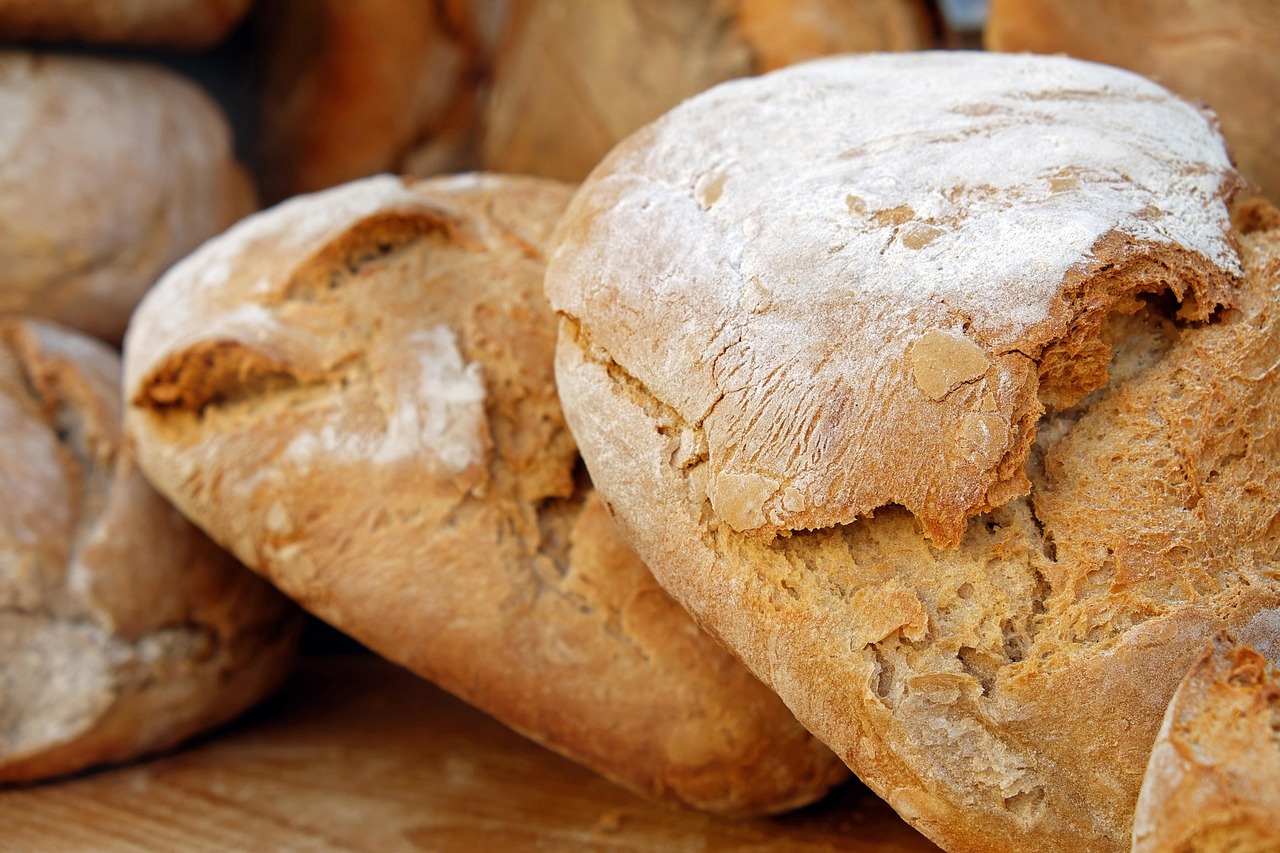
Welcome, budding bakers and seasoned dessert enthusiasts! If you’re looking for a dish that perfectly blends comfort, flavor, and a touch of rustic elegance, you’ve come to the right place. Today, we’re diving into the delightful world of our Sourdough Bread Pudding Recipe. Forget everything you thought about complex desserts; this recipe is designed to be one of the most easy baking recipes you’ll ever master, even if you’re just starting your culinary journey.

Bread pudding is a timeless classic, but adding day-old sourdough bread elevates it to a whole new level of tangy, rich deliciousness. The slight chewiness of sourdough, combined with a creamy, spiced custard, creates a dessert that’s both satisfying and surprisingly sophisticated. We’ll walk you through every step with clear, actionable baking tips for beginners, ensuring your first (or fiftieth!) attempt is a resounding success. Get ready to impress your taste buds and loved ones with this incredible treat!
Ingredients You’ll Need
Gathering your ingredients is the first step to baking success! Here’s what you’ll need for this delectable sourdough bread pudding. Remember, quality ingredients make a big difference, especially the sourdough!
| Ingredient | Quantity | Unit |
|---|---|---|
| Day-old Sourdough Bread (cubed into 1-inch pieces) | 8 | cups |
| Whole Milk | 2 | cups |
| Heavy Cream | 1 | cup |
| Granulated Sugar | 1 | cup |
| Large Eggs | 4 | |
| Vanilla Extract | 2 | tsp |
| Ground Cinnamon | 1 | tsp |
| Ground Nutmeg (optional, but highly recommended!) | 1/2 | tsp |
| Salt | 1/4 | tsp |
| Unsalted Butter (for greasing the pan) | 1 | tbsp |
| Optional Mix-ins: Raisins, Chocolate Chips, Chopped Nuts | 1/2 | cup |
Step-by-Step Instructions for Sourdough Bread Pudding
Follow these detailed steps carefully, and you’ll be enjoying warm, delicious sourdough bread pudding in no time. We’ve included plenty of tips to guide beginners!
Step 1: Prep Your Sourdough Bread
The foundation of any great bread pudding is the bread itself. For this recipe, day-old sourdough bread is key.
Begin by cutting your sourdough loaf into roughly 1-inch cubes. Don’t worry about perfection here; rustic is good!
Why day-old? Stale bread is perfect because it’s slightly dried out, allowing it to soak up the custard mixture like a sponge without becoming mushy. Fresh bread can absorb too much liquid and result in a soggy texture. If your bread isn’t quite stale, you can lightly toast the cubes on a baking sheet in a 300°F (150°C) oven for 10-15 minutes until slightly dry, then let them cool completely. This quick step makes a big difference!
Place the cubed bread into a very large mixing bowl. Make sure it’s large enough to comfortably mix all ingredients later.
Step 2: Prepare Your Baking Dish
Grease a 9×13 inch baking dish (or an equivalent 3-quart oven-safe dish) generously with the unsalted butter. Make sure to get the sides and corners thoroughly to prevent sticking. A good coating of butter also adds a lovely browned crust and helps release the pudding easily.
Step 3: Whisk the Custard Base
In a separate medium-sized bowl, crack your 4 large eggs. Add the granulated sugar, vanilla extract, ground cinnamon, ground nutmeg (if using), and salt.
Beginner Tip: A good whisking technique is to start by whisking the eggs and sugar together first until pale and fluffy, then incorporating the other dry ingredients. This helps the sugar dissolve better and ensures even distribution of spices.
Whisk everything together until the mixture is well combined and the sugar has largely dissolved. You want a smooth, pale yellow mixture. Don’t over-whisk to the point of creating a lot of foam, as this can introduce too much air and affect the final texture of your custard. Just combine until smooth.
Step 4: Incorporate the Dairy
Gradually pour in the whole milk and heavy cream into the egg mixture while continuing to whisk gently.
Beginner Tip: Adding the liquid slowly helps “temper” the eggs, which means gradually bringing them up to temperature. This is crucial for preventing the eggs from scrambling, especially if your milk/cream is cold. For the best results and easiest blending, ensure your dairy is at room temperature before adding it.
Whisk until the custard mixture is completely smooth and uniform, with no streaks of egg yolk or white visible.
Step 5: Combine Bread and Custard (and Soak!)
Pour the entire custard mixture over the cubed sourdough bread in the large mixing bowl.
Use a spatula or your clean hands to gently press the bread cubes down, ensuring all pieces are submerged and fully coated in the custard. You want every piece of bread to get a good drink!
If you’re adding optional mix-ins like raisins, chocolate chips, or chopped nuts, now is the time to sprinkle them in and gently fold them into the mixture.
This step is crucial for beginners: Let the bread soak! Cover the bowl with plastic wrap and let it sit at room temperature for at least 30 minutes, or even better, an hour. For an even richer flavor and texture, you can cover it and refrigerate for up to 4 hours, or even overnight. This extended soaking time allows the sourdough to fully absorb the custard, leading to a perfectly moist, flavorful bread pudding rather than a dry or uneven one. Don’t skip this step!
Step 6: Preheat and Prepare for Baking
Preheat your oven to 350°F (175°C).
If you want an extra creamy, evenly cooked bread pudding, consider using a water bath (also known as a bain-marie). This beginner-friendly technique helps prevent the edges from overcooking and becoming tough before the center is fully set. To do this, place your greased baking dish inside a larger roasting pan.
Step 7: Bake Your Bread Pudding
Once the bread has sufficiently soaked, pour the entire soaked bread and custard mixture into your prepared baking dish. Spread it out evenly.
If using a water bath, carefully pour hot tap water (or freshly boiled water) into the larger roasting pan, making sure it comes about halfway up the sides of your bread pudding dish. Be extremely careful not to splash any water into the bread pudding itself!
Carefully transfer the roasting pan (with the bread pudding dish inside) to the preheated oven.
Bake for 50-60 minutes.
How to tell it’s done: The bread pudding should be beautifully golden brown on top, and when you gently jiggle the pan, the center should be mostly set with only a slight wobble, similar to a firm custard. An inserted knife or toothpick into the center (avoiding a piece of bread) should come out mostly clean. If it seems too wobbly, give it another 5-10 minutes.
Common Mistake: Overbaking can lead to a dry, rubbery, or tough texture. Keep a close eye on it, especially in the last 15 minutes of baking.
Step 8: Cool and Serve
Once baked to perfection, carefully remove the bread pudding from the oven (and the water bath, if used).
Let it cool on a wire rack for at least 15-20 minutes before serving. This resting period is important as it allows the custard to fully set and firm up, making for easier and cleaner scooping.
Serve warm with your favorite toppings! A dusting of powdered sugar, a dollop of fresh whipped cream, a generous drizzle of caramel sauce, or a scoop of vanilla bean ice cream are all fantastic choices. You can even make a simple bourbon sauce for an adult twist.
Enjoy your homemade, comforting sourdough bread pudding!
Tips & Tricks for the Perfect Sourdough Bread Pudding
Mastering bread pudding is all about understanding a few key principles. Here are some actionable tips to ensure your sourdough bread pudding is always a showstopper:
- Stale Bread is Your Best Friend: We can’t stress this enough! The drier your sourdough, the better it will absorb the rich custard, resulting in a perfectly moist and flavorful pudding without being soggy. If your bread isn’t quite stale, a quick toast in the oven can work wonders.
- Don’t Rush the Soak: Allowing the bread to soak in the custard for at least 30 minutes (or even overnight in the fridge) is crucial. This ensures every piece of bread is saturated, preventing dry spots and ensuring a uniformly tender texture throughout.
- Consider a Water Bath: For an incredibly silky, evenly cooked custard, bake your bread pudding in a water bath. This gentle cooking method prevents the edges from drying out or becoming rubbery before the center is cooked through, yielding a superior texture.
- Flavor Variations: Get creative! Add orange or lemon zest to the custard for a bright, citrusy note. A splash of bourbon, rum, or Grand Marnier can add wonderful depth and complexity to the custard. Experiment with different spices like cardamom, allspice, or a pinch of ginger.
- Sweetness Adjustment: If your sourdough is particularly tangy or you prefer a sweeter dessert, you can increase the granulated sugar by a quarter cup. Conversely, if you like it less sweet, reduce it slightly, but remember sugar also contributes to texture.
- Serving Suggestions: While delicious on its own, bread pudding truly shines with accompaniments. Try it with a warm vanilla bean sauce, crème anglaise, a scoop of your favorite ice cream (vanilla, cinnamon, or coffee work well), fresh berries, or a simple dusting of powdered sugar.
- Storage: Leftovers can be stored in an airtight container in the refrigerator for 3-4 days. For reheating, individual portions can be warmed gently in the microwave or in an oven set to 300°F (150°C) until warm through.
Essential Baking Tools
Having the right tools makes baking a breeze! Here are some essential items you’ll need for this recipe, complete with links to help you find them easily on Amazon:
- Mixing Bowls – You’ll need at least two: one large for the bread and one medium for the custard.
- Whisk – Essential for a smooth, lump-free custard mixture.
- Baking Pan – A 9×13 inch pan is perfect for this recipe.
- Measuring Cups – For accurate liquid and dry ingredient measurements.
- Spatula – Great for gently mixing ingredients and ensuring all the bread is coated.
- Measuring Spoons – Crucial for precise measurements of spices, vanilla, and salt.
Nutrition Information (Estimated Per Serving)
Here’s an estimated nutritional breakdown for one serving (assuming 8 servings per recipe) of Sourdough Bread Pudding. Please note these are approximations and can vary based on specific brands of ingredients, exact portion sizes, and any optional add-ins.
| Nutrient | Per Serving (Estimate) |
|---|---|
| Calories | 450 kcal |
| Total Fat | 25 g |
| Saturated Fat | 15 g |
| Cholesterol | 150 mg |
| Sodium | 300 mg |
| Total Carbohydrates | 48 g |
| Dietary Fiber | 2 g |
| Total Sugars | 35 g |
| Protein | 12 g |
Frequently Asked Questions (FAQs)
Got questions? We’ve got answers, especially for our beginner bakers!
-
Can I use fresh sourdough bread for this recipe?
- While technically possible, we highly recommend using day-old (stale) sourdough bread. Stale bread is drier and acts like a sponge, absorbing the custard much better, leading to a perfectly moist and consistent texture. Fresh bread tends to get mushy and can result in a soggy pudding. If your bread isn’t stale, you can cube it and dry it out in a low oven (300°F/150°C) for 10-15 minutes until it feels dry to the touch, then let it cool.
-
How can I prevent my bread pudding from being soggy?
- Several factors contribute to a non-soggy bread pudding:
- Use stale bread: As mentioned, this is the most important step.
- Don’t over-soak: While soaking is crucial, letting it sit for too long (e.g., much longer than overnight) can sometimes make it overly saturated.
- Proper baking temperature and time: Ensure your oven is calibrated correctly and bake until the center is set. Too low a temperature or not long enough can result in a watery center.
- Consider a water bath: This creates a gentle, even heat, preventing the bottom from becoming too dense or rubbery while ensuring the custard cooks through evenly.
-
Can I prepare Sourdough Bread Pudding ahead of time?
- Absolutely! This recipe is fantastic for making ahead. You can assemble the entire bread pudding (Steps 1-5) in your baking dish, cover it tightly with plastic wrap, and refrigerate it for up to 24 hours before baking. This even allows for a deeper flavor development as the bread soaks up the custard longer. Just remember to let it sit at room temperature for 20-30 minutes before baking, or add an extra 5-10 minutes to your baking time.
-
What kind of sourdough bread is best for this recipe?
- A classic country-style sourdough loaf with a good crust and open, airy crumb works wonderfully. Avoid very dense, heavy loaves or those with extremely large holes, as they might not absorb the custard evenly. The slight tangy flavor of a good quality sourdough is what makes this recipe special, so choose one you enjoy eating on its own!
-
What are some good toppings for Sourdough Bread Pudding?
- The possibilities are endless! Popular choices include a dusting of powdered sugar, a generous dollop of freshly whipped cream, a scoop of vanilla or cinnamon ice cream (especially delightful when the pudding is warm!), a rich caramel sauce, a bourbon glaze (for an adult treat), or even fresh berries for a touch of tartness and color. Don’t be afraid to experiment and find your favorite combination!
Conclusion: Your Sourdough Bread Pudding Adventure Awaits!
And there you have it! A comprehensive, beginner-friendly guide to creating the most comforting and delicious Sourdough Bread Pudding Recipe. We truly believe that baking should be an enjoyable and rewarding experience, and this recipe is a perfect example of how simple ingredients and clear instructions can lead to extraordinary results.
Don’t be intimidated; embrace the process, follow our baking tips for beginners, and you’ll soon be pulling a golden, fragrant masterpiece from your oven. Whether it’s for a cozy family dessert, a special brunch, or just a treat for yourself, this sourdough bread pudding is guaranteed to bring smiles and warmth to any occasion. We can’t wait to hear how yours turns out! Happy baking!