
Are you a proud sourdough baker, but find yourself staring at that ever-growing jar of “discard” with a mix of guilt and confusion? You’re not alone! Many home bakers wonder what to do with their unfed sourdough starter. Well, get ready to turn that dilemma into a delicious opportunity with our Sourdough Discard Sandwich Bread Recipe.
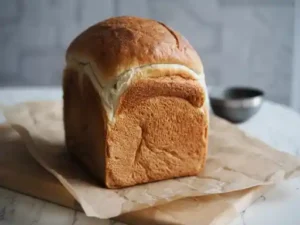
This recipe is designed specifically for you, whether you’re a seasoned pro looking for new easy baking recipes or just starting your journey with baking tips for beginners. Forget complicated techniques; we’re focusing on simplicity and incredible flavor. Imagine soft, fluffy slices perfect for toast, sandwiches, or simply slathered with butter. This isn’t just about using up discard; it’s about creating a staple bread that will become a regular in your kitchen. Let’s transform that discard into something truly wonderful!
Ingredients List
Gather your ingredients! Using room temperature ingredients helps everything combine smoothly and promotes a better rise.
| Ingredient | Quantity | Unit |
|---|---|---|
| All-Purpose Flour | 3 | cups (360g) |
| Sourdough Discard (unfed) | 1 | cup (225g) |
| Warm Milk (105-115°F / 40-46°C) | 1 | cup (240ml) |
| Granulated Sugar | 2 | tablespoons |
| Salt | 1.5 | teaspoons |
| Active Dry Yeast | 1 | teaspoon |
| Unsalted Butter, melted | 3 | tablespoons |
| Olive Oil (for bowl) | 1 | teaspoon |
Step-by-Step Instructions
Follow these detailed steps carefully, and you’ll be enjoying homemade bread in no time! Remember, baking is a journey, and every step brings you closer to a delicious reward.
Step 1: Activate the Yeast
- In a large mixing bowl (or the bowl of a stand mixer), pour in the **warm milk**. It should feel warm to the touch, like a baby’s bath, but not too hot. If it’s too hot, it will kill your yeast!
- Sprinkle the **granulated sugar** and **active dry yeast** over the warm milk. Give it a gentle stir.
- Let this mixture sit for 5-10 minutes. You should see a foamy layer form on top – this means your yeast is active and ready to work its magic! If it doesn’t foam, your milk might have been too hot or too cold, or your yeast might be old. Start again with fresh yeast.
Step 2: Combine Wet Ingredients
- Once the yeast is foamy, add your **sourdough discard** and **melted butter** to the bowl.
- Whisk everything together until it’s well combined. The sourdough discard might be lumpy, which is perfectly fine. Just ensure it’s generally mixed into the liquid.
Step 3: Add Dry Ingredients
- Add the **all-purpose flour** and **salt** to the wet ingredients in the bowl.
- Using a sturdy spatula or a wooden spoon (or the dough hook attachment of your stand mixer), mix until a shaggy dough forms. It will look rough and sticky at this stage, but don’t worry, that’s normal!
- **Beginner Tip:** Don’t add all the flour at once if your dough seems very wet. Sometimes, depending on the hydration of your discard and local humidity, you might need slightly less or more flour. Add the last 1/4 cup gradually if needed.
Step 4: Knead the Dough
- By Hand: Turn the shaggy dough out onto a lightly floured surface. Knead the dough for 8-10 minutes. Push the dough away from you with the heels of your hands, fold it back over, turn it, and repeat. The dough will be sticky at first, but as you knead, it will become smoother, more elastic, and less sticky.
- With a Stand Mixer: Attach the dough hook and knead on medium-low speed for 6-8 minutes. The dough should pull away from the sides of the bowl and eventually clear the sides, becoming smooth and elastic.
- How to tell if it’s kneaded enough (Windowpane Test): Pinch off a small piece of dough (about the size of a golf ball). Gently stretch it with your fingers. If you can stretch it thin enough to see light through it without tearing, your dough is perfectly kneaded! If it tears easily, keep kneading for a few more minutes.
Step 5: First Rise (Bulk Fermentation)
- Lightly grease a clean large bowl with **olive oil**. Place your kneaded dough into the bowl, turning it once to coat all sides with oil. This prevents it from sticking and drying out.
- Cover the bowl tightly with plastic wrap or a clean kitchen towel.
- Place the bowl in a warm, draft-free spot. A slightly warm oven (turned off, with just the light on) or a sunny spot works well.
- Let the dough rise for 1.5 to 2 hours, or until it has doubled in size. This can take longer or shorter depending on the warmth of your environment. **Patience is key here!** Don’t rush this step.
Step 6: Shape the Loaf
- Lightly grease a standard 9×5-inch loaf pan with butter or cooking spray.
- Once the dough has doubled, gently punch it down to release the air. This is called “degassing.”
- Turn the dough out onto a lightly floured surface.
- Gently pat the dough into a rough rectangle, about 8×12 inches.
- Fold the top third of the dough down towards the center, pressing firmly to seal.
- Fold the bottom third up and over the top, pressing firmly to seal. You should now have a roughly rectangular log.
- Turn the dough log over, so the seam is facing down. Gently roll the dough back and forth a few times with your palms to create an even, taut surface.
- Place the shaped dough seam-side down into your prepared loaf pan.
Step 7: Second Rise (Proofing)
- Cover the loaf pan loosely with plastic wrap or a clean kitchen towel.
- Return the pan to your warm, draft-free spot.
- Let the dough rise for another 45-60 minutes, or until it has nearly doubled in size again and looks puffy. It should rise just above the rim of the loaf pan.
- **To test if it’s ready:** Gently poke the dough with a floured finger. If the indentation slowly springs back, it’s ready to bake. If it springs back immediately, it needs more time. If it collapses, it’s over-proofed (you can still bake it, but the texture might be denser).
Step 8: Bake the Bread
- While the dough is on its second rise, preheat your oven to 375°F (190°C).
- Once the oven is preheated and the dough has finished its second rise, carefully remove the cover from the loaf pan.
- Optional: For a golden-brown, shiny crust, you can brush the top of the dough with an egg wash (1 egg whisked with 1 tbsp water) or a little milk.
- Bake for 30-35 minutes, or until the top is golden brown and the internal temperature of the bread reaches 200-210°F (93-99°C) when measured with an instant-read thermometer.
- **Common Mistake:** Don’t open the oven door too early, especially in the first 20 minutes, as this can cause the bread to deflate.
Step 9: Cool Completely
- Once baked, immediately remove the bread from the loaf pan and transfer it to a wire rack. This is crucial for preventing the bottom crust from getting soggy.
- Let the bread cool completely for at least 1-2 hours before slicing. Slicing hot bread can result in a gummy texture.
- Enjoy your homemade **Sourdough Discard Sandwich Bread**!
Tips & Tricks for Perfect Sourdough Discard Sandwich Bread
Baking bread is a rewarding process, and these additional tips will help ensure your success, especially if you’re just starting out:
- Don’t Over-Flour: When kneading by hand, resist the urge to add too much extra flour to prevent stickiness. A slightly sticky dough is often a sign of good hydration, which leads to a softer crumb. A bench scraper can be your best friend for managing sticky dough.
- Room Temperature Ingredients: Ensure your sourdough discard, milk, and butter are all at room temperature. This helps them combine more easily and promotes consistent fermentation and a better rise.
- Create a Warm Environment for Rising: If your kitchen is cool, your dough will take longer to rise. You can create a warm spot by heating your oven to its lowest setting for a few minutes, then turning it off and placing the covered dough inside (with the oven door slightly ajar).
- Patience is a Virtue: Don’t rush the rising times. The dough will tell you when it’s ready, not the clock. Look for the visual cues (doubled in size, spring-back test) rather than sticking strictly to the time frames.
- Invest in a Thermometer: An instant-read thermometer is invaluable for checking the temperature of your warm milk (to activate yeast) and the internal temperature of your baked bread (to ensure it’s fully cooked). This takes the guesswork out of crucial steps.
- Storing Your Bread: Once completely cool, store your bread in an airtight container or a bread bag at room temperature for 3-4 days. For longer storage, slice and freeze the bread; it toasts beautifully from frozen.
- Adjusting Hydration: Depending on the consistency of your sourdough discard (some are thicker, some thinner), you might need to slightly adjust the amount of flour. If your dough feels too wet after kneading, add a tablespoon of flour at a time. If it feels too stiff and dry, add a teaspoon of milk.
Essential Baking Tools
Having the right tools makes all the difference in your baking journey. Here are some essentials:
- Large Mixing Bowl
- Whisk
- 9×5-inch Loaf Pan
- Measuring Cups and Spoons
- Rubber Spatula or Wooden Spoon
- Clean Kitchen Towel or Plastic Wrap
- Wire Cooling Rack
- Optional: Stand Mixer with Dough Hook
- Optional: Instant-Read Thermometer
- Optional: Bench Scraper
Nutrition Information (per slice, 16 slices per loaf)
Please note: These values are approximate and can vary based on specific ingredients and preparation methods.
| Nutrient | Amount |
|---|---|
| Calories | 145 kcal |
| Carbohydrates | 27g |
| Protein | 5g |
| Fat | 2.5g |
| Fiber | 1g |
| Sugar | 2g |
Frequently Asked Questions (FAQs)
Q1: What exactly is sourdough discard?
Sourdough discard is simply the portion of your sourdough starter that you remove before feeding it. It’s “unfed” and not active enough to leaven bread on its own, but it still has all the wonderful flavor of sourdough. It’s a fantastic ingredient to add tang and depth to many baked goods without having to wait for a rise from the starter itself.
Q2: Can I skip the active dry yeast in this recipe?
For this specific Sourdough Discard Sandwich Bread Recipe, we highly recommend including the active dry yeast, especially for beginners. Sourdough discard doesn’t have enough active yeast cultures to provide a significant rise on its own. The added yeast ensures a consistent, fluffy texture and a reliable rise, making it an **easy baking recipe** for all skill levels. If you want a purely sourdough-leavened bread, you’d need an active, fed starter and a much longer fermentation process.
Q3: My dough isn’t rising, what went wrong?
There are a few common reasons:
- Yeast issue: Your water might have been too hot (killing the yeast) or too cold (slowing it down too much), or your yeast might be old/inactive.
- Cold environment: Dough rises best in a warm, draft-free spot. If your kitchen is cold, it will take much longer.
- Too much flour: Over-flouring during kneading can result in a stiff dough that struggles to rise.
Double-check your yeast’s expiration date and the temperature of your milk next time!
Q4: How do I know when the bread is fully baked?
The best way to tell is by internal temperature. A fully baked loaf of sandwich bread should reach an internal temperature of 200-210°F (93-99°C). Visually, it should have a deep golden-brown crust. If you tap the bottom of the loaf, it should sound hollow.
Q5: How should I store this sandwich bread?
Once completely cooled, store your bread in an airtight container, a bread box, or a sealed plastic bag at room temperature for 3-4 days. For longer storage, slice the cooled loaf and freeze the slices in a freezer-safe bag for up to 2-3 months. You can toast them directly from frozen!
Q6: Can I use whole wheat flour instead of all-purpose flour?
Yes, you can substitute some of the all-purpose flour with whole wheat flour, but it will change the texture and density of the bread. For beginners, we recommend starting with all-purpose flour for a lighter, fluffier result. If you do substitute, start by replacing 1/2 to 1 cup of all-purpose flour with whole wheat, and be prepared to add a little extra liquid if the dough feels too stiff, as whole wheat flour absorbs more moisture.
Conclusion
Congratulations, you’ve just unlocked a fantastic way to use your sourdough discard and create a truly delightful homemade staple! This Sourdough Discard Sandwich Bread Recipe is more than just a way to reduce waste; it’s an invitation to enjoy the simple pleasures of fresh, warm bread from your own oven. With its soft crumb, subtle tang, and golden crust, it’s perfect for any meal or snack.
We hope these baking tips for beginners and detailed instructions have made the process enjoyable and achievable. Don’t be afraid to experiment and make this recipe your own. Happy baking, and enjoy every delicious slice!