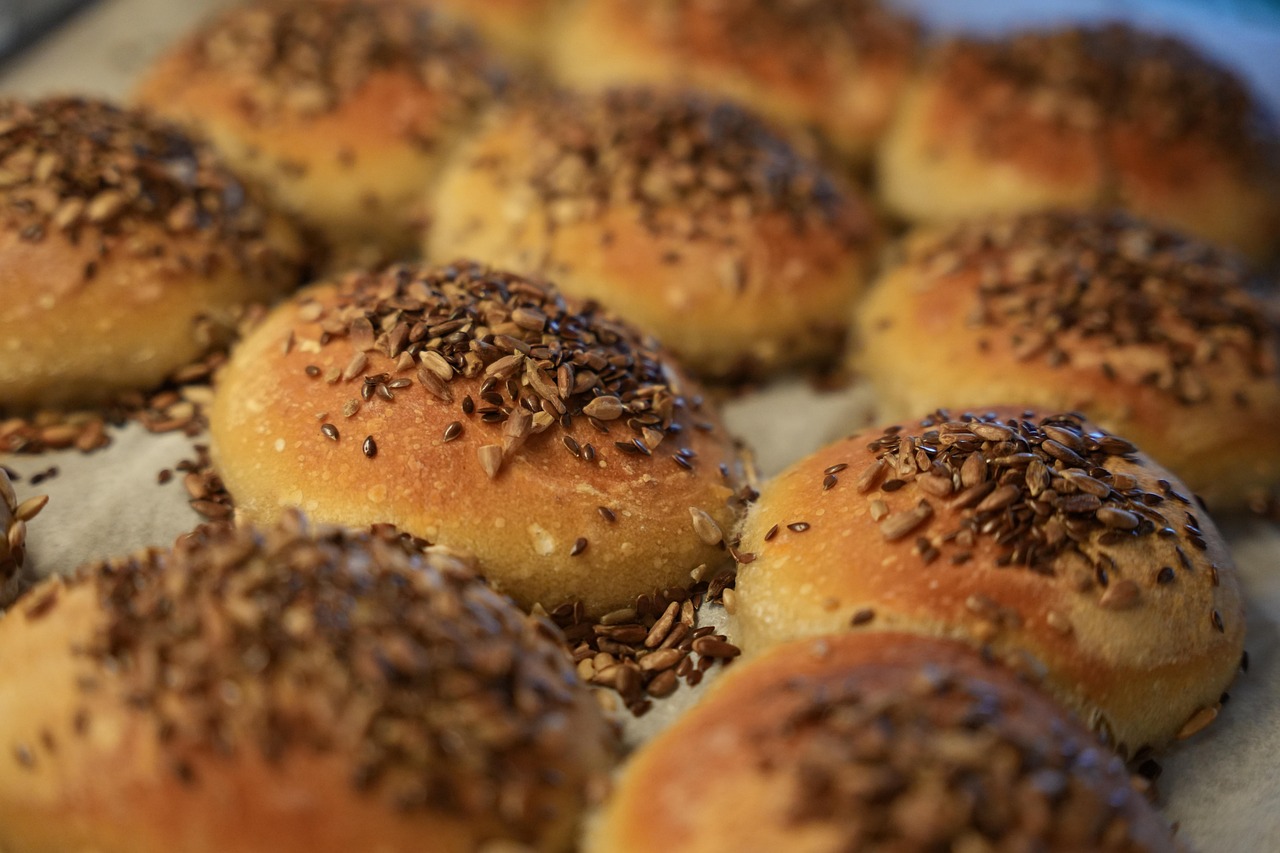
Welcome, fellow baking enthusiasts! Are you ready to dive into a world of rich flavors, vibrant colors, and a touch of Mardi Gras magic, all from your own kitchen Today, we’re incredibly excited to share our Sourdough King Cake Recipe a delightful twist on a classic that brings depth, incredible texture, and a subtle tang thanks to the power of sourdough. If you’ve been looking for easy baking recipes that impress without overwhelming, you’ve found your next project! This guide is packed with essential baking tips for beginners, ensuring your journey to a show-stopping King Cake is smooth, fun, and deliciously rewarding. Get ready to bake a masterpiece that’s perfect for celebrations or simply a delightful treat!
Why Sourdough King Cake?
Adding sourdough to a traditional King Cake recipe not only enhances its flavor profile with a delightful tang but also contributes to a wonderfully soft and airy crumb. It’s a fantastic way to utilize your active sourdough starter beyond rustic loaves, and the slow fermentation process often makes the bread more digestible. Don’t be intimidated; we’ll guide you through every step, making this a truly accessible and enjoyable baking experience for everyone!
Ingredients List
Before we begin, gather all your ingredients. Using room temperature ingredients (especially butter, eggs, and milk) will help them combine more smoothly and activate your yeast/starter more effectively. A kitchen scale is highly recommended for accuracy, especially with flour.
For the Sourdough Brioche Dough:
| Quantity | Unit | Ingredient |
|---|---|---|
| 100 | grams | Active Sourdough Starter (fed and bubbly) |
| 120 | ml | Whole Milk, lukewarm |
| 2 | large | Eggs, room temperature |
| 60 | grams | Granulated Sugar |
| 1 | teaspoon | Vanilla Extract |
| 400 | grams | All-Purpose Flour, plus more for dusting |
| 1 | teaspoon | Salt |
| 100 | grams | Unsalted Butter, softened and cut into cubes |
| 1 | teaspoon | Orange Zest (from 1 small orange) |
For the Cinnamon Sugar Filling:
| Quantity | Unit | Ingredient |
|---|---|---|
| 50 | grams | Unsalted Butter, melted |
| 70 | grams | Brown Sugar, packed |
| 1 | tablespoon | Ground Cinnamon |
For the Glaze and Decoration:
| Quantity | Unit | Ingredient |
|---|---|---|
| 250 | grams | Powdered Sugar |
| 3-4 | tablespoons | Milk or Heavy Cream |
| 1/2 | teaspoon | Vanilla Extract |
| Few | drops | Food Coloring (Purple, Green, Gold/Yellow) |
| Mardi Gras Sprinkles (optional) | ||
| 1 | (optional) | Plastic Baby (oven-safe, or insert after baking) |
Step-by-Step Instructions: Your Path to King Cake Glory!
Don’t rush the process, especially the proofing steps. Patience is a baker’s best friend, and it will pay off with an incredibly tender and flavorful Sourdough King Cake!
Step 1: Prepare Your Sourdough Dough (The Night Before or Morning Of)
- Activate Your Starter: Ensure your sourdough starter is active and bubbly. Feed it 4-6 hours before you plan to mix your dough. A good way to check is to drop a small amount into water; if it floats, it’s ready!
- Combine Wet Ingredients: In a large mixing bowl (or the bowl of a stand mixer), combine the active sourdough starter, lukewarm milk, eggs, granulated sugar, and vanilla extract. Whisk them together until well combined.
- Add Dry Ingredients: Add the all-purpose flour, salt, and orange zest to the wet mixture. Mix with a wooden spoon or a stand mixer with the dough hook attachment on low speed until a shaggy dough forms and no dry streaks of flour remain. Beginner Tip: Don’t worry if it looks a bit rough at this stage; it will come together!
- Knead the Dough:
- By Hand: Turn the dough out onto a lightly floured surface. Knead for about 8-10 minutes until it becomes somewhat smooth. It might be sticky at first, but resist adding too much extra flour.
- With a Stand Mixer: Continue mixing on medium-low speed with the dough hook for about 5-7 minutes until the dough starts to pull away from the sides of the bowl.
- Incorporate the Butter: Add the softened butter, a cube at a time, to the dough while continuing to knead (either by hand or mixer). This process will make the dough seem like it’s falling apart, but keep kneading! It will eventually absorb the butter and become incredibly smooth, elastic, and slightly shiny. This usually takes another 8-12 minutes. Common Mistake: Adding all the butter at once. This makes it harder to incorporate evenly.
- First Proof (Bulk Fermentation): Form the dough into a ball and place it in a lightly oiled bowl. Cover the bowl tightly with plastic wrap or a damp kitchen towel. Let it proof at room temperature (around 70-75°F / 21-24°C) for 6-8 hours, or until it has visibly doubled in size. Alternative: For a deeper flavor and easier handling, you can place the dough in the refrigerator after 2-3 hours at room temperature and let it cold-proof overnight (8-12 hours). This is highly recommended for beginners as chilled dough is less sticky and easier to shape.
Step 2: Shape Your King Cake
- Prepare Your Workspace: Lightly flour your work surface. If your dough was chilled, let it sit at room temperature for about 30 minutes before shaping.
- Roll Out the Dough: Gently punch down the dough to release the air. Turn it out onto your floured surface. Using a rolling pin, roll the dough into a large rectangle, approximately 12×18 inches (30×45 cm) and about 1/4 inch (0.6 cm) thick. Aim for even thickness.
- Prepare the Filling: In a small bowl, combine the melted butter, brown sugar, and ground cinnamon for the filling. Mix well.
- Spread the Filling: Evenly spread the cinnamon sugar filling over the entire surface of the rolled-out dough, leaving a small border (about 1/2 inch) on one of the longer edges.
- Roll and Seal: Starting from the longer edge opposite the border you left, tightly roll the dough into a log. Once rolled, pinch the seam firmly to seal it. Gently stretch the log slightly to even it out.
- Form the Ring: Carefully bring the two ends of the log together and pinch them firmly to form a complete circle or oval. Ensure the seam is well-sealed. You can place the plastic baby inside the dough ring now, or insert it from the bottom after baking.
- Prepare for Second Proof: Transfer the King Cake ring to a baking sheet lined with parchment paper. Beginner Tip: Use a large spatula or two to gently lift the ring without distorting its shape.
Step 3: Second Proof and Bake
- Second Proof (Final Proof): Cover the King Cake loosely with plastic wrap or a clean kitchen towel. Let it rise in a warm spot for another 1.5-3 hours, or until it looks visibly puffy and slightly larger. It won’t double in size like the first proof, but it should feel light and airy. How to check: Gently poke the dough with a floured finger; if the indentation slowly springs back, it’s ready. If it springs back too quickly, it needs more time. If it collapses, it’s over-proofed.
- Preheat Oven: About 20 minutes before baking, preheat your oven to 375°F (190°C).
- Bake: Bake the King Cake for 25-35 minutes, or until it’s golden brown on top and cooked through. If it starts browning too quickly, you can loosely tent it with aluminum foil. To check for doneness, an instant-read thermometer inserted into the thickest part should read around 200-205°F (93-96°C).
- Cool: Once baked, remove the King Cake from the oven and let it cool completely on the baking sheet set on a wire rack before glazing. This is crucial; glazing a warm cake will cause the icing to melt and run off.
Step 4: Glaze and Decorate
- Make the Glaze: In a medium bowl, whisk together the powdered sugar, milk (start with 3 tablespoons and add more if needed for desired consistency), and vanilla extract until smooth. The glaze should be thick enough to coat a spoon but still pourable.
- Divide and Color: Divide the glaze into three small bowls. Add a few drops of purple food coloring to one bowl, green to another, and yellow/gold to the third. Mix each color until vibrant.
- Decorate: Once the King Cake is completely cool, drizzle the colored glazes over the top, alternating colors in stripes or a free-form pattern. Finish with Mardi Gras sprinkles while the glaze is still wet. If you didn’t insert the baby earlier, do so now from the bottom of the cake.
- Serve and Enjoy: Let the glaze set for about 15-20 minutes before slicing and serving your magnificent Sourdough King Cake!
Tips & Tricks for Sourdough King Cake Success
Baking with sourdough can feel like a science experiment, but these simple tips will help you achieve perfect results every time:
- Active Starter is Key: Ensure your sourdough starter is active and bubbly before you begin. A fed, vigorous starter will give your King Cake the best rise and flavor. If it’s sluggish, feed it a few times over 24-48 hours until it’s consistently doubling.
- Room Temperature Ingredients: Always use room temperature eggs, milk, and especially butter. This allows them to emulsify and incorporate smoothly into the dough, leading to a more consistent and tender crumb.
- Don’t Rush Proofing: Sourdough takes time! The bulk fermentation and final proof are crucial for flavor development and texture. If your kitchen is cool, find a warm spot (like a turned-off oven with the light on, or near a sunny window) to help your dough rise.
- Invest in a Kitchen Scale: For baking, especially sourdough, measuring ingredients by weight (grams) is far more accurate than by volume (cups). It eliminates inconsistencies and ensures your ratios are perfect every time.
- Chill the Dough: Seriously, this is a game-changer for beginners! Chilling the dough overnight after the first proof makes it much firmer and less sticky, making it incredibly easy to roll out and shape without frustration.
- Kneading for Windowpane: When incorporating butter, keep kneading until the dough passes the “windowpane test.” You should be able to stretch a small piece of dough thinly enough that light passes through it without tearing. This indicates good gluten development.
- Prevent Over-Browning: If your King Cake is browning too quickly on top before it’s fully cooked, loosely tent it with aluminum foil. This protects the crust while allowing the interior to finish baking.
- Patience with Glazing: Make sure your King Cake is completely cool before applying the glaze. Otherwise, the glaze will melt and run off, leaving you with a sad, bare cake.
Essential Baking Tools
Having the right tools can make all the difference in your baking journey. Here are some essentials for making this Sourdough King Cake:
- Mixing Bowl (large, for dough and glaze)
- Whisk (for wet ingredients and glaze)
- Baking Sheet (for baking the King Cake)
- Measuring Cups and Spoons (for smaller quantities)
- Spatula (rubber or silicone, for scraping bowls)
- Kitchen Scale (highly recommended for accuracy)
- Rolling Pin
- Parchment Paper
- Plastic Wrap or Damp Kitchen Towel
- Wire Cooling Rack
- Stand Mixer with Dough Hook (optional, but makes kneading easier)
Nutrition Information (Estimated per slice, based on 12 slices)
Please note that these are estimated nutritional values and can vary based on specific ingredient brands and preparation methods.
| Nutrient | Amount |
|---|---|
| Calories | 380 kcal |
| Carbohydrates | 60 g |
| Protein | 7 g |
| Fat | 13 g |
| Fiber | 2 g |
| Sugar | 35 g |
Frequently Asked Questions (FAQs)
Q1: What kind of sourdough starter should I use for this recipe?
You’ll want an **active, fed sourdough starter** that is at its peak of activity – bubbly, risen, and smells pleasantly yeasty/sour. This usually means feeding it 4-6 hours before you plan to use it. A 100% hydration (equal parts flour and water by weight) starter is ideal.
Q2: Can I make this Sourdough King Cake without a stand mixer?
Absolutely! While a stand mixer makes the kneading process easier, you can definitely knead the dough by hand. It will require a bit more arm work (around 15-20 minutes total), but the result will be just as delicious. Be patient, and don’t add too much extra flour if the dough feels sticky.
Q3: How do I know if my dough is proofed enough?
For the first proof, the dough should roughly **double in size**. For the second proof, it should look visibly puffy and airy. A good test is the “poke test”: gently press a floured finger into the dough. If the indentation slowly springs back, it’s ready. If it springs back immediately, it needs more time. If it collapses, it’s likely over-proofed.
Q4: Can I prepare this King Cake ahead of time?
Yes, and it’s highly recommended! After the first proof (Step 6), you can punch down the dough, form it into a ball, place it back in the oiled bowl, cover it tightly, and **refrigerate it for up to 24-48 hours**. This cold fermentation develops more flavor and makes the dough much easier to handle for shaping. Just let it sit at room temperature for 30-60 minutes before rolling it out.
Q5: What if my dough is too sticky or too dry?
If your dough is too sticky, resist the urge to add a lot of extra flour immediately. Knead for a few more minutes; sometimes it just needs more gluten development. If it’s still unmanageably sticky, add a tablespoon of flour at a time. If your dough is too dry and stiff, it might be due to inaccurate flour measurement. You can try adding a teaspoon of milk or water at a time while kneading until it reaches a more pliable consistency.
Q6: Do I have to include the plastic baby in the King Cake?
No, the plastic baby is entirely optional! It’s a fun tradition associated with King Cake, symbolizing luck and prosperity to the person who finds it. If you’re concerned about safety or don’t have one, you can simply omit it or use a whole pecan or almond as a substitute.
Conclusion
There you have it – your comprehensive guide to baking a stunning Sourdough King Cake! We know diving into sourdough baking can seem daunting, but with these detailed instructions and helpful tips, you’re well-equipped to create a delicious and beautiful centerpiece for your next gathering. The unique flavor and tender crumb of this sourdough version will undoubtedly make it a new favorite.
Don’t be afraid to experiment, have fun with the decorating, and most importantly, enjoy the process. There’s immense satisfaction in pulling a freshly baked, aromatic King Cake from your oven. We encourage you to share your creations with us! Happy baking, and may your celebrations be filled with joy and deliciousness!