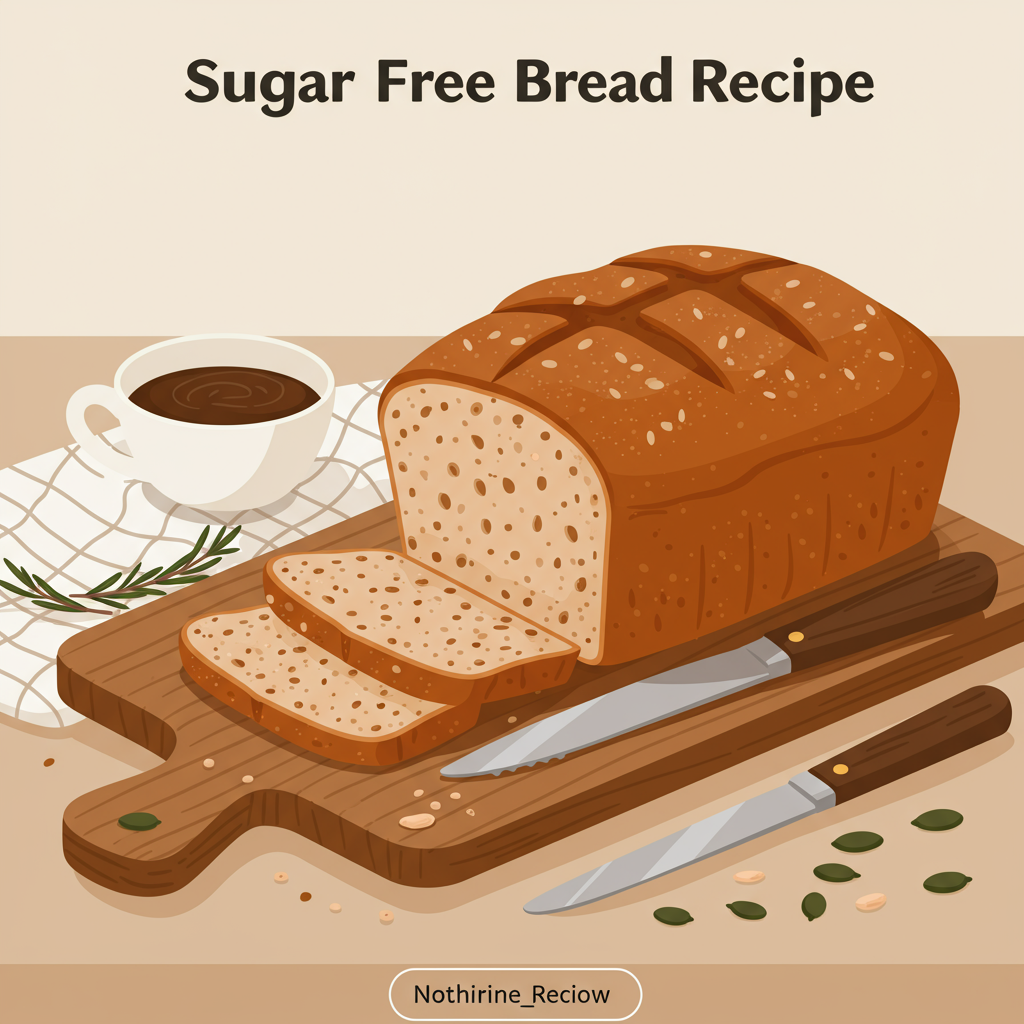
Welcome, aspiring bakers! Are you ready to embark on a delicious journey that will fill your home with the irresistible aroma of freshly baked bread? If you’ve been searching for an easy, healthy, and incredibly satisfying bread recipe, you’ve landed in the right place. This Sugar Free Bread Recipe is designed specifically for you – whether you’re a seasoned pro or taking your very first steps into the world of bread making. Forget complicated techniques and intimidating ingredients; we’re focusing on easy baking recipes that yield fantastic results every time. We’ll walk you through each stage, providing essential baking tips for beginners** to ensure your success. Get ready to bake a loaf that’s not only incredibly tasty but also fits perfectly into a sugar-conscious lifestyle. Let’s make some bread!
Ingredients You’ll Need
Gathering your ingredients is the first exciting step! For this simple and wholesome sugar-free bread, you’ll need just a few basic items. Make sure your yeast is fresh for the best rise!
| Ingredient | Quantity | Unit |
|---|---|---|
| Warm Water (105-115°F or 40-46°C) | 1.5 | cups |
| Active Dry Yeast | 2.25 | teaspoons (1 standard packet) |
| All-Purpose Flour | 3.5 – 4 | cups (plus more for dusting) |
| Salt | 1.5 | teaspoons |
| Olive Oil (or other neutral oil like vegetable oil) | 2 | tablespoons |
Step-by-Step Instructions: Baking Your Sugar-Free Loaf
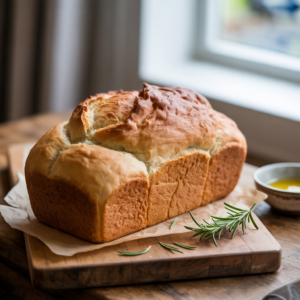
Follow these detailed steps, and you’ll be pulling a warm, golden loaf out of your oven in no time! Don’t rush, enjoy the process, and remember, practice makes perfect.
Step 1: Activate Your Yeast
In a large mixing bowl, pour in your 1.5 cups of warm water. The temperature is crucial here – it should feel like a warm bath, not too hot (which kills the yeast) and not too cold (which won’t activate it). Aim for 105-115°F (40-46°C). Sprinkle the active dry yeast over the water. Give it a gentle stir and let it sit for 5-10 minutes. You’ll know your yeast is alive and happy when it becomes foamy and bubbly on the surface. If it doesn’t foam, your yeast might be old or the water temperature was off, and you’ll need to start this step over with fresh yeast.
Step 2: Combine Dry Ingredients
While your yeast is activating, measure out 3.5 cups of the all-purpose flour into a separate bowl. Add the salt to the flour and whisk them together using your whisk. This ensures the salt is evenly distributed throughout the flour, which is important for flavor and yeast activity.
Step 3: Mix Wet and Dry Ingredients
Once your yeast is foamy, add the 2 tablespoons of olive oil to the yeast mixture. Then, gradually add the flour mixture to the wet ingredients, about a cup at a time. Use a sturdy spoon or your spatula to mix until a shaggy dough forms. It will look a bit rough and sticky at this stage, which is perfectly normal. If it’s too sticky to handle, add the remaining 0.5 cup of flour, a tablespoon at a time, until it just comes together.
Step 4: Knead the Dough
Lightly flour a clean work surface. Turn the dough out onto the floured surface. Now comes the kneading! This is where you develop the gluten, which gives your bread its structure and chewiness. Push the dough away from you with the heels of your hands, fold it back over itself, rotate it a quarter turn, and repeat. Continue kneading for 8-10 minutes. The dough should become smooth, elastic, and less sticky. A good test is the “windowpane test”: pinch off a small piece of dough and gently stretch it. If you can stretch it thin enough to see light through it without tearing, your dough is well-kneaded. If it tears easily, keep kneading!
Beginner Tip: Don’t be tempted to add too much flour during kneading. A little stickiness is okay; too much flour will result in a dry, dense loaf. Use just enough flour to prevent sticking.
Step 5: First Rise (Bulk Fermentation)
Lightly grease your large **mixing bowl** with a little oil. Place the kneaded dough into the bowl, turning it once to coat the entire surface with oil. This prevents it from drying out. Cover the bowl tightly with plastic wrap or a clean kitchen towel. Place the bowl in a warm, draft-free spot. A slightly warm oven (turned off, with just the light on) or a sunny spot works well. Let the dough rise for 1 to 1.5 hours, or until it has doubled in size. This process is called “bulk fermentation” and it’s essential for flavor development and a light texture.
Common Mistake: Not letting the dough rise long enough, or placing it in a cold spot. Patience is key here!
Step 6: Punch Down and Shape the Loaf
Once the dough has doubled, gently “punch it down” to release the air. This doesn’t mean hitting it hard, just gently pressing down with your fist. Turn the dough out onto your lightly floured work surface. Gently shape it into a rectangular loaf that will fit snugly into your standard 9×5 inch baking pan. To do this, flatten the dough into a rough rectangle, fold the longer sides into the middle, then roll it up from one short end to the other, pinching the seam closed underneath. This creates tension that helps the bread rise nicely.
Step 7: Second Rise (Proofing)
Grease your 9×5 inch baking pan. Carefully place the shaped dough into the prepared pan, seam-side down. Cover the pan loosely with plastic wrap or a clean kitchen towel. Return it to your warm, draft-free spot for its second rise (proofing). Let it rise for another 30-45 minutes, or until the dough has risen about 1 inch above the rim of the pan and looks puffy. It should feel light and airy when gently poked.
Step 8: Preheat Oven and Bake
About 15 minutes before the end of the second rise, preheat your oven to 375°F (190°C). Once preheated and the dough has completed its second rise, carefully place the baking pan with the dough into the preheated oven. Bake for 30-35 minutes, or until the crust is golden brown and the internal temperature reaches 200-210°F (93-99°C) when measured with an instant-read thermometer. If you don’t have a thermometer, tap the bottom of the loaf – it should sound hollow.
Step 9: Cool Completely
This step is often overlooked but it’s CRUCIAL! Once baked, immediately remove the bread from the baking pan and place it on a wire cooling rack. Let it cool completely for at least 1-2 hours before slicing. Slicing hot bread can make it gummy and difficult to cut neatly. Patience will be rewarded with the best texture!
Tips & Tricks for Perfect Sugar-Free Bread
- Yeast is Key: Always check your yeast expiration date. If your yeast doesn’t foam up in warm water, it’s dead, and your bread won’t rise. Start fresh!
- Water Temperature Matters: Too hot kills yeast, too cold slows it down. The sweet spot is 105-115°F (40-46°C) – think bathwater warm.
- Don’t Add Too Much Flour: Resist the urge to add excessive flour during kneading or shaping. A slightly sticky dough is better than a dry, dense loaf. The dough should be soft and pliable.
- Warm Rising Environment: Yeast loves warmth! A slightly warm (but off) oven with the light on, or a sunny spot, provides the perfect conditions for your dough to rise beautifully. Drafts are the enemy of rising dough.
- Patience with Rising: Don’t rush the rising times. The “doubled in size” visual cue is more important than the exact time listed, as kitchen temperatures can vary.
- Cool Completely: Seriously, let it cool! Slicing warm bread releases steam that needs to set the crumb, leading to a gummy texture.
- Storage: Store your cooled bread in an airtight container or bag at room temperature for up to 3-4 days. For longer storage, slice and freeze.
- Experiment with Flours: While this recipe uses all-purpose flour for beginner-friendliness, feel free to experiment with up to 50% whole wheat flour for added fiber and nutrition. You might need to add a touch more water if using whole wheat.
Essential Baking Tools
Having the right tools makes all the difference! Here are a few essentials that will make your bread-baking journey smoother:
- Mixing Bowl (large, for dough)
- Whisk
- Baking Pan (9×5 inch loaf pan)
- Measuring Cups
- Measuring Spoons (for yeast and salt)
- Spatula (or sturdy mixing spoon)
- Instant-Read Thermometer (optional, but helpful for water temp and bread doneness)
- Wire Cooling Rack
Nutrition Information (Per Slice, approx.)
Enjoying homemade bread that’s free from added sugars is a wonderful feeling. Here’s an estimated nutritional breakdown per slice (assuming 12 slices per loaf). Please note these are estimates and can vary based on specific ingredients and portion sizes.
| Nutrient | Per Slice (approx.) |
|---|---|
| Calories | 110 kcal |
| Carbohydrates | 22g |
| Protein | 4g |
| Fat | 1.5g |
| Fiber | 1g |
| Sugar | 0g |
*Nutrition facts are estimates and will vary based on specific ingredients, brands, and portion sizes.
Frequently Asked Questions (FAQs)
1. Why isn’t my dough rising?
There are a few common culprits: dead yeast (check expiration, ensure it foams in water), incorrect water temperature (too hot kills it, too cold inhibits it), or a cold environment during rising. Ensure your water is between 105-115°F and your rising spot is warm and draft-free.
2. Can I use whole wheat flour instead of all-purpose?
Yes, you can! For beginners, we recommend starting with all-purpose. However, if you’d like to use whole wheat, you can substitute up to 50% of the all-purpose flour with whole wheat flour. Keep in mind that whole wheat flour absorbs more liquid, so you might need to add an extra tablespoon or two of water to achieve the right dough consistency.
3. How do I store homemade bread?
Once completely cooled, store your bread in an airtight container, bread box, or plastic bag at room temperature for up to 3-4 days. For longer storage, slice the cooled loaf and freeze the slices in a freezer-safe bag for up to 2-3 months. You can then toast individual slices as needed!
4. Why is my bread dense and heavy?
Dense bread can be caused by several factors: not enough kneading (which doesn’t develop gluten sufficiently), under-proofing (the dough didn’t get enough time to rise and create air pockets), too much flour (making the dough stiff), or sometimes dead yeast. Review the kneading and rising steps carefully for your next bake!
5. Can I add seeds or herbs to this recipe?
Absolutely! This is a great way to customize your bread. You can add a tablespoon or two of dried herbs (like rosemary or oregano), or a quarter cup of seeds (like sunflower, pumpkin, or flax seeds) during Step 3, when you’re mixing the wet and dry ingredients. Just fold them in until evenly distributed.
Enjoy Your Homemade Sugar-Free Bread!
Congratulations, baker! You’ve successfully made your very own loaf of delicious, wholesome, **Sugar Free Bread**. There’s nothing quite like the taste and texture of freshly baked bread, especially when you’ve made it with your own hands. This recipe is perfect for sandwiches, toast,
or simply enjoying with a pat of butter. Don’t be afraid to experiment and make it your own. We hope this detailed guide has given you the confidence and baking tips for beginners you need to continue your baking adventures. Share your creations, tell us how it went, and most importantly, savor every slice! Happy baking!
“`