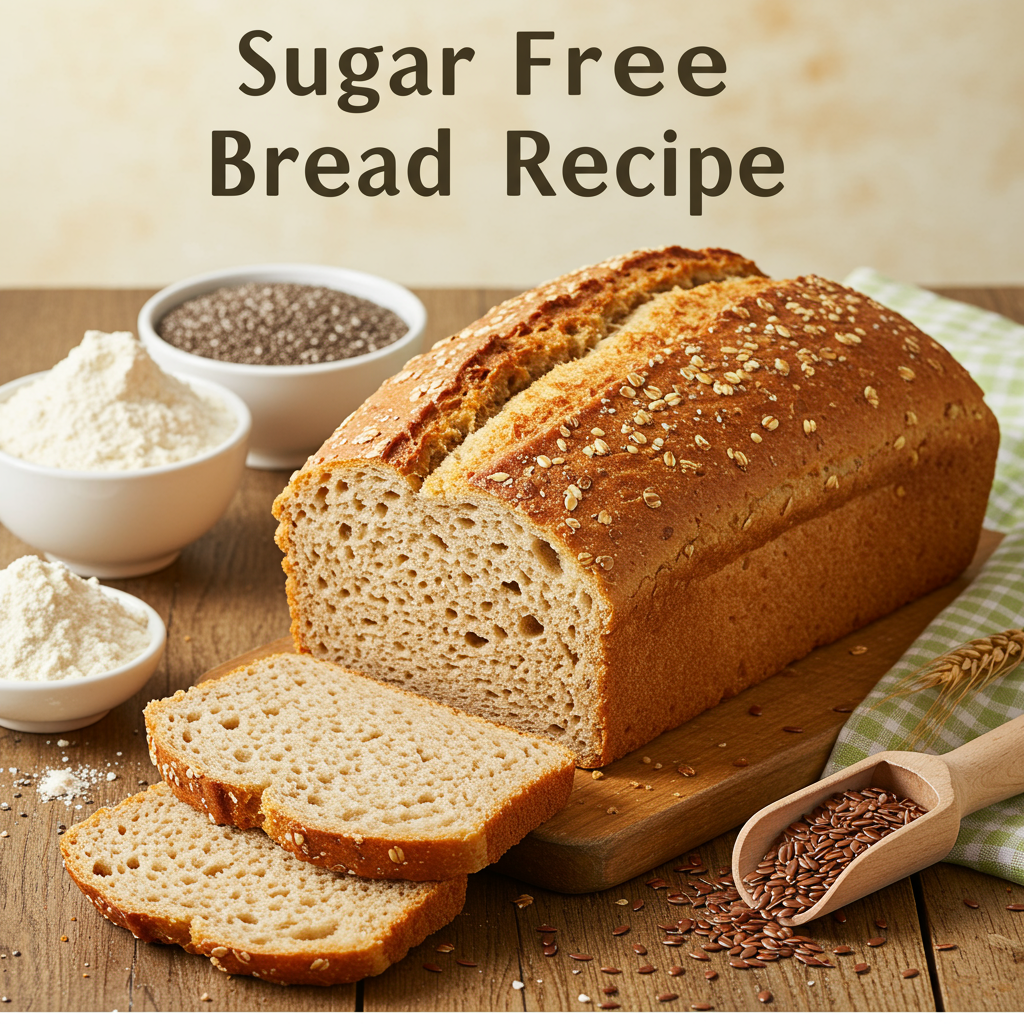
Bake Your Own Delicious Sugar-Free Bread: A Beginner-Friendly Guide!
Are you ready to embark on a delightful baking adventure that will fill your home with the irresistible aroma of freshly baked bread? If you’ve been searching for a healthy, wholesome alternative to store-bought loaves, you’ve come to the right place! This **Sugar Free Bread Recipe** is perfect for anyone looking to reduce their sugar intake without sacrificing flavor or texture. Don’t let the idea of baking bread intimidate you – this guide is specifically designed with **baking tips for beginners** in mind, making it one of the easiest and most rewarding **easy baking recipes** you’ll ever try. Get ready to impress yourself and your loved ones with a loaf that’s not only incredibly tasty but also wonderfully good for you!
We’ll walk you through every single step, from activating your yeast to that glorious moment when you pull a golden-brown loaf from the oven. Forget complicated techniques; we’re focusing on simplicity and success. Whether you’re managing dietary restrictions, looking for healthier options, or simply want to experience the pure joy of homemade bread, this recipe is your perfect starting point. So, tie on your apron, gather your ingredients, and let’s make some amazing sugar-free bread together!
What Makes This Bread Sugar-Free?
You might be wondering, “Don’t yeast need sugar to activate?” While it’s true that yeast consumes sugar, it can also metabolize the complex carbohydrates (starches) found naturally in flour. This recipe relies solely on the natural sugars in the flour for the yeast to do its work, meaning we don’t add any granulated sugar, honey, maple syrup, or artificial sweeteners. The result is a clean-tasting, wholesome loaf that’s naturally delicious.
Essential Ingredients for Your Sugar-Free Bread
Before we start, let’s make sure you have all the necessary ingredients. Accuracy in measuring is key, especially for beginners!
| Ingredient | Quantity | Unit |
|---|---|---|
| Warm Water (105-115°F / 40-46°C) | 1 ½ | cups |
| Active Dry Yeast | 2 ¼ | teaspoons (1 packet) |
| All-Purpose Flour (or Bread Flour) | 3 ½ – 4 | cups |
| Salt | 1 ½ | teaspoons |
| Olive Oil (or other neutral oil) | 2 | tablespoons |
Step-by-Step Instructions: Baking Your Sugar-Free Loaf
Follow these detailed steps carefully, and you’ll be enjoying your homemade bread in no time!
Step 1: Activate the Yeast (The First Sign of Life!)
- Warm the Water: Measure 1 ½ cups of warm water. The temperature is crucial here – it should be between 105-115°F (40-46°C). Too cold, and the yeast won’t activate; too hot, and you’ll kill it. A kitchen thermometer is very helpful here, but if you don’t have one, it should feel like warm bathwater, not hot.
- Proof the Yeast: Pour the warm water into a large mixing bowl. Sprinkle the 2 ¼ teaspoons of active dry yeast evenly over the water. Do not stir it in yet! Let it sit undisturbed for about 5-10 minutes. You should see a foamy, bubbly layer forming on the surface. This is your yeast waking up and telling you it’s alive and ready to work! If it doesn’t foam, your yeast might be old or the water temperature was off – you’ll need to start again with fresh yeast and correct water temperature.
Step 2: Combine Wet and Dry Ingredients
- Add Oil and Salt: Once your yeast is foamy, add the 2 tablespoons of olive oil and 1 ½ teaspoons of salt to the yeast mixture. Give it a gentle stir.
- Gradually Add Flour: Now, start adding your flour. Begin by adding 3 cups of the all-purpose flour, one cup at a time, mixing with a wooden spoon or spatula after each addition. The dough will start to come together and become shaggy.
- Adjust Consistency: Once 3 cups are incorporated, add the remaining ½ to 1 cup of flour gradually, ¼ cup at a time, until the dough forms a shaggy ball that pulls away from the sides of the bowl. It should be slightly sticky but manageable. Beginner Tip: Don’t add all the flour at once! The exact amount of flour can vary depending on humidity and your flour type. You want a soft, slightly sticky dough, not a dry, stiff one.
Step 3: Knead the Dough (Building Strength!)
- Prepare Your Surface: Lightly flour a clean countertop or a large wooden cutting board.
- Start Kneading: Turn the dough out onto your floured surface. Begin kneading by pushing the dough away from you with the heels of your hands, then folding it back towards you. Rotate the dough a quarter turn and repeat. Continue this motion for 8-10 minutes.
- What to Look For: As you knead, the dough will transform from shaggy and sticky to smooth, elastic, and less sticky. It will become springy and hold its shape. Beginner Tip: Kneading develops the gluten in the flour, which gives bread its structure and chewiness. Don’t be afraid to put a little muscle into it! If the dough feels too sticky, lightly flour your hands and the surface, but try not to add too much extra flour.
- The Windowpane Test (Optional but insightful): To check if your dough is sufficiently kneaded, pinch off a small piece and gently stretch it. If you can stretch it thin enough to see light through it without it tearing, it’s ready! This indicates strong gluten development.
Step 4: First Rise (Proofing – The Magic Begins!)
- Prepare the Bowl: Lightly grease a clean large mixing bowl with a little olive oil.
- Place the Dough: Place the kneaded dough ball into the greased bowl, turning it once to coat the entire surface with oil. This prevents it from drying out.
- Cover and Rise: Cover the bowl tightly with plastic wrap or a clean kitchen towel. Place the bowl in a warm, draft-free spot. A slightly warm oven (turned off, with just the light on) or a sunny spot on your counter works well.
- Let it Rise: Allow the dough to rise for 1 to 1 ½ hours, or until it has doubled in size. This process is called proofing, and it’s essential for a light, airy loaf. Beginner Tip: Be patient! The exact time depends on the warmth of your environment. Don’t rush this step.
Step 5: Shape the Loaf
- Punch Down: Once the dough has doubled, gently punch it down in the center to release the accumulated gases. This helps create an even texture.
- Prepare Baking Pan: Lightly grease a standard 9×5 inch loaf pan.
- Shape the Dough: Turn the dough out onto a lightly floured surface. Gently flatten it into a rectangle, roughly the length of your loaf pan. Starting from one of the longer sides, roll the dough tightly into a log. Pinch the seam closed at the bottom and tuck in the ends.
- Place in Pan: Place the shaped dough, seam-side down, into your prepared loaf pan.
Step 6: Second Rise (The Final Puff!)
- Cover and Rise Again: Loosely cover the loaf pan with plastic wrap or a clean kitchen towel.
- Second Proof: Place the pan back in your warm, draft-free spot for another 30-45 minutes, or until the dough has risen significantly and extended about 1 inch above the rim of the pan. It should look puffy and light. Beginner Tip: The second rise is shorter but equally important for the final texture and volume of your bread.
Step 7: Bake Your Bread!
- Preheat Oven: About 15 minutes before the second rise is complete, preheat your oven to 375°F (190°C).
- Bake: Once the oven is preheated and the dough has completed its second rise, carefully place the loaf pan into the preheated oven.
- Baking Time: Bake for 30-35 minutes. The bread should be golden brown on top, and when you gently tap the bottom of the loaf (after carefully removing it from the pan), it should sound hollow.
- Internal Temperature Check (Optional but recommended): For perfect doneness, the internal temperature of the bread should reach 200-210°F (93-99°C).
Step 8: Cool and Enjoy!
- Remove from Pan: As soon as the bread is done, carefully remove it from the loaf pan and transfer it to a wire cooling rack.
- Cool Completely: This is a crucial step! Allow the bread to cool completely on the rack for at least 1-2 hours before slicing. Slicing hot bread can make it gummy inside. Beginner Tip: Resist the urge to cut into it immediately! Cooling allows the internal structure to set and steam to escape, resulting in the best texture.
- Slice and Serve: Once cool, slice your beautiful, homemade sugar-free bread and enjoy!
Tips & Tricks for Beginner Bread Bakers
Baking bread is a joyful process, and a few simple tips can make all the difference, especially when you’re just starting out!
- Accurate Measuring is Key: Especially for flour. Use a kitchen scale for the most accurate results (1 cup of all-purpose flour is typically 120-125 grams). If using measuring cups, spoon the flour into the cup and then level it off with a straight edge; don’t scoop directly from the bag, as this can compact the flour and lead to too much being added.
- Yeast is Alive: Treat your yeast with care! Ensure your water temperature is just right for activation. If your yeast doesn’t foam, it’s dead, and your bread won’t rise. Start over with fresh yeast.
- Don’t Be Afraid to Knead: Kneading is essential for developing gluten, which gives bread its structure. It might feel sticky at first, but with practice, you’ll get the hang of it. If it’s too sticky, add a *tiny* bit more flour, but a slightly tacky dough is ideal.
- Patience with Proofing: Dough rises at its own pace. Environmental factors like room temperature and humidity can affect rising time. Don’t rush it! A warm, draft-free spot is crucial for a good rise.
- The Knock Test: A fully baked loaf will sound hollow when tapped on the bottom. This is a reliable indicator that it’s cooked through.
- Cool Completely: This cannot be stressed enough! Slicing hot bread can result in a gummy texture. Let it cool on a wire rack to allow steam to escape and the crumb to set.
- Store Properly: Once cooled, store your bread in an airtight container or bread bag at room temperature for 3-4 days, or slice and freeze for longer storage.
Essential Baking Tools for Success
Having the right tools makes baking a breeze. Here are a few essentials you’ll want to have on hand:
- Large Mixing Bowl
- Whisk (or Fork for yeast)
- 9×5 inch Loaf Baking Pan
- Measuring Cups and Spoons
- Rubber Spatula or Wooden Spoon
- Kitchen Scale (highly recommended for accuracy)
- Instant-Read Thermometer (for water temperature and internal bread temp)
- Wire Cooling Rack
Estimated Nutrition Information (Per Slice – Approx. 12-16 slices per loaf)
Please note: This is an estimate based on average ingredient values and will vary depending on exact ingredients used, loaf size, and number of slices.
| Nutrient | Amount (Estimate) |
|---|---|
| Calories | 120-150 kcal |
| Total Carbohydrates | 25-30 g |
| Protein | 4-5 g |
| Total Fat | 2-3 g |
| Dietary Fiber | 1-2 g |
| Total Sugars | < 1 g |
Frequently Asked Questions (FAQs)
Q1: Why is my bread dense or not rising enough?
A: Several factors can cause this. The most common reasons are: 1) Your yeast wasn’t active (water too hot/cold, old yeast). 2) You added too much flour, making the dough too stiff. 3) Not enough kneading, which means gluten didn’t develop properly. 4) The dough didn’t rise long enough in either of the proofing stages.
Q2: Can I use whole wheat flour for this recipe?
A: Yes, you absolutely can! Whole wheat flour absorbs more liquid than all-purpose flour, so you might need to add a little extra water (1-2 tablespoons) or slightly less flour to achieve the right dough consistency. Whole wheat dough can also be a bit heavier, so it might take a little longer to rise.
Q3: How do I know if my yeast is active?
A: When you sprinkle the active dry yeast over warm water and let it sit for 5-10 minutes, it should get foamy and bubbly on the surface. This “bloom” indicates that the yeast is alive and ready to work. If there’s no foam, your yeast is likely dead, and you’ll need to start with fresh yeast.
Q4: How should I store homemade sugar-free bread?
A: Once completely cooled, store your bread in an airtight container, a bread bag, or wrapped in plastic wrap at room temperature for 3-4 days. For longer storage, slice the cooled loaf and freeze the slices in a freezer-safe bag for up to 2-3 months. You can then toast individual slices directly from frozen.
Q5: My bread tastes bland. What can I do?
A: Ensure you’re using enough salt – it’s crucial for flavor in bread. You can also experiment with adding herbs (like dried rosemary or oregano) or a tablespoon of finely minced garlic to the dough for an extra savory kick. Just be sure to keep them sugar-free!
Ready to Enjoy Your Homemade Masterpiece?
Congratulations! You’ve successfully baked a delicious, wholesome loaf of **Sugar Free Bread** right in your own kitchen. There’s truly nothing quite like the taste and satisfaction of homemade bread, especially when you know exactly what went into it. This recipe is a fantastic stepping stone into the wonderful world of baking, proving that healthy and delicious can go hand-in-hand, and that even **baking tips for beginners** can lead to professional-looking results.
So go ahead, slice into that warm, fragrant loaf. Enjoy it with a smear of your favorite sugar-free spread, use it for a healthy sandwich, or simply savor it plain. We hope this guide has empowered you to bake with confidence and brought a little extra joy (and amazing aroma!) into your home. Happy baking, and don’t forget to share your baking journey with us!
“`