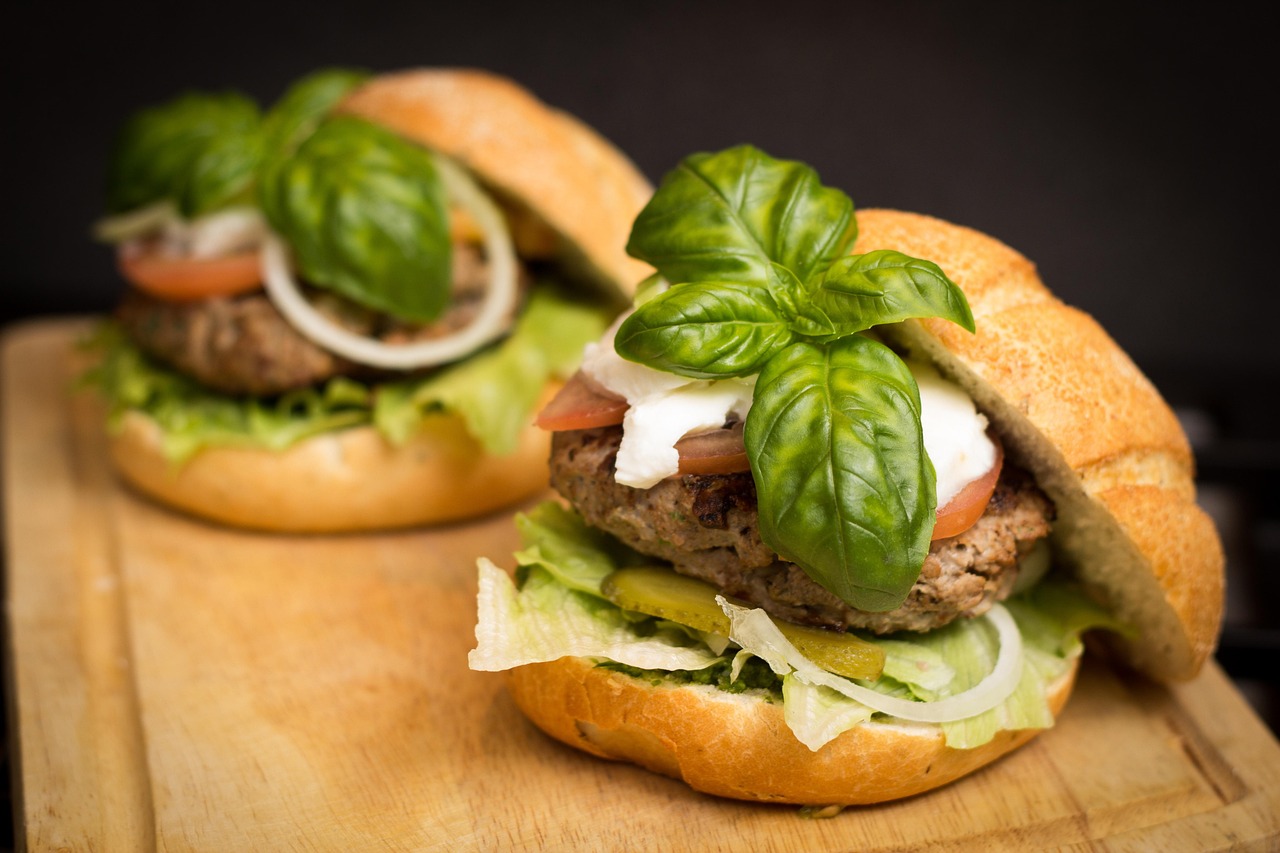
Welcome, fellow food lovers and aspiring bakers! Have you ever walked into a Panera Bread and been instantly drawn in by the irresistible aroma of freshly baked bread? If you’re anything like us, their Tomato Basil Bread holds a special place in your heart (and stomach!). The perfect balance of tangy sun-dried tomatoes, fragrant fresh basil, and a soft, chewy crumb is truly something magical. But what if we told you that you could recreate that magic right in your own kitchen? Yes, you heard that right!
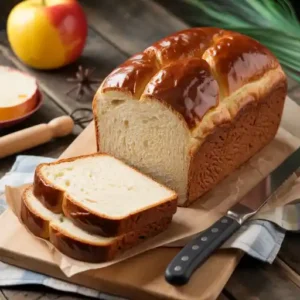
This Tomato Basil Bread Panera Recipe is designed specifically for home bakers, even if you’ve never baked a loaf of bread in your life. We’re here to demystify bread making and show you just how simple and rewarding it can be. Get ready to impress yourself and everyone around you with this incredibly flavorful loaf, packed with helpful baking tips for beginners and designed to be one of the most easy baking recipes you’ll ever try!
Ingredients List
Gathering your ingredients before you start is a key step to stress-free baking. Here’s what you’ll need to create your delicious Tomato Basil Bread:
| Ingredient | Quantity |
|---|---|
| Warm Water (105-115°F / 40-46°C) | 1 ½ cups |
| Active Dry Yeast | 2 ¼ teaspoons (1 standard packet) |
| Granulated Sugar | 1 tablespoon + 1 teaspoon |
| All-Purpose Flour | 4 cups (approx.) |
| Salt | 1 ½ teaspoons |
| Olive Oil | 3 tablespoons (plus extra for greasing) |
| Sun-Dried Tomatoes (oil-packed, drained & chopped) | ½ cup |
| Fresh Basil, chopped | ¼ cup |
| Garlic Powder (optional, for extra flavor) | ½ teaspoon |
Step-by-Step Instructions: Baking Your Tomato Basil Bread
Let’s get baking! Follow these detailed steps carefully, and you’ll be enjoying warm, homemade bread in no time. Don’t worry if it’s your first time; we’ll walk you through everything.
-
Activate the Yeast (The First Step to Life!)
In a large mixing bowl (or the bowl of your stand mixer), combine the warm water (make sure it’s not too hot or too cold – think bathwater warm, between 105-115°F or 40-46°C), 1 tablespoon of granulated sugar, and the active dry yeast. Stir gently and let it sit for about 5-10 minutes. You’ll know your yeast is alive and well when it becomes foamy and bubbly on the surface. This “proofing” step is crucial – if it doesn’t foam, your yeast might be old or the water temperature was off, and it’s best to start over with fresh yeast.
-
Mix the Dough (Getting Things Started)
Once your yeast is frothy, add 2 cups of the all-purpose flour, the salt, the remaining 1 teaspoon of sugar, and 2 tablespoons of olive oil to the yeast mixture. Mix with a wooden spoon or a dough hook on low speed until just combined. The mixture will be quite wet and shaggy at this point, and that’s perfectly normal.
-
Gradually Add Flour & Knead (Developing the Gluten)
Now, gradually add the remaining flour, about ½ cup at a time, mixing well after each addition. The exact amount of flour can vary based on humidity and how much your flour absorbs liquid. You want a dough that is still slightly sticky but manageable. Once the dough starts to come together, turn it out onto a lightly floured surface.
- For Hand Kneading: Push the dough away from you with the heels of your hands, fold it back over, turn it a quarter turn, and repeat. Continue kneading for 8-10 minutes until the dough is smooth, elastic, and springs back when gently poked. This develops the gluten, which gives bread its structure.
- For Stand Mixer: Attach the dough hook and knead on medium-low speed for 6-8 minutes until the dough pulls away from the sides of the bowl and is smooth and elastic.
Beginner Tip: Don’t be afraid to get your hands messy! If the dough is too sticky, add a *tiny* bit more flour (a tablespoon at a time). If it’s too stiff, add a *tiny* bit more water. The goal is a soft, pliable dough.
-
Incorporate Flavor (The Panera Magic!)
Once your dough is kneaded, flatten it slightly and evenly sprinkle the chopped sun-dried tomatoes, fresh basil, and optional garlic powder over the surface. Gently fold the dough over and continue kneading for another 1-2 minutes until the additions are evenly distributed throughout the dough. Be careful not to over-knead once the additions are in, as this can tear the gluten strands you’ve just developed.
-
First Rise (Bulk Fermentation)
Lightly grease a clean large bowl with the remaining 1 tablespoon of olive oil. Place the dough in the bowl, turning it once to coat the entire surface with oil. Cover the bowl tightly with plastic wrap or a clean kitchen towel. Place it in a warm, draft-free spot (like a slightly warm oven that’s turned off, or near a sunny window). Let it rise for 1-1.5 hours, or until it has roughly doubled in size. This is called the “first rise” or “bulk fermentation,” and it’s where the yeast gets to work creating those lovely air pockets.
Common Mistake: Don’t rush this step! An under-risen dough will result in dense bread. Patience is key in bread making.
-
Punch Down & Shape the Loaf
Once the dough has doubled, gently “punch it down” to release the air. This isn’t aggressive; just a gentle deflate. Turn the dough out onto a lightly floured surface. Gently shape it into a rectangular loaf that will fit snugly into a standard 9×5-inch loaf pan. Try to create some surface tension by gently pulling the edges under the loaf.
-
Second Rise (Proofing)
Grease your 9×5-inch loaf pan with a little olive oil. Carefully place the shaped dough into the prepared pan. Cover the loaf pan loosely with plastic wrap or a kitchen towel. Return it to that warm, draft-free spot for another 30-45 minutes, or until the dough has risen again and is noticeably puffy, almost spilling over the top of the pan. This is called “proofing,” and it’s the final rise before baking.
Beginner Tip: To test if it’s ready, gently poke the dough with a floured finger. If the indentation slowly springs back, it’s ready. If it springs back too quickly, it needs more time. If it collapses, it’s over-proofed (but usually still salvageable!).
-
Preheat Oven & Prepare for Baking
About 15 minutes before the second rise is complete, preheat your oven to 375°F (190°C). You can brush the top of your loaf with a little olive oil for a slightly crisper crust, or leave it plain.
-
Bake Your Bread!
Place the loaf pan in the preheated oven. Bake for 30-35 minutes, or until the crust is golden brown and the internal temperature reaches 200-210°F (93-99°C) when measured with an instant-read thermometer. If the top is browning too quickly, you can loosely tent it with aluminum foil.
Alternative: If you don’t have a thermometer, tap the bottom of the loaf. It should sound hollow when fully baked. This is a classic baker’s trick!
-
Cool Completely (The Hardest Part!)
Once baked, immediately remove the bread from the loaf pan and transfer it to a wire cooling rack. Let it cool completely for at least 1-2 hours before slicing. We know it’s tempting, but slicing hot bread can lead to a gummy texture inside. Cooling allows the starches to set and the moisture to redistribute, giving you that perfect crumb.
Tips & Tricks for Beginner Bread Bakers
Baking bread is a journey, not a race. Here are some extra pointers to help you along the way and ensure your Tomato Basil Bread turns out perfectly every time:
- Measure Accurately: Especially with flour, use the “spoon and level” method. Spoon flour into your measuring cup and then level it off with a straight edge (like a knife). Don’t scoop directly from the bag, as this compacts the flour and you’ll end up with too much.
- Yeast Freshness: Always check the expiration date on your yeast. Old yeast is dead yeast, and your bread won’t rise. Store opened yeast in an airtight container in the fridge or freezer.
- Oven Temperature: Ovens can be notoriously inaccurate. Consider investing in an inexpensive oven thermometer to ensure your oven is truly at the temperature you set it to.
- Warm Environment for Rising: If your kitchen is cool, find a warm spot for your dough to rise. A proofer setting on your oven, a sunny window, or even just turning on your oven for 5 minutes and then turning it off (and letting it cool slightly) can create the ideal environment.
- Don’t Over-Flour: While kneading, resist the urge to add too much extra flour. A slightly sticky dough is better than a dry, stiff one, which will result in dense, tough bread.
- Patience is Key: Bread baking teaches patience. Don’t rush the rising times; let the dough tell you when it’s ready, not the clock.
- Storage: Store your cooled bread in an airtight container or bread bag at room temperature for 3-4 days. For longer storage, slice and freeze.
Essential Baking Tools
Having the right tools makes all the difference, especially when you’re starting out. Here are some essentials you’ll want to have on hand:
- Large Mixing Bowl
- Whisk (for activating yeast)
- 9×5-inch Loaf Pan
- Measuring Cups and Measuring Spoons
- Rubber Spatula or wooden spoon
- Instant-Read Thermometer (optional, but highly recommended for accuracy)
- Wire Cooling Rack
Nutrition Information (Estimated per slice, assuming 12 slices per loaf)
While homemade bread is always a treat, here’s an estimated nutritional breakdown for a typical slice:
| Nutrient | Amount |
|---|---|
| Calories | 180-200 kcal |
| Carbohydrates | 30-35g |
| Protein | 6-7g |
| Fat | 4-5g |
| Fiber | 2-3g |
| Sugar | 2-3g |
*Please note: These are estimated values and can vary based on specific ingredients and preparation.
Frequently Asked Questions (FAQs)
Q1: My yeast didn’t foam. What went wrong?
A: The most common reasons are water temperature being too hot (killing the yeast) or too cold (not activating it), or the yeast itself being old/inactive. Ensure your water is between 105-115°F (40-46°C) and check your yeast’s expiration date. It’s best to start over with fresh yeast if it doesn’t foam.
Q2: Can I use dried basil instead of fresh?
A: Yes, you can! As a general rule, use about 1/3 the amount of dried herbs compared to fresh. So, for ¼ cup of fresh basil, you would use about 1 tablespoon of dried basil. The flavor will be slightly different, but still delicious.
Q3: My dough isn’t rising. What should I do?
A: If your yeast proofed correctly, the issue is likely temperature. Ensure your dough is in a warm, draft-free environment. Sometimes it just needs more time. If your kitchen is cold, try placing the covered bowl in a slightly warm (turned off) oven or near a warm spot. If after several hours it still hasn’t risen, your yeast may have died or wasn’t activated properly.
Q4: How do I know when the bread is fully baked?
A: The best way is to use an instant-read thermometer. The internal temperature should be between 200-210°F (93-99°C). If you don’t have one, tap the bottom of the loaf – it should sound hollow. The crust should also be a deep golden brown.
Q5: Can I make this bread ahead of time?
A: Absolutely! You can prepare the dough up to the first rise. After the first rise, punch down the dough, place it in an oiled bowl, cover it tightly with plastic wrap, and refrigerate it overnight (up to 24 hours). The next day, let it come to room temperature for about 30-60 minutes before proceeding with shaping and the second rise.
Conclusion: Enjoy Your Homemade Panera-Style Bread!
Congratulations, you’ve just baked a beautiful loaf of Tomato Basil Bread Panera Recipe style! There’s nothing quite like the smell and taste of warm, homemade bread, especially when it’s infused with such vibrant flavors. You’ve tackled yeast, kneading, and rising – all fundamental skills in the world of baking. We hope this beginner-friendly guide has shown you that bread making isn’t intimidating at all, but rather a wonderfully rewarding experience.
Slice it thick, slather it with butter, dunk it in soup, or make the best grilled cheese of your life. However you choose to enjoy it, savor every bite of your accomplishment. Don’t forget to share your baking success with us – happy baking, and enjoy your delicious creation!
“`