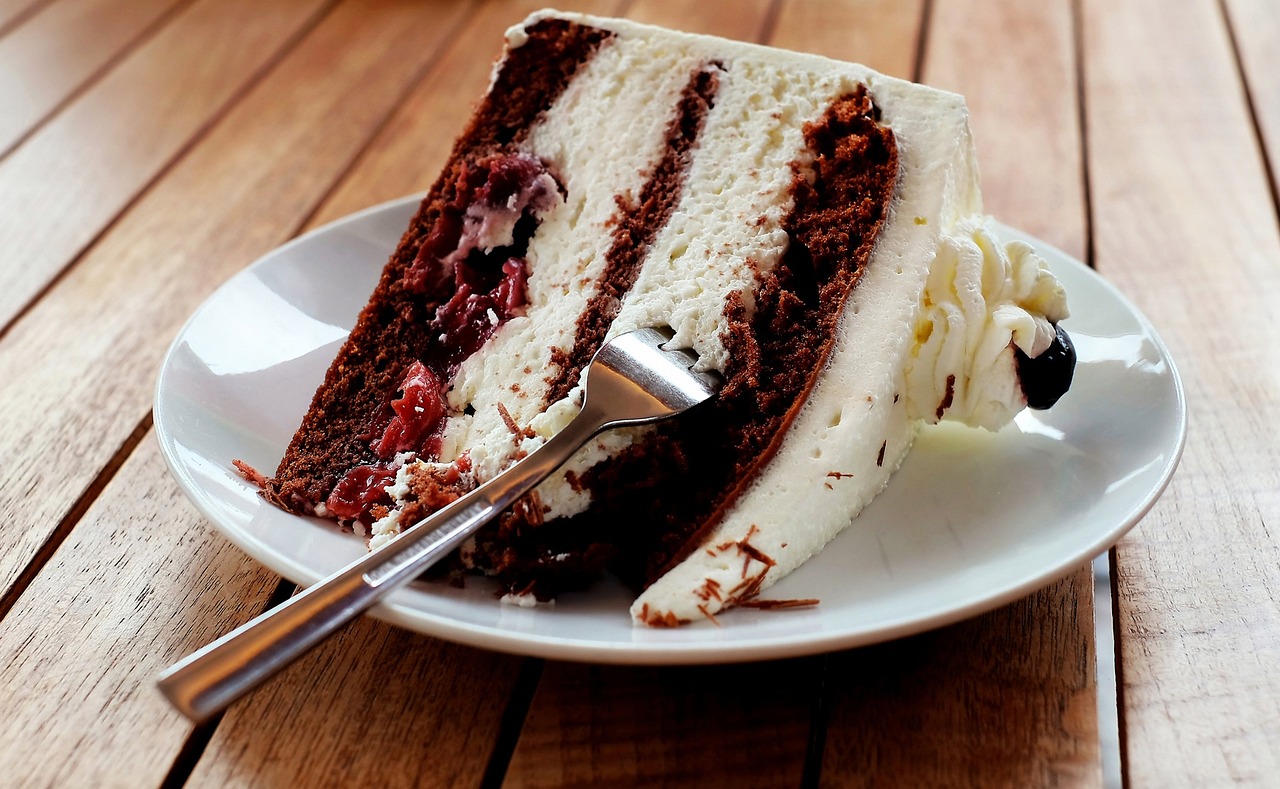
Welcome, aspiring bakers! Are you ready to embark on a delightful culinary journey to the Caribbean? Today, we’re diving into the heart of Trinidadian festivities with our Trinidad Black Rum Cake Recipe. This isn’t just any cake; it’s a moist, rich, and deeply flavorful creation, steeped in tradition and, of course, black rum!
Often made for Christmas and special occasions, its unique taste comes from fruit soaked for months (or at least days!) in rum, molasses, and a blend of warm spices. Don’t be intimidated if you’re new to baking; this post is packed with easy baking recipes principles and baking tips for beginners to ensure your success. Get ready to bake a masterpiece that will impress everyone!
Ingredients List
Gathering your ingredients correctly is the first step to baking success. Ensure everything is at room temperature unless otherwise specified.
| Ingredient | Quantity | Unit |
|---|---|---|
| Dried Mixed Fruit (raisins, currants, prunes, glacé cherries) | 2 | cups |
| Trinidad Black Rum (or dark rum) | 1.5 – 2 | cups |
| All-Purpose Flour | 2.5 | cups |
| Baking Powder | 2 | teaspoons |
| Ground Cinnamon | 1 | teaspoon |
| Ground Nutmeg | 0.5 | teaspoon |
| Ground Clove | 0.25 | teaspoon |
| Unsalted Butter, softened | 1 | cup (2 sticks) |
| Granulated Sugar | 1 | cup |
| Large Eggs, room temperature | 4 | |
| Vanilla Extract | 1 | teaspoon |
| Browning (optional, for color) | 1-2 | tablespoons |
| Molasses (unsulphured) | 2 | tablespoons |
| Lime or Lemon Zest | 1 | teaspoon |
| Additional Black Rum (for soaking cake) | 0.5 – 1 | cup |
Step-by-Step Instructions
Follow these detailed steps carefully, and you’ll be on your way to a perfectly baked Trinidad Black Rum Cake. Remember, precision and patience are your best friends in baking!
1. Prepare the Soaked Fruit (The Secret to Flavor!)
This is where the magic begins! For the most authentic flavor, you’ll ideally want to start this step weeks or even months in advance. However, a minimum of 2-3 days is sufficient for a good result.
- Chop the Fruit: If your dried mixed fruit isn’t already finely chopped, give it a good chop. Aim for pieces no larger than a raisin. This ensures even distribution and flavor.
- Soak in Rum: Place the chopped dried fruit in a clean, airtight glass jar or container. Pour 1.5 to 2 cups of Trinidad Black Rum (or a good quality dark rum) over the fruit. Ensure all the fruit is submerged. If it’s not, add a little more rum.
- Store: Seal the jar tightly and store it in a cool, dark place (like a pantry) for at least 2-3 days. For a truly traditional cake, some people soak their fruit for months or even a year, replenishing the rum as needed. The longer it soaks, the deeper the flavor will be!
2. Preheat Oven & Prepare Baking Pan
- Preheat: Preheat your oven to 300°F (150°C). Rum cakes bake at a lower temperature for a longer time to ensure they cook through without drying out.
- Prepare Pan: Grease and flour a 9-inch round cake pan or an 8×8 inch square pan. For extra insurance against sticking, you can line the bottom with parchment paper after greasing, then grease and flour the paper too. This is a dense cake, so proper pan prep is crucial!
3. Sift Dry Ingredients
- Combine & Sift: In a medium bowl, whisk together the 2.5 cups All-Purpose Flour, 2 teaspoons Baking Powder, 1 teaspoon Ground Cinnamon, 0.5 teaspoon Ground Nutmeg, and 0.25 teaspoon Ground Clove. Sifting isn’t just for removing lumps; it also aerates the flour, which makes for a lighter cake crumb.
- Set Aside: Once sifted, set the dry ingredients aside.
4. Cream Butter and Sugar
This step is vital for a light and fluffy cake texture!
- Beat Butter: In a large mixing bowl, using an electric mixer (handheld or stand mixer with paddle attachment), beat the 1 cup (2 sticks) softened unsalted butter on medium speed until it’s light and fluffy, about 2-3 minutes. Beginner Tip: Ensure your butter is truly softened (press your finger into it, and it should leave an indent easily, but not be melted). Cold butter won’t cream properly, and melted butter will result in a dense cake.
- Add Sugar: Gradually add the 1 cup Granulated Sugar to the butter, beating well after each addition. Continue to beat on medium-high speed for another 5-7 minutes, or until the mixture is pale yellow, light, and fluffy. This process incorporates air into the batter, which is essential for the cake’s rise and texture.
5. Incorporate Eggs and Flavorings
- Add Eggs: Add the 4 large eggs, one at a time, beating well after each addition until fully incorporated. Scrape down the sides of the bowl as needed to ensure everything is mixed evenly. Beginner Tip: Adding eggs one at a time helps emulsify the batter, preventing it from splitting or curdling.
- Add Flavorings: Stir in the 1 teaspoon Vanilla Extract, 1-2 tablespoons Browning (if using), 2 tablespoons Molasses, and 1 teaspoon Lime or Lemon Zest. The browning adds a rich, dark color without significantly altering the flavor, while molasses adds depth and moisture.
6. Combine Wet and Dry Ingredients
- Alternate Additions: With the mixer on low speed, gradually add the dry ingredients to the wet ingredients, alternating with small amounts of the rum-soaked fruit (which you should drain slightly if there’s excessive liquid, but keep some rum with the fruit).
- Mixing Technique: Begin and end with the dry ingredients. Add about one-third of the flour mixture, mix until just combined, then add about one-third of the fruit, mix, and repeat. Beginner Tip: Mix only until just combined! Overmixing the batter will develop the gluten in the flour, resulting in a tough, dense cake. A few streaks of flour are better than an overmixed batter.
- Fold in Remaining Fruit: Once the flour and fruit are mostly incorporated, remove the bowl from the mixer and use a spatula to gently fold in any remaining fruit and ensure no pockets of dry flour remain at the bottom of the bowl.
7. Bake the Cake
- Transfer Batter: Pour the batter into your prepared baking pan, spreading it evenly with a spatula.
- Bake: Bake in the preheated 300°F (150°C) oven for 1 hour and 30 minutes to 2 hours. The exact baking time will depend on your oven and pan size.
- Check for Doneness: The cake is done when a wooden skewer or toothpick inserted into the center comes out clean or with moist crumbs attached (but no wet batter). The top should be dark golden brown and firm to the touch. Beginner Tip: Avoid opening the oven door too frequently, especially during the first hour, as this can cause the cake to sink.
- Cool in Pan: Once baked, remove the cake from the oven and let it cool in the pan for 15-20 minutes on a wire rack. This allows the cake to set and prevents it from breaking when you invert it.
- Invert & Cool Completely: After 15-20 minutes, carefully invert the cake onto the wire rack, remove the pan (and parchment paper, if used), and let it cool completely.
8. Soak the Cake with Additional Rum (The Final Touch!)
This is what makes a rum cake truly special and moist!
- Prepare for Soaking: Once the cake is completely cool, use a skewer or fork to poke holes all over the top surface of the cake. These holes will help the rum penetrate deeply.
- Pour Rum: Slowly and gradually pour the additional 0.5 to 1 cup of Black Rum over the entire surface of the cake, allowing it to soak in. You can do this in several stages over a few hours, or even over a day.
- Store & Mature: For best results, wrap the rum-soaked cake tightly in plastic wrap or aluminum foil and store it in an airtight container at room temperature for at least 24 hours before slicing and serving. This allows the flavors to meld and the rum to fully distribute. Many people “feed” their rum cakes with a little more rum over several days or even weeks to achieve maximum moisture and flavor.
Tips & Tricks for a Perfect Rum Cake
- Room Temperature Ingredients: Always ensure butter and eggs are at room temperature. This helps them emulsify better, creating a smoother, more uniform batter and a lighter cake.
- Don’t Overmix: Overmixing develops gluten, leading to a tough, dry cake. Mix until just combined when adding flour.
- Sift Your Dry Ingredients: This removes lumps and aerates the flour, contributing to a lighter texture.
- Quality Rum Matters: Since rum is a star ingredient, use a good quality Trinidadian black rum or a dark, aged rum for the best flavor.
- Patience with Soaking: The longer your fruit soaks, the deeper the flavor. The longer your baked cake soaks, the moister and more flavorful it becomes. Don’t rush this step!
- Use Browning for Color: If you want that characteristic dark, rich color without adding extra chocolate or coffee, browning is your secret weapon. It’s essentially caramelized sugar that adds color.
- Test Your Oven: Oven temperatures can vary. Investing in an inexpensive oven thermometer can ensure your oven is truly at 300°F (150°C).
- Storage: Rum cakes actually improve with age! Store them tightly wrapped in plastic wrap and then in an airtight container at room temperature for up to 2 weeks, or in the refrigerator for longer. The alcohol acts as a preservative.
- Don’t Skimp on the Fruit: The high ratio of fruit to batter is typical for this type of cake and contributes significantly to its unique texture and flavor.
Essential Baking Tools
Having the right tools makes baking a joy! Here are some essentials for this recipe:
- Mixing Bowl
- Whisk
- Baking Pan (9-inch round or 8×8 inch square)
- Measuring Cups
- Measuring Spoons
- Spatula
- Electric Mixer (handheld or stand mixer)
- Parchment Paper (optional, but recommended for easy release)
- Wire Cooling Rack
Nutrition Info (Estimated per serving, 1/12th of cake)
Please note: These are approximate values and can vary based on specific ingredients and portion sizes.
| Nutrient | Amount per serving |
|---|---|
| Calories | 450-550 kcal |
| Carbohydrates | 60-70 g |
| Protein | 5-7 g |
| Fat | 20-25 g |
| Fiber | 3-5 g |
| Sugar | 40-50 g |
Frequently Asked Questions (FAQs)
Q1: Can I make this Trinidad Black Rum Cake without alcohol?
A: While the rum is central to the flavor of a traditional Trinidad Black Rum Cake, you can substitute it. For the fruit soaking, use apple juice, grape juice, or even a strong, spiced black tea. For the soaking after baking, use a spiced simple syrup (sugar and water boiled with cinnamon sticks, star anise, and cloves) or the same fruit juice/tea. The flavor profile will be different, but still delicious!
Q2: How long does Trinidad Black Rum Cake last, and how should I store it?
A: Due to its high alcohol content and dense nature, rum cake has an excellent shelf life. Tightly wrapped in plastic wrap and then stored in an airtight container at room temperature, it can last for up to 2 weeks, and often improves in flavor over the first few days. For longer storage, you can refrigerate it for up to a month or freeze it for several months. Just ensure it’s well-wrapped to prevent freezer burn.
Q3: My cake came out dry. What went wrong?
A: A dry cake can be due to several factors: overmixing the batter (which develops gluten and makes it tough), overbaking (ensure you test for doneness), or not using enough rum for soaking. Make sure your butter and eggs are at room temperature, measure your flour correctly (spoon into the measuring cup and level off, don’t scoop), and be generous with the rum soak after baking!
Q4: What is “browning” and is it essential for the recipe?
A: Browning (often called “burnt sugar” or “caramel browning”) is a dark liquid made from caramelized sugar. It’s a common ingredient in Caribbean cooking, particularly for rum cakes and stews, to give a rich, deep brown color without significantly altering the flavor. While it adds to the authentic look, it’s optional. If you don’t have it, your cake will still taste fantastic, just be a lighter shade of brown.
Q5: Can I use different types of dried fruit?
A: Absolutely! While a traditional mix often includes raisins, currants, and glacé cherries, feel free to customize. Dried cranberries, apricots, figs, or even candied orange peel can be wonderful additions. Just ensure the total quantity of dried fruit remains the same to maintain the cake’s balance and texture.
Q6: Can I bake this cake in a different size pan?
A: Yes, you can. If using a larger pan (e.g., a 10-inch bundt pan), the baking time might be slightly shorter, so start checking for doneness earlier. If using smaller pans (e.g., two 6-inch round pans), the baking time will be significantly reduced. Always adjust baking time and keep an eye on the cake – the toothpick test is your best friend!
Conclusion
Congratulations, you’ve now mastered the art of baking a Trinidad Black Rum Cake Recipe! From soaking your fruit to the final rum drench, you’ve created a dessert that’s rich in flavor, history, and love. This cake is a testament to the fact that even the most impressive-sounding recipes can be broken down into easy baking recipes with the right baking tips for beginners. Don’t be afraid to experiment, and most importantly, enjoy the process and the delicious outcome. Share it with friends and family, and watch their faces light up with every bite. Happy baking!