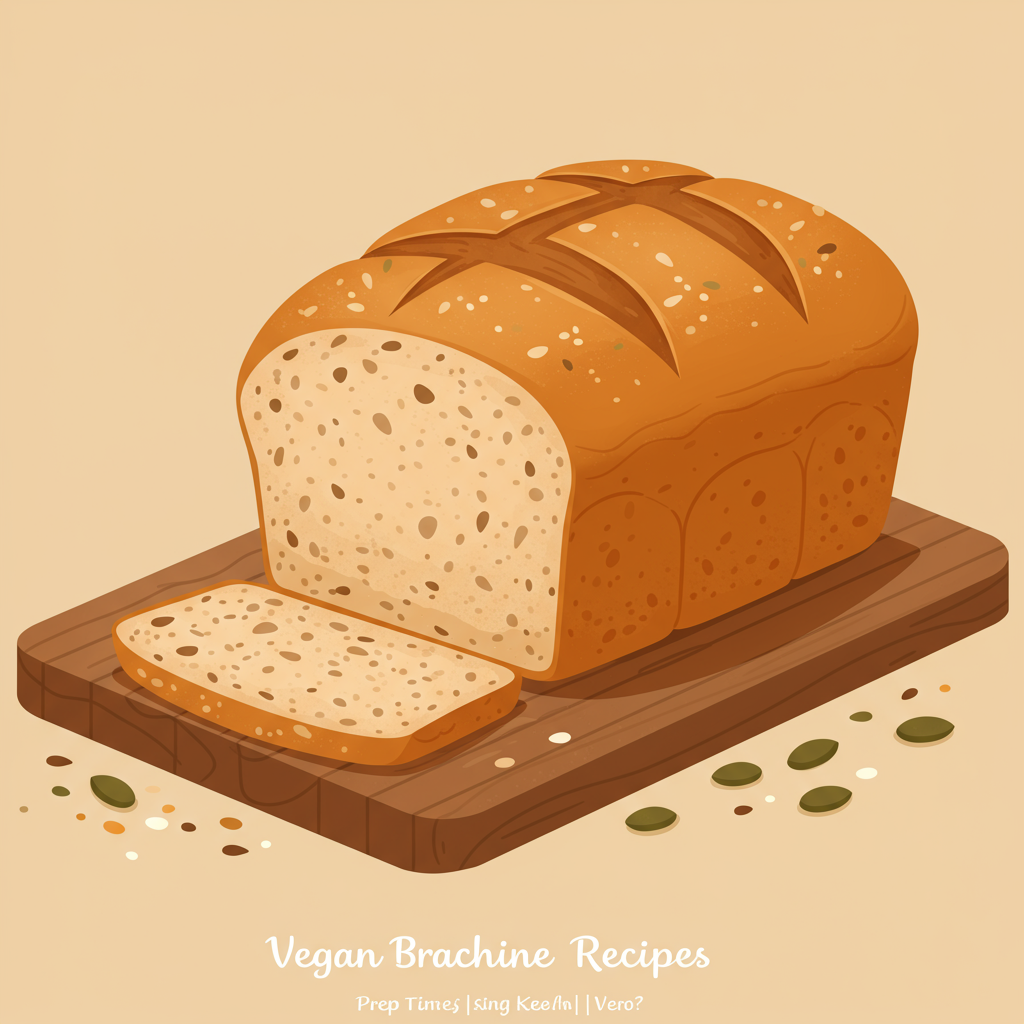
Welcome, aspiring bakers! Are you dreaming of the warm, comforting aroma of freshly baked bread filling your kitchen? Do you follow a vegan lifestyle and wish for simple, delicious options? You’ve come to the right place! Diving into homemade bread can seem intimidating, but with the magic of a bread machine, it transforms into one of the most easy baking recipes you’ll ever master. This comprehensive guide will walk you through creating a perfect loaf of Vegan Bread Machine Recipes from scratch, ensuring success even for absolute beginners. Forget complex kneading or proofing schedules; your bread machine handles the hard work, leaving you with more time to enjoy the fruits of your labor. Get ready to impress yourself and your loved ones with a loaf that’s not only incredibly tasty but also entirely plant-based. We’ll share all the essential baking tips for beginners to make your first, and every subsequent, loaf a resounding success!
Essential Ingredients for Your Vegan Bread Machine Loaf
Gathering your ingredients accurately is the first step to baking success. Here’s what you’ll need for a delicious 1.5 lb vegan loaf. Make sure to measure precisely!
Ingredient List
| Ingredient | Quantity | Unit |
|---|---|---|
| Warm Water (105-115°F / 40-46°C) | 1 | cup |
| Olive Oil (or neutral oil like canola, vegetable) | 2 | tbsp |
| All-Purpose Flour | 3 | cups |
| Granulated Sugar | 2 | tbsp |
| Salt | 1.5 | tsp |
| Instant Dry Yeast | 2 | tsp |
Step-by-Step Instructions: Baking Your Perfect Vegan Bread
Follow these detailed steps for a hassle-free baking experience. Remember, patience and precision are your best friends in the kitchen!
Step 1: Prepare Your Ingredients and Bread Machine
- Gather Everything: Lay out all your ingredients on the counter. This “mise en place” (everything in its place) ensures you don’t miss anything and makes the process smoother and more enjoyable.
- Measure Precisely: Use proper measuring cups and spoons. For flour, gently spoon it into your measuring cup until it overflows, then level it off with a straight edge (like the back of a knife). Do not pack the flour! Packing flour is a very common beginner mistake and can lead to adding too much flour, resulting in a dense, dry loaf.
- Check Water Temperature: The temperature of your water is absolutely critical for yeast activation. It should feel comfortably warm to the touch, similar to a baby’s bath. If it’s too hot (above 120°F / 49°C), it will kill the yeast, and your bread won’t rise. If it’s too cold (below 100°F / 38°C), the yeast won’t activate properly, leading to a slow or no rise. If you’re unsure, use an instant-read thermometer – aim for 105-115°F (40-46°C).
Step 2: Load Your Bread Machine Pan
The order in which you add ingredients to your bread machine pan is important, especially if your machine has a delayed start function. This layering prevents the yeast from activating too early or coming into direct contact with salt, which can hinder its performance before the mixing begins.
- Liquids First: Pour the 1 cup of warm water into the bread machine pan. Most bread machine manuals recommend liquids first.
- Add Oil: Next, add the 2 tablespoons of olive oil. The oil adds moisture, flavor, and helps achieve a tender crumb.
- Dry Ingredients (Layered): Carefully add the 3 cups of all-purpose flour over the liquid. Try to keep it mounded in the center, creating a barrier between the wet and dry ingredients initially.
- Sugar and Salt: Place the 2 tablespoons of granulated sugar on one side of the flour mound and the 1.5 teaspoons of salt on the opposite side. It’s important to keep the salt and yeast separate for as long as possible. Salt can inhibit yeast activity if they come into direct contact before mixing begins. The sugar, on the other hand, acts as food for the yeast, helping it activate and rise.
- Yeast on Top: Create a small indentation (a little “nest”) in the very center of the flour mound (away from the salt) and add the 2 teaspoons of instant dry yeast. This ensures the yeast is the last ingredient to get wet, activating it at precisely the right time when the machine starts mixing.
Step 3: Select Your Bread Machine Settings
- Place Pan in Machine: Securely place the bread machine pan back into the bread maker. Ensure it clicks into place according to your machine’s instructions.
- Choose Cycle: Select the “Basic” or “White Bread” cycle on your bread machine. This is the standard setting designed for most white bread recipes and includes the appropriate kneading, rising, and baking times.
- Loaf Size: Set the loaf size to “1.5 lb”. If your recipe makes a different size, adjust accordingly.
- Crust Color: Choose your preferred crust color – “Light,” “Medium,” or “Dark.” For a first-timer, “Medium” is usually a good starting point to get a golden-brown crust without being too hard.
- Start Baking: Press the “Start” button and let your bread machine do its magic! The machine will now take over, cycling through kneading, rising, and baking.
Step 4: Monitor the Dough (Optional but Recommended for Beginners)
During the first kneading cycle (usually within the first 5-10 minutes of the program), it’s a great idea to lift the lid briefly and observe the dough. This is your chance to make minor adjustments if needed, ensuring a perfect loaf.
- Ideal Dough Consistency: The dough should form a smooth, elastic ball that cleans the sides of the pan as it kneads. It should not be overly sticky, nor should it be too dry and crumbly.
- Dough Too Dry? If the dough looks crumbly, isn’t forming a cohesive ball, or the machine seems to be struggling to knead it, add water, one teaspoon at a time, until it reaches the right consistency. Be patient and add slowly!
- Dough Too Sticky? If the dough is very sticky, wet, and clinging excessively to the sides of the pan, add a teaspoon of flour at a time until it smooths out and forms a nice ball.
- Close the Lid: Once you’ve made any necessary adjustments, close the lid gently and resist the urge to open it again until the cycle is complete. Opening the lid during the rising or baking stages can cause the bread to collapse, especially during the crucial final rise and initial baking phases.
Step 5: The Waiting Game & Crucial Cooling
- Let It Bake: Your bread machine will now complete its full cycle of kneading, rising, and baking. This typically takes 3-4 hours, depending on your specific machine and selected settings. Enjoy the amazing aroma filling your home!
- Remove Promptly: Once the “Done” signal sounds (or the machine automatically switches off), immediately remove the bread pan from the machine using oven mitts, as it will be very hot. If left in the hot pan, the crust can become soggy due to trapped steam.
- Cool Completely: This is a crucial step that many beginners rush! Carefully remove the bread loaf from the pan (you may need to gently shake it or use a heat-proof spatula around the edges if it’s stuck) and place it on a wire cooling rack. Allow the bread to cool for at least 1-2 hours, or until completely cool to the touch. Slicing hot bread can result in a gummy, dense texture because the internal structure is still setting and moisture is redistributing. Cooling allows the bread to firm up, giving you a perfect crumb and texture.
Step 6: Slice and Enjoy!
Once cooled, use a serrated bread knife (the kind with jagged edges) to slice your beautiful homemade vegan bread. A serrated knife works best for cutting through the crust without squashing the tender interior. Enjoy it fresh, toasted, or as a base for your favorite sandwiches, avocado toast, or simply with a smear of vegan butter. There’s nothing quite like the taste and pride of bread baked by you!
Tips & Tricks for Bread Machine Success
Mastering your bread machine is all about understanding a few key principles. These tips will help you achieve perfect loaves every time and boost your confidence in your Vegan Bread Machine Recipes journey!
- Fresh Yeast is Key: Always use fresh, active yeast. Old or expired yeast is the number one reason for bread not rising. Store yeast in an airtight container in the refrigerator or freezer to prolong its shelf life. If you’re unsure if your yeast is active, you can “proof” it by dissolving 1 tsp of sugar in 1/4 cup warm water (105-115°F), then sprinkling 1 tsp of yeast over it. Let it sit for 5-10 minutes; if it gets foamy, your yeast is active!
- Accuracy Matters: While baking is often seen as an art, it’s also a science. Use accurate measuring tools. For the most precise results, especially with flour, consider investing in a kitchen scale. 1 cup of all-purpose flour is roughly 120-125 grams. Weighing ingredients eliminates variations from how you scoop.
- Altitude Adjustments: If you live at a high altitude (typically above 3,000 feet), you might need to slightly reduce the yeast (by about 1/4 teaspoon) and water (by 1-2 tablespoons) or increase the flour slightly. High altitude can cause dough to rise too quickly and collapse due to less atmospheric pressure.
- Customize Your Loaf: Feel free to add in extras! For seeds, nuts, or dried herbs (like 1-2 tablespoons of sesame seeds, sunflower seeds, or dried rosemary), add them at the “mix-in” beep of your bread machine (usually during the second knead cycle). This ensures they are evenly distributed without interfering with the initial dough formation.
- Storage Savvy: Store your cooled homemade bread in an airtight container, a bread box, or a sealed plastic bag at room temperature for 3-4 days. For longer storage, slice the bread and freeze the slices in a freezer-safe bag. You can then toast individual slices directly from frozen as needed.
- Clean Your Machine: Always clean your bread machine pan and paddle after each use. A small amount of dough or flour left behind can affect future loaves or even damage the non-stick coating over time. Be gentle with the non-stick surface!
Essential Baking Tools for Your Kitchen
While your bread machine does most of the heavy lifting, a few basic tools will make your baking experience even smoother and more efficient. These are great additions to any beginner baker’s arsenal:
- Mixing Bowl (handy for gathering ingredients before adding to the machine)
- Whisk (for light dry ingredient mixing, though not strictly necessary for bread machine)
- Baking Pan (not strictly needed for bread machine loaves, but essential for other baking adventures!)
- Measuring Cups
- Spatula (for scraping, leveling, and general kitchen use)
- Kitchen Scale: (Highly recommended for precision, especially with flour!)
- Instant-Read Thermometer: (Crucial for checking water temperature for yeast activation)
- Wire Cooling Rack: (Absolutely essential for proper cooling to prevent a soggy bottom crust)
- Serrated Bread Knife: (For clean, effortless slices without squashing your beautiful loaf)
Nutrition Information (Estimated per slice)
This is an estimated nutritional breakdown for one slice (assuming 12 slices per 1.5 lb loaf) of our basic vegan bread. Please note that these values can vary based on specific ingredient brands, exact measurements, and loaf density. It’s a general guide.
| Nutrient | Amount |
|---|---|
| Calories | 90-100 kcal |
| Carbohydrates | 18-20 g |
| Protein | 3-4 g |
| Fat | 1.5-2 g |
| Fiber | 1 g |
| Sugar | 1-2 g |
Frequently Asked Questions (FAQs)
Q1: Why is my bread dense and not rising?
This is a common issue for beginners! The most frequent culprits are old or inactive yeast, water that’s too hot (killing the yeast) or too cold (not activating it), or too much flour. Ensure your yeast is fresh, your water temperature is correct (105-115°F), and measure your flour accurately, making sure not to pack it down. Always check the expiration date on your yeast!
Q2: Can I use different types of flour in my bread machine?
Absolutely! While this recipe uses all-purpose flour, you can experiment with bread flour (which has higher protein and can result in a chewier loaf) or even whole wheat flour. If using whole wheat, you might need to increase the water by 1-2 tablespoons as whole wheat flour absorbs more liquid than all-purpose. Always adjust liquid gradually and observe the dough consistency during the first knead.
Q3: How should I store my homemade bread?
Once completely cooled, store your bread in an airtight container, a bread box, or a sealed plastic bag at room temperature for up to 3-4 days. For longer storage, slice the loaf and freeze the slices in a freezer-safe bag. You can then pull out individual slices to toast or thaw whenever you want fresh bread!
Q4: My bread machine paddle got stuck in the loaf. What do I do?
It happens to everyone! Most bread machines have a collapsible or removable paddle. If it’s stuck, let the bread cool completely. Often, it’s easier to remove once the bread is cool and firm. You can gently twist it out with a fork or butter knife. If it leaves a hole at the bottom, that’s perfectly normal for bread machine loaves; it doesn’t affect the taste!
Q5: Can I add seeds, nuts, or dried fruits to this recipe?
Yes, you can! Most bread machines will have a “mix-in” beep during the second kneading cycle (check your manual). This is the perfect time to add about 1/4 to 1/2 cup of your desired additions like sunflower seeds, pumpkin seeds, chopped nuts, or dried cranberries. Adding them too early can crush them or interfere with the initial dough formation.
Q6: What if my bread has a strange texture or collapses at the top?
A collapsed top often indicates too much liquid, too much yeast, or too little flour, causing the dough to rise too quickly and then fall. A strange, crumbly, or overly dense texture could be due to incorrect ingredient ratios, especially flour and water. Always double-check your measurements, ensure yeast is fresh, and pay attention to the dough consistency during that crucial first knead to make minor adjustments.
Conclusion: Your Journey to Delicious Vegan Bread Begins Now!
Congratulations, you’ve taken the first step towards becoming a confident home baker with these Vegan Bread Machine Recipes! There’s an unparalleled satisfaction that comes from baking your own bread, especially when it’s as effortless as this bread machine method makes it. You’ve learned the fundamental baking tips for beginners and are now equipped to create delightful, plant-based loaves right in your own kitchen.
Don’t be afraid to experiment with different flours, add-ins, or even try a different cycle once you feel more comfortable. Every loaf is a learning experience, and even if your first one isn’t “perfect,” it’s still homemade, delicious, and made with love. So go ahead, dust off that bread machine, gather your ingredients, and embark on a rewarding journey of aroma, flavor, and incredible homemade bread. We can’t wait to see what you bake! Happy baking!