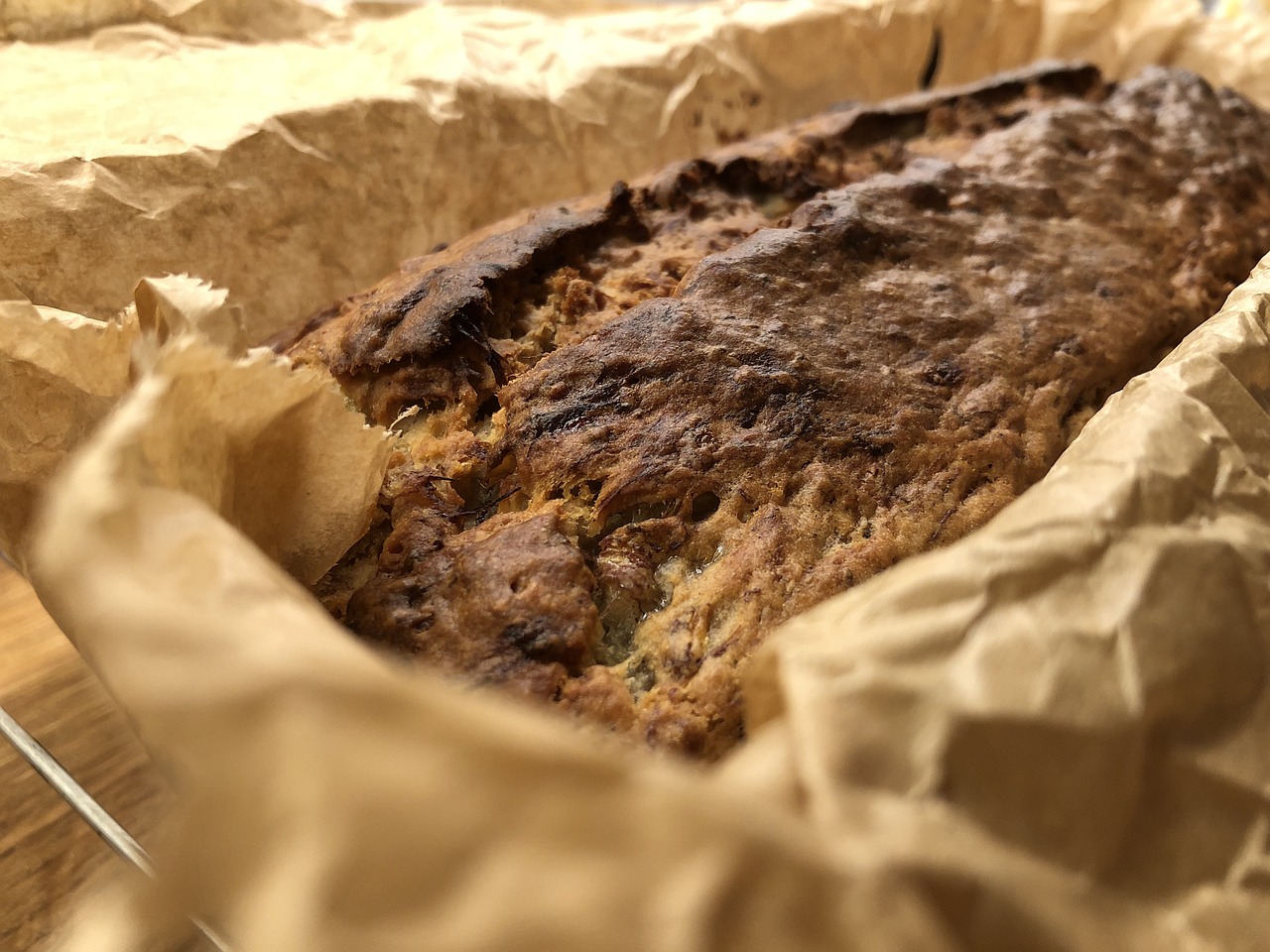
Are you ready to fill your kitchen with the irresistible aroma of freshly baked bread? If you’ve been dreaming of warm, soft slices but thought baking bread was too complicated, think again! This guide is specifically designed to introduce you to the wonderful world of Vegan Bread Recipes. We’re going to break down every step,
making it one of the most easy baking recipes you’ll ever try. Forget about intimidating techniques; with our clear instructions and essential baking tips for beginners, you’ll be pulling a beautiful, crusty loaf from your oven in no time. Let’s get started on creating delicious, plant-based bread from scratch!
Simple Vegan Sandwich Bread: Ingredients You’ll Need
Gathering your ingredients is the first exciting step! For this delicious and simple vegan bread, you’ll need just a few common pantry staples. Always measure carefully for the best results, especially when you’re starting out.
| Ingredient | Quantity | Unit |
|---|---|---|
| Active Dry Yeast | 2.25 | teaspoons |
| Warm Water (105-115°F / 40-46°C) | 1.5 | cups |
| Granulated Sugar | 2 | tablespoons |
| All-Purpose Flour (unbleached recommended) | 3.5 – 4 | cups |
| Salt | 1 | teaspoon |
| Olive Oil (or other neutral vegetable oil) | 2 | tablespoons |
Step-by-Step Instructions: Baking Your Vegan Bread
Follow these detailed steps carefully, and you’ll be amazed at what you can create. Don’t rush, and enjoy the process!
-
Activate the Yeast: Wake Up Your Bread!
In a large mixing bowl (or the bowl of your stand mixer), combine the 1.5 cups of warm water and 2 tablespoons of granulated sugar. Stir gently until the sugar dissolves. The water should feel like a warm bath – not too hot to kill the yeast, and not too cold to keep it dormant. Sprinkle the 2.25 teaspoons of active dry yeast over the water. Do not stir it in yet! Let it sit undisturbed for 5-10 minutes. You’re looking for a foamy, bubbly layer to form on top – this is proof that your yeast is alive and ready to work its magic. If you don’t see foam, your yeast might be old or the water temperature was off, and it’s best to start again.
-
Combine the Wet Ingredients
Once your yeast is frothy, add the 2 tablespoons of olive oil to the bowl. Give it a gentle stir with a whisk or spoon. This oil will contribute to the bread’s tenderness and a lovely crust.
-
Add the Dry Ingredients
In a separate medium bowl, whisk together the 3.5 cups of all-purpose flour and 1 teaspoon of salt. Combining them now ensures the salt is evenly distributed throughout the bread, which is crucial for flavor. Gradually add this dry mixture to your wet yeast mixture, about 1 cup at a time, stirring with a sturdy wooden spoon or a dough hook if using a stand mixer. As you add the flour, the dough will start to come together. You might not need all 4 cups of flour; stop when the dough starts to pull away from the sides of the bowl and forms a shaggy ball. It should still be a bit sticky, but manageable.
-
Knead the Dough: Building Structure
By Hand: Turn the shaggy dough out onto a lightly floured surface. Begin to knead by pushing the dough away from you with the heels of your hands, then folding it back over. Rotate the dough a quarter turn and repeat. Continue kneading for 8-10 minutes. The dough should become smooth, elastic, and less sticky. If it’s too sticky, add a tiny bit more flour, but be sparing – too much flour makes tough bread. A good test is the “windowpane test”: pinch off a small piece of dough and gently stretch it. If you can stretch it thin enough to see light through it without tearing, it’s ready!
With a Stand Mixer: Attach the dough hook. Mix on low speed for 6-8 minutes, until the dough is smooth, elastic, and pulls cleanly from the sides of the bowl. It should be slightly tacky to the touch.
-
First Rise (Bulk Fermentation): Let it Grow!
Lightly oil a clean large bowl with a teaspoon of olive oil. Place your kneaded dough into the bowl, turning it once to coat all sides with oil. This prevents it from drying out. Cover the bowl tightly with plastic wrap or a clean kitchen towel. Place the bowl in a warm, draft-free spot. A slightly warm oven (turned off, with just the light on) or even inside a microwave with a cup of hot water next to it can create an ideal environment. Let the dough rise for 1 to 1.5 hours, or until it has doubled in size. This is a crucial step for a light and airy loaf.
-
Shape the Loaf: Getting Ready for the Pan
Gently punch down the risen dough to release the air. Turn it out onto a lightly floured surface. Flatten the dough into a rectangle, roughly the length of your loaf pan. Take one of the long sides and fold it towards the center, pressing down firmly to seal. Repeat with the other long side, folding it over the first and pressing the seam firmly. Now, starting from one short end, tightly roll the dough towards the other short end, creating a log shape. Pinch the final seam closed tightly with your fingertips. Ensure the ends are also tucked in and sealed to create a neat, even loaf.
-
Second Rise (Proofing): Final Puff
Grease a 9×5 inch loaf pan with a little oil or non-stick spray. Carefully place your shaped dough seam-side down into the prepared loaf pan. Cover the loaf pan loosely with plastic wrap or a clean kitchen towel. Return it to your warm, draft-free spot for another 30-45 minutes, or until the dough has risen significantly and is visibly puffy, extending about an inch or so above the rim of the pan. It should look light and airy. Don’t let it over-proof, or it might collapse in the oven.
-
Preheat Your Oven
About 15 minutes before the end of the second rise, preheat your oven to 375°F (190°C). This allows the oven to reach and maintain a consistent temperature, which is important for even baking.
-
Bake Your Beautiful Bread!
Place the loaf pan in the preheated oven. Bake for 30-35 minutes. The bread should be golden brown on top and sound hollow when tapped on the bottom. For a more precise measure, you can use an instant-read thermometer; the internal temperature should reach 200-210°F (93-99°C). If the crust is browning too quickly, you can loosely tent it with aluminum foil for the last 10-15 minutes of baking.
-
Cool Completely: The Hardest Part!
Once baked, immediately remove the bread from the loaf pan and place it on a wire cooling rack. This is crucial! If you leave it in the pan, the bottom will become soggy. Let the bread cool completely for at least 1-2 hours before slicing. Slicing warm bread can make it gummy and dense. Patience is key for the best texture and flavor. Enjoy your homemade, perfectly vegan bread!
Expert Baking Tips & Tricks for Beginners
Baking bread is a journey, and these tips will help you navigate it smoothly:
- Yeast Temperature is Key: Always use a thermometer for your water. Too hot (above 120°F/49°C) will kill the yeast, too cold (below 100°F/38°C) won’t activate it. The sweet spot is 105-115°F (40-46°C).
- Don’t Over-Flour: It’s tempting to keep adding flour if your dough feels sticky, but too much flour results in a dense, tough bread. A slightly tacky dough is perfect after kneading. Resist the urge!
- Warmth for Rising: Yeast loves warmth. If your kitchen is cool, try placing the dough in an oven that’s been briefly warmed (then turned off) with the light on, or in a microwave with a cup of hot water (remove water before adding dough).
- Trust Your Eyes (and Touch): While times are a guide, humidity and temperature can affect rising. Look for the dough to double in size for the first rise and be visibly puffy for the second.
- Patience with Cooling: Seriously, don’t slice warm bread! The internal structure is still setting, and cutting it too early will result in a gummy texture. Let it cool completely on a wire rack.
- Storage: Store your cooled bread in an airtight container or bread bag at room temperature for up to 3-4 days. For longer storage, slice and freeze the bread in a freezer-safe bag. Toast slices directly from frozen.
- Experiment Later: Once you’ve mastered this basic recipe, feel free to experiment with adding herbs (rosemary, thyme), garlic powder, or seeds (sesame, poppy) to the dough for different flavors!
Essential Baking Tools for Your Vegan Bread Adventure
Having the right tools makes all the difference! Here are a few essentials that will make your bread-making experience smoother and more enjoyable:
- Large Mixing Bowl
- Whisk
- 9×5 inch Loaf Pan
- Measuring Cups and Spoons
- Sturdy Rubber Spatula or Wooden Spoon
- Instant-Read Kitchen Thermometer (for water and bread)
- Wire Cooling Rack
Nutrition Information (Estimated per slice, assuming 12 slices per loaf)
Here’s an estimate of the nutritional content for one slice of your homemade vegan sandwich bread. Please note these are approximate values and can vary based on exact ingredients and preparation.
| Nutrient | Amount (per slice) |
|---|---|
| Calories | 180 kcal |
| Carbohydrates | 35 g |
| Protein | 5 g |
| Total Fat | 3 g |
| Dietary Fiber | 1.5 g |
| Sugars | 3 g |
Frequently Asked Questions About Vegan Bread Baking
Don’t worry if you have questions – every baker starts somewhere! Here are some common queries from beginners:
My yeast didn’t foam. What went wrong?
The most common reasons are water that’s too hot (it kills the yeast) or too cold (it won’t activate). Also, check the expiration date on your yeast; old yeast loses its potency. Always use fresh yeast and water within the recommended temperature range (105-115°F).
My dough is too sticky/dry. How do I fix it?
If your dough is too sticky, add flour one tablespoon at a time during kneading until it’s manageable but still slightly tacky. If it’s too dry and crumbly, add water one teaspoon at a time. Humidity and flour types can affect hydration, so trust the feel of the dough.
Why is my homemade bread so dense?
Density usually points to under-kneading, not enough proofing (first or second rise), or adding too much flour. Ensure you knead long enough for the dough to become elastic, allow it to double in size during both rises, and avoid over-flouring.
Can I use whole wheat flour instead of all-purpose?
Yes, but be aware that whole wheat flour absorbs more liquid and can result in a denser loaf. For beginners, it’s best to start with all-purpose. If you do use whole wheat, you might need to increase the water slightly and expect a slightly heavier texture.
How do I store my vegan bread to keep it fresh?
Once completely cooled, store your bread in an airtight container, a bread box, or a sealed plastic bag at room temperature for up to 3-4 days. For longer storage, slice the loaf and freeze the slices in a freezer-safe bag. You can toast them directly from frozen!
Do I absolutely need a stand mixer for this recipe?
Absolutely not! While a stand mixer can make kneading easier, this recipe is perfectly achievable by hand. Hand kneading is a wonderful way to connect with your dough and build arm strength. Just be prepared for a good 8-10 minutes of kneading.
Your Delicious Vegan Bread Awaits!
Congratulations, aspiring baker! You’ve just taken a huge step towards baking your very own delicious, homemade vegan bread. There’s truly nothing quite like the satisfaction of pulling a warm loaf from your oven, knowing every ingredient that went into it. Don’t be discouraged if your first loaf isn’t picture-perfect; every bake is a learning experience. With a little practice, you’ll be baking perfect loaves consistently. So go ahead, slice into your creation, spread on some vegan butter, and savor the taste of your success. Happy baking!