
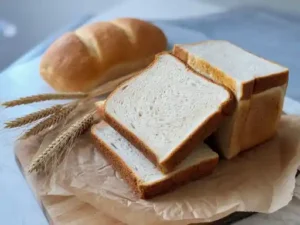
Forget complicated kneading and endless rising times with your West Bend Bread Maker Recipes, making perfect bread is not only achievable but incredibly simple. This post is designed as a comprehensive guide for anyone looking for easy baking recipes and practical baking tips for beginners. We’ll walk you through every step of creating a classic, fluffy white bread that will impress everyone (especially yourself!). Get ready to discover the magic of homemade bread, one delicious slice at a time.
Essential Ingredients for Your West Bend Bread Maker White Bread
Gathering your ingredients correctly is the first step to baking success. Always measure precisely for the best results!
Ingredients List for a 1.5 lb Loaf:
| Ingredient | Quantity | Unit |
|---|---|---|
| Warm Water (80-90°F / 27-32°C) | 1 cup + 2 tablespoons | (approx. 270ml) |
| Vegetable Oil or Melted Unsalted Butter | 2 | tablespoons |
| Bread Flour (unbleached recommended) | 3 | cups |
| Granulated Sugar | 2 | tablespoons |
| Salt | 1.5 | teaspoons |
| Active Dry Yeast or Instant Yeast | 2 | teaspoons |
Step-by-Step Instructions: Baking Perfection Made Easy
Follow these detailed steps carefully, and you’ll be enjoying warm, homemade bread in no time. We’ve included beginner-friendly tips throughout!
Step 1: Prepare Your Ingredients and Bread Pan
- Gather Everything: Before you start, lay out all your ingredients on the counter. This helps ensure you don’t forget anything and that everything is at the right temperature.
- Check Yeast Freshness (Optional but Recommended): If you’re unsure about your yeast, mix 1 teaspoon of sugar with 1/4 cup of your warm water (from the recipe) in a small bowl. Sprinkle 1 teaspoon of yeast on top. Wait 5-10 minutes. If it becomes foamy and bubbly, your yeast is active! If not, get new yeast.
- Warm Water is Key: Ensure your water is warm, not hot (which kills yeast) and not cold (which slows it down). A temperature between 80-90°F (27-32°C) is ideal. If you don’t have a thermometer, it should feel warm to the touch, like a baby’s bath.
- Insert Bread Pan: Make sure your West Bend bread maker’s pan is clean and the kneading paddle(s) are securely attached to the shaft at the bottom of the pan.
Step 2: Add Ingredients to the Bread Pan (The Right Order Matters!)
The order in which you add ingredients to your bread machine is crucial. It prevents the yeast from activating too early or coming into direct contact with salt (which can inhibit it).
- Liquids First: Pour the warm water and the vegetable oil (or melted butter) into the bottom of the bread pan.
- Dry Ingredients Next: Carefully add the bread flour, making sure to level each cup with a straight edge (like the back of a knife) rather than packing it down.
- Create Pockets for Sugar and Salt: Using your finger or a spoon, create a small indentation in one corner of the flour for the granulated sugar and another indentation in the opposite corner for the salt. This keeps them separate from the yeast initially.
- Yeast on Top: Make a shallow well (a small crater) in the very center of the flour. Carefully sprinkle the yeast into this well. Do not let the yeast touch the liquid below or the salt on the sides yet.
Beginner Tip: If you’re using instant yeast, you don’t need to ‘proof’ it beforehand, but adding it last on top of the flour is still the best practice for optimal results in a bread machine.
Step 3: Program Your West Bend Bread Maker
- Secure the Pan: Place the bread pan firmly back into your West Bend bread maker. Close the lid.
- Select Program: Choose the “Basic” or “White Bread” setting on your machine.
- Choose Loaf Size: Select the “1.5 lb” loaf size.
- Select Crust Color: Choose your desired crust color – “Light,” “Medium,” or “Dark.” For your first loaf, “Medium” is a great starting point.
- Start the Machine: Press the “Start” button. Your bread maker will now take over!
What to Expect During the Cycle: The machine will begin with a kneading cycle, followed by several rise cycles, and finally, the baking cycle. The entire process typically takes 3-4 hours.
Step 4: The Kneading Phase – Your “Window of Opportunity”
- Listen and Look: About 5-10 minutes into the first kneading cycle, gently lift the lid (just for a moment!) to observe the dough. This is your chance to make minor adjustments.
- Dough Consistency Check:
- Too Dry/Stiff: If the dough looks very stiff, isn’t forming a smooth ball, or the machine sounds like it’s struggling, add a teaspoon of warm water at a time until it forms a soft, pliable ball.
- Too Wet/Sticky: If the dough is very sticky and clinging excessively to the sides of the pan, add a teaspoon of bread flour at a time until it forms a smooth, elastic ball.
- Close the Lid Promptly: Once you’ve checked or adjusted, close the lid quickly to maintain the internal temperature. Avoid opening the lid during the rising and baking cycles as this can cause the bread to collapse.
Common Mistake & Fix: Many beginners worry about dough consistency. Don’t stress too much! A slightly sticky dough is often better than a too-dry one. The bread machine is quite forgiving. The key is to make these adjustments early in the first kneading cycle.
Step 5: The Rising and Baking Cycles
- Let the Machine Work: Now, your job is simply to wait! The machine will go through its programmed cycles of kneading, rising, and baking. Avoid opening the lid during these stages, especially during rising and baking, as it can cause the bread to deflate or bake unevenly.
- Enjoy the Aroma: Get ready for your kitchen to fill with the most wonderful smell of freshly baked bread!
Step 6: Removing and Cooling Your Perfect Loaf
- End of Cycle: Once the machine beeps to signal the end of the cycle, immediately unplug it.
- Remove the Pan: Using oven mitts (the pan will be very hot!), carefully remove the bread pan from the machine.
- Remove the Loaf: Invert the pan onto a wire cooling rack. If the loaf doesn’t come out easily, gently shake it. If the kneading paddle sticks in the bread, use a non-metal utensil (like a wooden spoon handle) to carefully dislodge it once the bread has cooled slightly. Be gentle to avoid damaging the loaf.
- Cool Completely: This is arguably the most crucial step for a perfect texture! Let the bread cool on the wire rack for at least 1-2 hours (or even longer) before slicing. Slicing hot bread can make it gummy and dense inside. Resist the urge!
Beginner Tip: The cooling process allows the internal structure of the bread to set and firm up, ensuring a lovely, even crumb.
Tips & Tricks for Bread Machine Success
Mastering your West Bend bread maker is easy with a few insider tips:
- Always Use Fresh Yeast: Yeast is a living organism. Old or expired yeast is the number one reason bread doesn’t rise. Store yeast in an airtight container in the refrigerator or freezer to extend its life.
- Measure Accurately: Baking is a science! Use proper measuring cups and spoons. For flour, spoon it into your measuring cup and then level it off with a straight edge – don’t scoop directly from the bag, as this can compact the flour and lead to too much being added.
- Water Temperature is Critical: As mentioned, too hot kills yeast, too cold slows it down. Aim for lukewarm, like bathwater (80-90°F or 27-32°C).
- Ingredient Order Matters: Stick to the liquids, then dry, then yeast-on-top order to protect the yeast from salt and ensure proper activation.
- Don’t Peek Too Much: While a quick peek during the first knead is fine, avoid opening the lid during the rising and baking cycles. This releases heat and can cause your bread to fall or bake unevenly.
- Cooling is Non-Negotiable: Seriously, let your bread cool completely on a wire rack before slicing. It improves texture and flavor significantly.
- Store Properly: Once cooled, store your homemade bread in an airtight container or bread bag at room temperature for 3-5 days. For longer storage, slice and freeze.
- Experiment with Flour: Once you’re comfortable with basic white bread, try experimenting! Replace a quarter of the bread flour with whole wheat flour for a healthier twist, or add a tablespoon of vital wheat gluten for an extra boost to whole grain loaves.
- Add-Ins: During the second kneading cycle (your machine might beep to indicate this), you can add seeds (like sunflower or sesame), nuts, or dried herbs. For a 1.5 lb loaf, start with 1/4 to 1/2 cup of add-ins.
Essential Baking Tools for Your Kitchen
While your West Bend bread maker does most of the heavy lifting, a few basic tools will make your baking experience even smoother:
- Mixing Bowl (for proofing yeast or preparing other ingredients)
- Whisk (for combining dry ingredients evenly)
- Baking Pan (not strictly needed for bread machine, but useful for other recipes)
- Measuring Cups (essential for accurate ingredient amounts)
- Spatula (for leveling flour and scraping ingredients)
- Digital Kitchen Scale (highly recommended for precision, especially for flour)
- Instant-Read Thermometer (for checking water temperature)
- Wire Cooling Rack (crucial for cooling your bread properly)
Nutrition Information (Estimated per slice, 1.5 lb loaf yields ~12-16 slices)
Please note that these values are estimates and can vary based on exact ingredient brands and quantities. This is for a plain white bread slice.
| Nutrient | Estimated Value |
|---|---|
| Calories | 120-150 kcal |
| Carbohydrates | 25-30g |
| Protein | 4-5g |
| Fat | 1-2g |
| Fiber | 1g |
| Sugar | 2-3g |
Frequently Asked Questions (FAQs) for Beginner Bakers
Q1: Why is my bread not rising in the West Bend bread maker?
A: The most common culprits are old or inactive yeast, water that’s too hot (killing the yeast) or too cold (slowing it down), or too much salt directly touching the yeast. Always check your yeast’s freshness, ensure proper water temperature, and follow the ingredient layering order carefully.
Q2: My bread has a dense, heavy texture. What went wrong?
A: A dense loaf often indicates too much flour, not enough liquid, or insufficient yeast activity. Make sure you’re measuring your flour correctly (spoon and level, don’t scoop!), and check your yeast’s freshness. If the dough looked too dry during the first knead, it likely needed a bit more water.
Q3: Can I use whole wheat flour instead of bread flour?
A: Yes, but with adjustments! Whole wheat flour absorbs more liquid than white flour. For a 1.5 lb loaf, you might need an extra tablespoon or two of water. Also, whole wheat flour benefits from a bit of vital wheat gluten (1-2 teaspoons) to help with rise and texture. Start by substituting only a portion of the white flour (e.g., 1 cup whole wheat, 2 cups white) until you get a feel for it.
Q4: How do I store homemade bread to keep it fresh?
A: Once completely cooled, store your bread in an airtight bread bag, plastic wrap, or a dedicated bread box at room temperature. It will stay fresh for about 3-5 days. Avoid refrigerating it, as this can make it stale faster. For longer storage, slice and freeze the bread, then toast slices as needed.
Q5: What if the kneading paddle gets stuck in my baked bread?
A: This is common! Once the bread has cooled slightly (but is still warm), you can usually gently pull the paddle out. If it’s stubborn, use a non-metal utensil (like a wooden chopstick or the handle of a wooden spoon) to carefully pry it out. Sometimes it’s easier to remove it after the bread is sliced.
Q6: Can I add seeds, nuts, or dried fruit to this recipe?
A: Absolutely! Most West Bend bread makers have a “mix-in” beep during the second kneading cycle. This is the perfect time to add about 1/4 to 1/2 cup of your desired additions like sunflower seeds, sesame seeds, chopped walnuts, or dried cranberries. Don’t add them at the very beginning, or they might get too crushed.
Conclusion: Your Delicious Bread-Making Journey Begins Now!
Congratulations, budding baker! You’ve just taken the first step on an incredibly rewarding culinary adventure. There’s nothing quite like the taste and smell of warm, homemade bread, and your West Bend bread maker makes it wonderfully accessible. Don’t be discouraged if your first loaf isn’t absolutely perfect – every bake is a learning experience. Keep experimenting with different settings, crust colors, and eventually, other ingredients. Soon, you’ll be a bread-making pro, creating delicious loaves with confidence. Enjoy your amazing homemade bread, and happy baking!