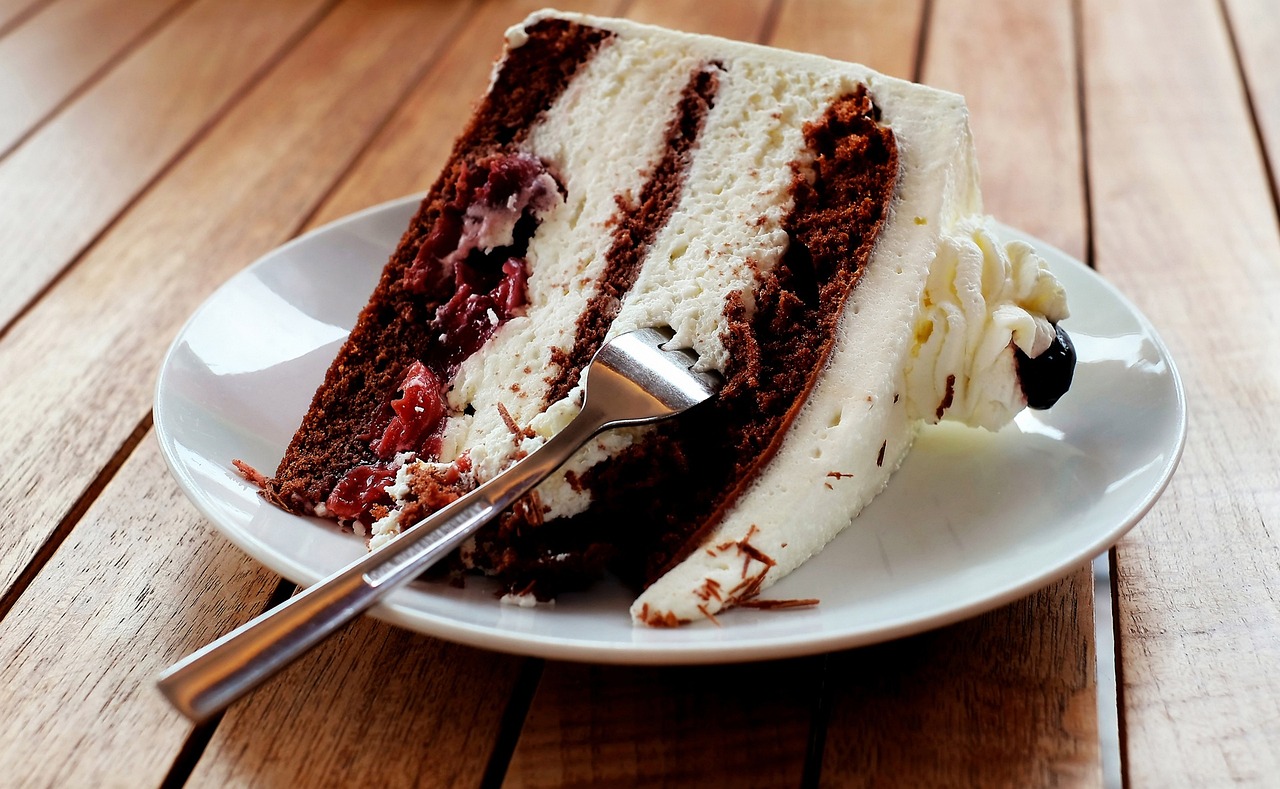
Welcome, budding bakers and seasoned pros alike, to a truly delightful journey into the world of homemade treats! If you’ve ever dreamt of creating a show-stopping dessert that tastes as good as it looks, then you’ve come to the right place. Today, we’re diving headfirst into our glorious White Coconut Cake Recipe a moist, tender, and incredibly flavorful cake crowned with a dreamy coconut cream cheese frosting. Don’t let the thought of baking from scratch intimidate you; this guide is packed with easy baking recipes and essential baking tips for beginners to ensure your success. Get ready to impress your friends, delight your family, and discover the sheer joy of creating something beautiful with your own hands. Let’s bake some magic!
Gather Your Goodies: White Coconut Cake Ingredients
Before we begin our baking adventure, let’s make sure you have all the necessary ingredients. Accuracy in measuring is key, especially for beginners!
For the White Coconut Cake:
| Ingredient | Quantity | Unit |
|---|---|---|
| All-purpose flour | 2 ½ | cups |
| Granulated sugar | 1 ¾ | cups |
| Baking powder | 1 | tablespoon |
| Salt | ½ | teaspoon |
| Unsalted butter (room temperature) | 1 | cup (2 sticks) |
| Large egg whites (room temperature) | 5 | |
| Full-fat coconut milk (canned, unsweetened) | 1 | cup |
| Vanilla extract | 1 | teaspoon |
| Coconut extract (optional, for extra flavor) | ½ | teaspoon |
For the Coconut Cream Cheese Frosting:
| Ingredient | Quantity | Unit |
|---|---|---|
| Cream cheese (full fat, softened) | 8 | ounces |
| Unsalted butter (room temperature) | ½ | cup (1 stick) |
| Powdered sugar (confectioners’ sugar) | 3-4 | cups (sifted) |
| Full-fat coconut milk (canned, unsweetened) | ¼ | cup |
| Vanilla extract | 1 | teaspoon |
| Coconut extract (optional) | ½ | teaspoon |
| Sweetened shredded coconut | 1 ½ | cups (for decorating) |
Your Journey to Perfect Cake: Step-by-Step Instructions
Baking is a science, but don’t worry, we’ll guide you through each step with clear, actionable advice. Follow these instructions carefully, and you’ll be enjoying a beautiful homemade cake in no time!
Phase 1: Preparing Your Pans & Preheat
- Preheat Your Oven: Start by preheating your oven to 350°F (175°C). This ensures your oven is at the correct temperature when your batter is ready, which is crucial for even baking.
- Prepare Your Cake Pans: Grease and flour two 9-inch round cake pans. You can do this by rubbing a thin layer of butter or shortening all over the inside surface of the pans, then dusting with flour, tapping out any excess. For an extra non-stick measure, cut out parchment paper circles to fit the bottom of your pans and place them in after greasing. This prevents sticking and makes removal a breeze!
Phase 2: Mixing the Dry Ingredients
- Sift Dry Ingredients: In a large bowl, whisk together the all-purpose flour, granulated sugar, baking powder, and salt. Beginner Tip: Sifting the flour isn’t just for fancy bakers! It helps to remove any lumps and aerates the flour, resulting in a lighter, more tender cake. If you don’t have a sifter, whisking vigorously for 30 seconds will help.
Phase 3: Combining Wet Ingredients (Except Egg Whites)
- Cream Butter: In a separate large bowl (or the bowl of a stand mixer with the paddle attachment), beat the room temperature unsalted butter on medium speed until it’s light and fluffy, about 2-3 minutes. Why room temperature? Softened butter creams better with sugar, incorporating air and creating a tender crumb.
- Add Extracts: Beat in the vanilla extract and coconut extract (if using) into the butter mixture.
- Add Coconut Milk: Gradually add the full-fat coconut milk to the butter mixture, beating on low speed until just combined. The mixture might look a little curdled at this point; don’t worry, it will come together once the dry ingredients are added.
Phase 4: Bringing the Batter Together
- Combine Wet and Dry: With the mixer on low speed, gradually add the dry ingredients to the wet ingredients, mixing until just combined. Crucial Beginner Tip: Do NOT overmix! Overmixing develops the gluten in the flour, leading to a tough, dense cake. Mix only until no streaks of flour remain.
- Fold in Egg Whites: In a clean, separate bowl, beat the egg whites until they form soft peaks. Gently fold the beaten egg whites into the cake batter in two additions using a spatula. This step adds lightness and airiness to your cake. Be gentle to maintain the airiness!
Phase 5: Baking the Cakes
- Divide and Bake: Divide the batter evenly between your two prepared cake pans. Spread it gently with a spatula to ensure an even layer.
- Bake Time: Bake for 28-32 minutes, or until a wooden skewer or toothpick inserted into the center of the cakes comes out clean. Common Mistake: Opening the oven door too early can cause cakes to sink. Resist the urge until at least 25 minutes have passed!
- Cooling: Once baked, remove the cakes from the oven and let them cool in their pans on a wire rack for 10-15 minutes. This allows them to firm up slightly.
- Invert and Cool Completely: After 10-15 minutes, carefully invert the cakes onto the wire rack to cool completely. Important: Do not attempt to frost warm cakes! The frosting will melt and slide right off. Allow them to cool for at least 1-2 hours, or even longer.
Phase 6: Preparing the Coconut Cream Cheese Frosting
- Cream Cheese and Butter: In a large bowl or stand mixer, beat the softened cream cheese and room temperature unsalted butter together on medium speed until smooth and creamy, about 3-4 minutes. Scrape down the sides of the bowl often.
- Add Powdered Sugar: Gradually add the sifted powdered sugar, one cup at a time, beating on low speed until fully incorporated. Once all sugar is added, increase speed to medium-high and beat until light and fluffy. Beginner Tip: Sifting powdered sugar prevents lumps in your frosting!
- Add Liquids and Extracts: Beat in the coconut milk, vanilla extract, and coconut extract (if using) until the frosting is smooth and spreadable. If the frosting is too thick, add a tiny bit more coconut milk (a teaspoon at a time) until desired consistency. If it’s too thin, add more sifted powdered sugar.
Phase 7: Assembling and Decorating
- Level Your Cakes (Optional): If your cake layers have domed tops, you can use a serrated knife to carefully level them. This creates a more stable and professional-looking cake.
- Crumb Coat: Place one cooled cake layer on your serving plate or cake stand. Spread a thin layer of frosting over the top. This is called a “crumb coat” and helps to trap any loose crumbs, preventing them from showing in your final frosting layer.
- Chill Crumb Coat: Chill the cake in the refrigerator for 15-20 minutes to set the crumb coat.
- Stack and Frost: Once chilled, place the second cake layer on top. Apply the remaining frosting to the top and sides of the cake. Use an offset spatula or knife to spread it evenly.
- Decorate with Coconut: Gently press the sweetened shredded coconut onto the sides and top of the frosted cake. You can use your hands or a small spatula.
- Serve and Enjoy: Slice and serve your beautiful White Coconut Cake! Store any leftovers covered in the refrigerator.
Bake Like a Pro: Essential Tips & Tricks
Achieving baking success, especially for beginners, often comes down to a few key practices. Here are some actionable tips to elevate your White Coconut Cake from good to absolutely amazing:
Room Temperature Ingredients are Your Best Friend: This is a golden rule in baking! Softened butter creams smoothly and incorporates air, while room temperature egg whites whip up with more volume. This leads to a lighter, more consistent batter and a tenderer cake. Plan ahead and take your butter, cream cheese, eggs, and coconut milk out of the fridge at least 30-60 minutes before you start.
Measure Accurately: Baking is a science, and precision matters. Use proper measuring cups and spoons, and level off dry ingredients like flour with the back of a knife. For liquids, measure at eye level. For best results, consider investing in a kitchen scale for flour and sugar; it’s more accurate than volume measurements.
Don’t Overmix: We’ve said it before, but it bears repeating! Once you add the dry ingredients to the wet, mix only until just combined. Overmixing develops gluten, which can make your cake tough and dense instead of light and fluffy. A few small lumps of flour are better than an overmixed batter.
Test Your Oven Temperature: Ovens can be notoriously inaccurate. An inexpensive oven thermometer is a great investment to ensure your oven is truly at the temperature you set it to. Consistent temperature is vital for even baking.
Cool Cakes Completely: Patience is a virtue, especially when it comes to cooling cakes. Frosting a warm cake is a recipe for disaster, as the frosting will melt and slide off. Ensure your cake layers are completely cool to the touch before you even think about applying that delicious frosting.
Master the Crumb Coat: This thin layer of frosting, chilled before applying the final coat, is a game-changer. It traps any loose crumbs, ensuring your final frosted cake looks smooth and professional. Don’t skip this step for a polished finish!
Your Baking Arsenal: Essential Tools
Having the right tools can make all the difference in your baking experience. Here are some essentials:
- Mixing Bowl Set
- Whisk
- Round Cake Pans (9-inch)
- Measuring Cups and Spoons
- Rubber Spatula
- Stand Mixer or Hand Mixer (highly recommended for ease!)
- Wire Cooling Rack
- Parchment Paper
- Flour Sifter (optional but helpful)
- Offset Spatula (for frosting)
Nourishment Details: White Coconut Cake Nutrition
Here’s an approximate nutritional breakdown per serving (based on 12 servings). Please note that these values are estimates and can vary based on specific ingredient brands and preparation methods.
| Nutrient | Amount per serving (approx.) |
|---|---|
| Calories | 480 kcal |
| Carbohydrates | 65 g |
| Protein | 5 g |
| Fat | 24 g |
| Saturated Fat | 16 g |
| Fiber | 2 g |
| Sugar | 50 g |
Got Questions? We’ve Got Answers! (FAQs)
Can I use light coconut milk for this recipe?
While you can, we highly recommend using full-fat canned coconut milk for both the cake and frosting. The fat content contributes significantly to the richness, moisture, and overall flavor of the cake and helps the frosting achieve its ideal consistency. Light coconut milk might result in a less moist cake and a thinner frosting.
How can I prevent my cake from being dry?
Several factors contribute to a moist cake: using room temperature ingredients, accurately measuring flour (don’t pack it!), and most importantly, not overmixing the batter. Overmixing develops gluten, which can make a cake tough and dry. Also, avoid overbaking – always check for doneness with a toothpick and remove from the oven as soon as it comes out clean.
Can I make this cake ahead of time?
Absolutely! You can bake the cake layers a day or two in advance. Once completely cooled, wrap them tightly in plastic wrap and store at room temperature or in the refrigerator. You can also make the frosting a day ahead and store it in an airtight container in the refrigerator; just let it come to room temperature and re-whip it for a minute or two before frosting the cake.
How should I store the finished White Coconut Cake?
Because of the cream cheese frosting, the finished cake should be stored in an airtight container in the refrigerator. It will stay fresh for up to 3-4 days. For best flavor and texture, let it come to room temperature for about 30 minutes before serving.
What if I don’t have coconut extract?
No problem! The cake will still have a lovely coconut flavor from the coconut milk and shredded coconut. The extract simply boosts that flavor. You can omit it entirely or increase the vanilla extract slightly for a more pronounced vanilla note.
Why did my cake sink in the middle?
Cake sinking can be due to several reasons, including opening the oven door too early (before the cake structure is set), an inaccurate oven temperature (too low), overmixing the batter, or using expired leavening agents (baking powder). Ensure your oven is preheated correctly, use fresh baking powder, and resist peeking until close to the end of the baking time.
Your Sweet Success Awaits!
Congratulations, baker! You’ve successfully navigated the delightful world of the White Coconut Cake, and we’re sure your kitchen smells absolutely heavenly right now. Whether this is your first cake or your hundredth, there’s always a special satisfaction in creating something so beautiful and delicious from scratch.
Don’t forget to snap a picture of your masterpiece and share it with us! We love seeing your baking triumphs. Enjoy every moist, coconutty bite, and remember: every baking adventure is a chance to learn, grow, and sweeten your life. Happy baking!